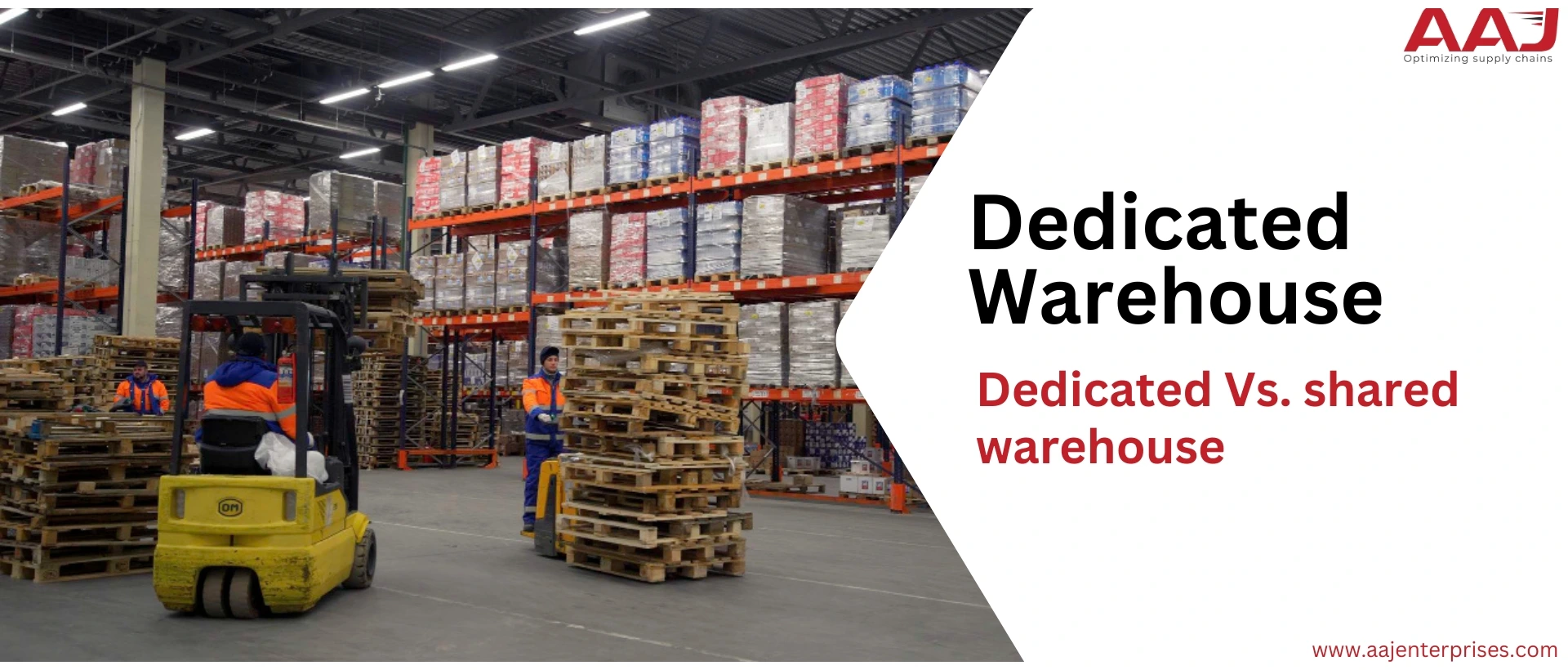

Warehousing is the keystone of any e-commerce business. It plays a vital role in the success of any business. Reliable and responsive warehousing can ensure timely order fulfillment and enhance customer satisfaction. There are various types of warehouses, such as public warehouses, private warehouses, and many more. Nowadays, shared warehouse or multi client warehousing options are increasingly popular.
In the next five years, retail, third-party logistics, and e-commerce will create 80% of the demand for Grade A warehouses. The total space needed is likely to reach 410 million square feet. Around 70% of this demand comes from cities like Delhi-NCR, Mumbai, Bengaluru, Chennai, and Pune.
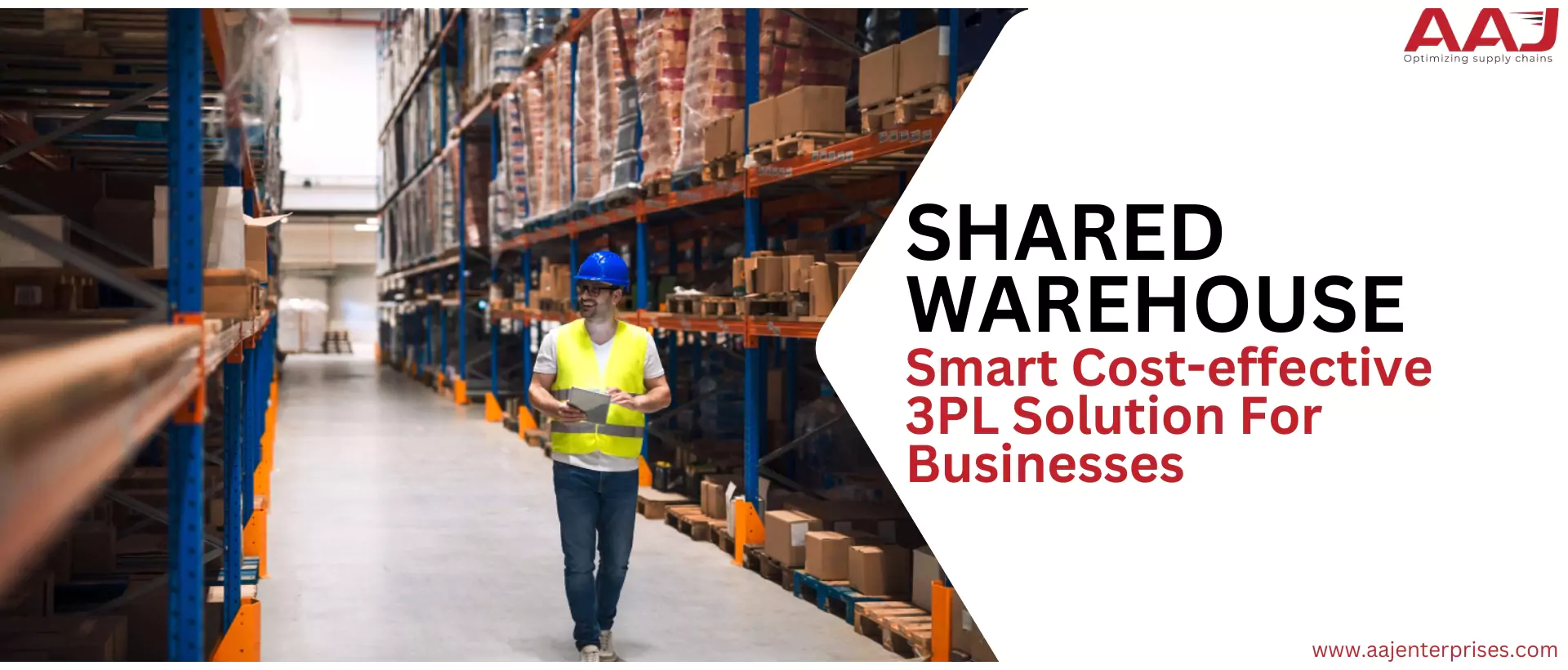
Here, multiple business owners share a common warehouse space to store their goods and products. This approach is helpful for small and medium businesses as the owner does not have to spend massive capital on building infrastructure, managing staff, or buying heavy equipment to move products inside the warehouse. Shared warehousing helps businesses save money and utilize the warehouse space according to the product demand in the market.
Conclusion
The demand for warehousing services is continuously evolving in India. India’s logistics industry was valued at around $200 billion in 2020 and is predicted to reach $380 billion by 2025. The Indian warehousing market is expected to reach $34.5 billion by 2027. Shared warehousing is a cost-effective logistic option for small and medium enterprises, startups, and e-commerce businesses. However, consider a few factors, such as the services offered, contract flexibility, and location, before forming a partnership with a shared warehouse solution provider.