
Order fulfillment is directly related to the efficiency with which a product business receives, stores, processes, and delivers orders. Any delays or errors at any point can impact inventory availability, delivery times, and customer experience.
The fulfillment process involves product movements from inventory receipt and storage through order processing, picking, packing, shipping, and returns. These activities can be carried out by the business or by providing external fulfillment depending on the volume of orders, the required items and other operational needs.
What Is Order Fulfillment?
Order fulfillment is the process of receiving and storing inventory, processing orders, picking and packing products, and coordinating their shipment to the intended customer or business buyer. The process can also include returns and putting eligible returned inventory back into stock.
The actual fulfillment process will depend on the business model. Typically, ecommerce fulfillment means a single customer order sent to a specific delivery address. There is often a higher volume of products shipped, faster delivery times or customizations required in B2B fulfillment. Retail fulfillment typically refers to the delivery of products from the warehouse to retail locations or distribution centers.
A company can handle fulfillment themselves by building a warehouse and a staff or opt for a third party provider. The aim is always the same: to process orders correctly, to dispatch these on time, and to provide the necessary products in an appropriate condition.
Why Is Order Fulfillment Important?
Order fulfillment involves more than just delivering a product. It impacts customer experience, inventory accuracy, warehouse efficiency, and the continuity of business operations.
Customer Experience
On-time and accurate fulfillment ensures the customer receives the product in the condition they ordered. Product selection, secure packaging, reliable delivery, tracking products in transit, and an easy returns policy are all part of the customer experience.
Operational Efficiency
An efficient fulfillment operation minimizes handling and eliminates any unnecessary delays between order receipt and dispatch. Having processes that are clear and information that is accurate also helps warehouse teams process orders in the same way as the volume of orders grows.
Inventory Control
Accurate inventory information is essential for fulfillment. When inventory and stock records match, companies can make the right allocation of goods and minimize issues like oversales, inventory differences, and orders being cancelled due to out-of-stock.
B2B Business Continuity
B2B buyers are frequently reliant on regular deliveries to ensure their own business processes continue. For instance, a vehicle component producer can delay a shipment, and a repair shop will end up without the parts required to finish a customer's repair. Fulfillment delays can impact manufacturing schedules, replenishment of stores, and customer promises for manufacturers, retailers, and distributors.
Ecommerce Expectations
Ecommerce customers rarely interact with the seller before delivery. This makes ecommerce fulfillment a key part of how they judge the business. Accurate orders, reliable delivery, clear tracking, and smooth returns build trust. This encourages repeat purchases.
Order Fulfillment Process in 3PL Warehouses
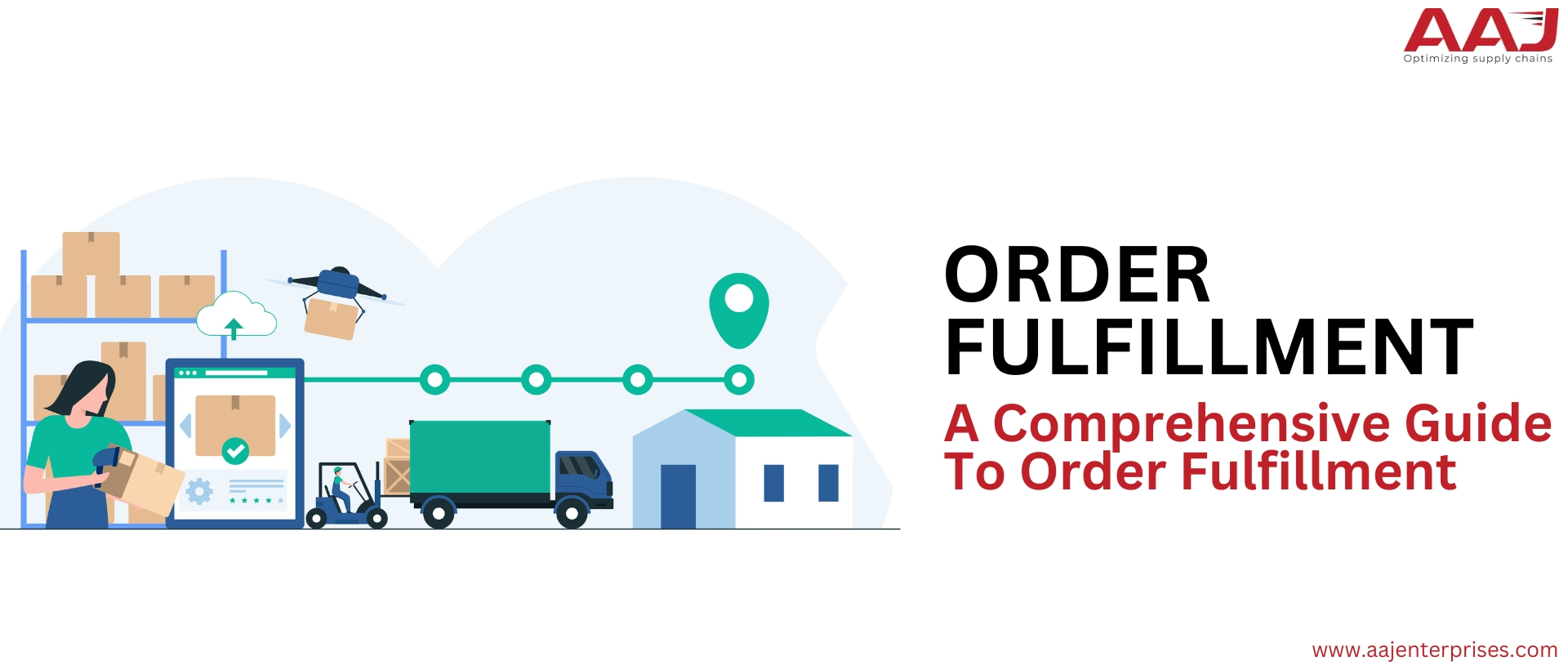
The order fulfillment process takes inventory from the warehouse receiving to the final customer or business buyer. The process is broken down into six steps, but the steps are different depending on the business, product and fulfillment arrangement.
1. Receiving and Checking Inventory
The fulfillment process begins when the product is received from a supplier or manufacturer. Warehouse staff verifies the quantity of the shipment and conditions of the product.
The team then records the accepted inventory and moves it to the appropriate storage area. Pallets, cartons, forklifts, pallet trucks, and other material-handling equipment support receiving based on the product type and shipment volume.
2. Inventory Storage and Management
Once received, the warehouse team will store the products in specific areas. The team must be able to locate each SKU when an order comes in, so there must be a clear location for each SKU.
Records of inventory show the number and whereabouts of stocks. Teams in the warehouse restock picking areas when stock levels are low. Where possible, fast moving products can be placed in easy-to-reach areas to minimise picking time.
3. Order Processing and Inventory Allocation
The business receives a customer or business buyer's order and verifies the order details and available inventory. The required stock is then allocated to the order, and the warehouse receives the instructions needed to pick it.
For complex order flows, order-processing systems can route orders according to inventory availability, destination, delivery requirements, and other business rules.
4. Picking
The warehouse team uses the pick list or digital picking instructions to locate and collect the required products. The SKU, storage location, and quantity guide the picker through the order.
Barcode scanning can verify the product and quantity during picking. This helps catch picking errors before the order reaches the packing stage.
5. Packing and Labelling
Packaging is determined by the product size and weight, fragility, protection needs, shipping method, and brand requirements by the packing team. Good packaging provides protection during handling and transportation.
The finished package is given the information needed to dispatch. This may be the delivery address, tracking number, barcode, carrier, and other necessary information.
6. Shipping and Delivery
Completed shipment is delivered to the chosen carrier or transport agent. Carrier selection takes into account shipment characteristics, service level, cost, destination and delivery deadline.
After dispatch, tracking information allows the business and customer to follow the shipment through the delivery network and last-mile delivery stage.
7. Returns Management
Returns form the final part of the fulfillment cycle. After a return request is approved, the product is collected or sent back to the fulfillment facility.
The returned item is received and inspected. Depending on the condition of the product, and the terms of the business, the product can be re-stocked, reconditioned, returned to the seller, recycled, or disposed of properly.
Types of Order Fulfillment Provider
There are usually three types of order fulfillment service providers. We are listing them below.
1. In-house Order Fulfillment
Here, the company manages the entire order fulfillment process by itself, i.e., receiving goods, packaging them, shipping them, and then delivering them to the customer. The advantage of in-house order fulfillment is that the company has complete control of the order fulfillment process. However, managing all the processes can be quite costly. The company has to spend a lot of time to complete the order fulfillment process correctly.
2. Outsourced Order Fulfillment
Outsourcing order fulfillment means the Company partners with an ecommerce fulfillment service provider.
The fulfillment and warehouse solutions provider will do the company's storage, order processing, and shipping work. It reduces the company's work burden and allows it to focus on core activities like product development. However, the company will have less control over the Fulfillment of orders.
3. Third-Party Logistics Providers
It handles all the order fulfillment processes and logistics services like inventory management, warehousing, and transportation. It is cost-effective for expanding the business. However, the company will have less control over order fulfillment and warehouse operations.
Order Fulfillment And Distribution - The Connection
Order fulfillment focuses only on processing, shipping, and delivering the products to the customer's doorstep.
However, the distribution center focuses on moving goods from the suppliers to the product fulfillment center and then to the customer's doorstep.
A distribution network refers to the movement of goods from supplier to customer. It includes all methods of B2B warehouse storage and B2B transportation of products to the supplier and customer. A business utilizing this network stores the products in the nearest fulfillment center so that they can be delivered to the customer at the correct time.
A proper distribution network helps the fulfillment process with faster delivery and low shipping rates. Last-mile delivery is the final stage of the order fulfillment process. When the products are available closer to the customer's address, it involves faster delivery. It even saves money. It's cheap to deliver products to a nearby location.
Let's discuss this with an example. Suppose a company is selling laptops online. The Company keeps laptops in various fulfillment centers across the country. When a customer places an order, the Company can ship from the nearby order fulfillment center. It makes the delivery of laptops faster, and customers can get their products on time.
Choosing the Right Order Fulfillment Company
Your products, order volume, channels, delivery needs, and growth plans should all match the right fulfillment company. When choosing a school, review these five areas to decide.
1. Service Capabilities
See if the provider has the capacity to work with your product type, order quantity, packaging needs, and return policy. Ensure that the activities covered are confirmed, including the receipt, storage, picking, packing, labelling, dispatch, and returns.
2. Technology and Integration
Verify the provider's order and inventory management practices. WMS/OMS integration, ecommerce and marketplace integration, visibility of inventory, barcode scanning, and shipment tracking are some of the useful features.
Inquire about the flow of data from your sales channels to the fulfillment operation. Poor integration can result in mismatches in inventory and delays in orders.
3. Warehouse and Distribution Network
Compare the sites of warehouses with your customer and business markets. A strategically located facility can minimize delivery distance and improve delivery coverage.
Don't choose a provider simply because it has more warehouses. See if it fits the delivery times, capacity, and carrier network that you need in your desired areas.
4. Pricing Transparency
Take the total fulfillment price instead of just the storage rate. Discuss fees for receiving, storage, picking and packing, packaging materials, shipping, returns, account management, and other services.
Request the provider to define what variable costs are and any minimum costs before entering into the contract.
5. Experience and Performance
Check the provider's experience in similar products and orders. Seek out relevant references and grasp the level of service they will provide.
Some of the measures that are useful are order accuracy, dispatch on time, inventory accuracy, return processing time, and response time for operational issues. This will help you make a better assessment of the provider than the reviews would.
Conclusion
Today, we live in a competitive world. Focusing only on sales will not meet customer expectations. Order fulfillment is the backbone of any B2B or B2C business. It covers everything from inventory storage to shipping and delivery of products.
Efficient product fulfillment can reduce costs and optimize a company's supply chain. If the fulfillment process is challenging, you can outsource it to third-party logistics services. It will reduce the business burden and allow us to focus on other activities like exploring new markets and product design and development.