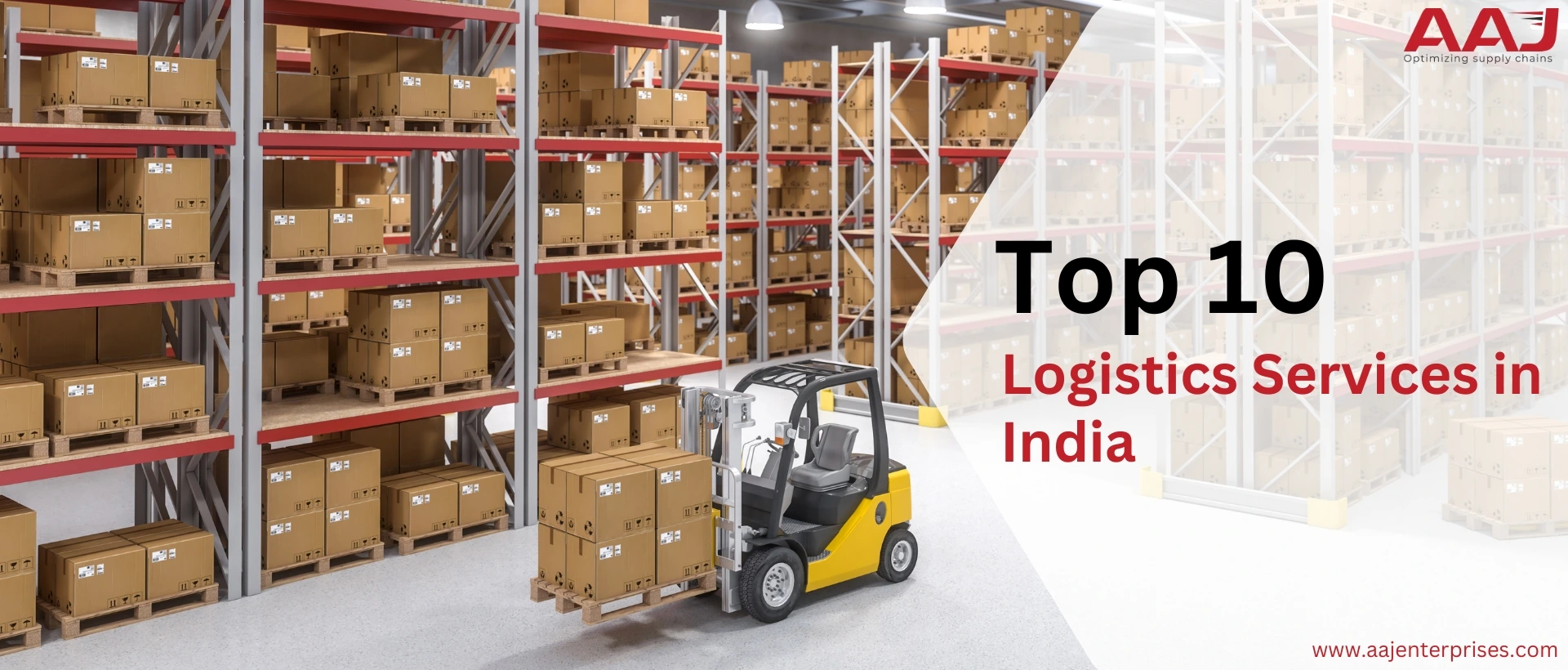
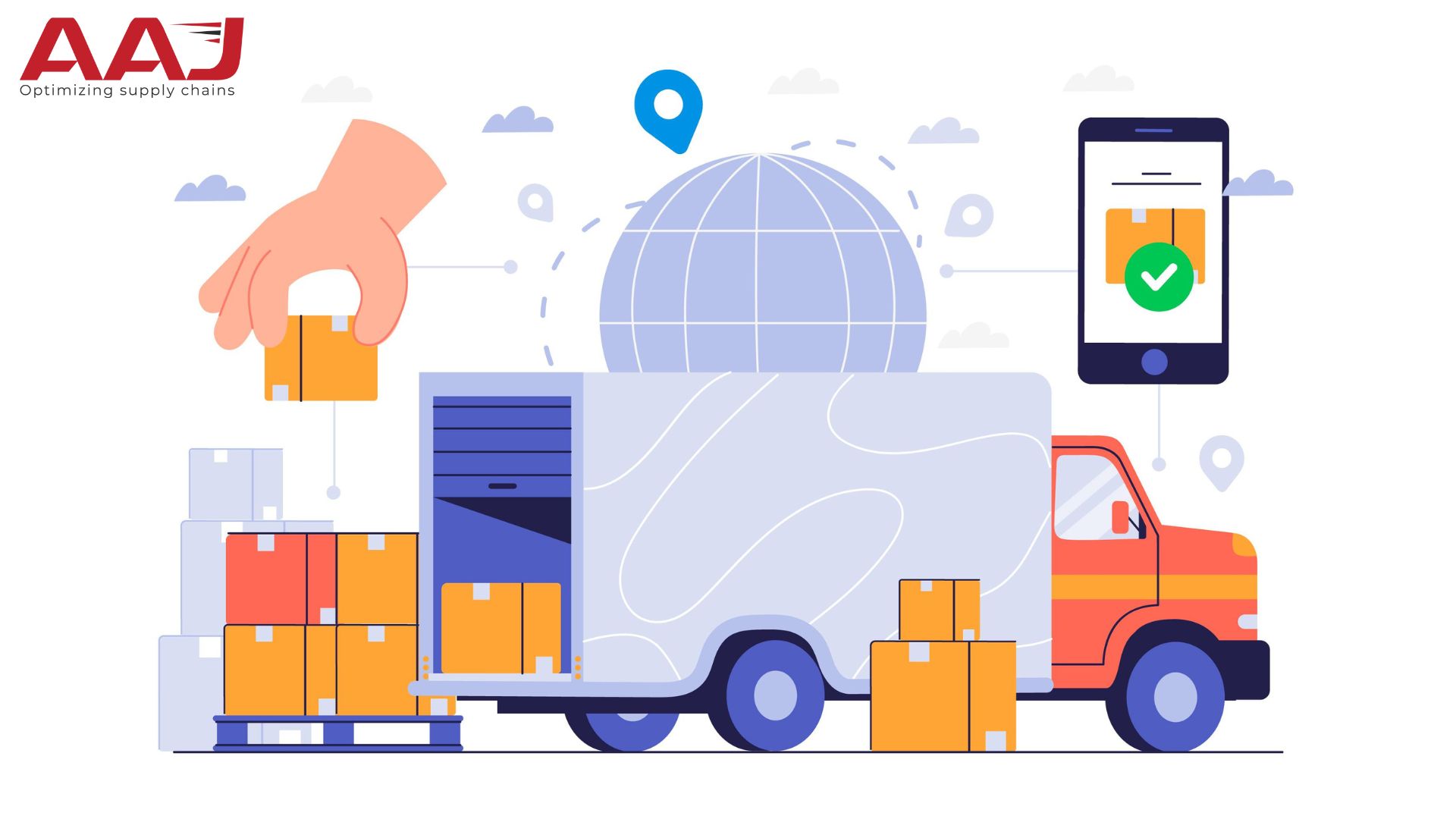

Logistics services are operational services that help businesses move, store, manage, and fulfill goods across the supply chain. Logistics involves the planning, implementing, and controlling the movement and storage of goods, services, and information from the point of origin to the point of consumption. It includes transportation, warehousing, inventory management, order fulfillment, and distribution. Logistics service providers may offer individual services such as transportation or warehousing, or integrated solutions through models such as 3PL. 4PL providers typically take a broader coordination and management role across multiple logistics providers and supply chain activities.
Logistics services handle inventory management by storing products in warehouses and fulfillment centers. Logistics ensures proper storage space is available to keep goods safe before delivery. Key activities under logistics services include transportation by road, rail, air, or sea freight. Logistics Providers also oversee order fulfillment by picking, packing and shipping products to customers accurately and on time. In addition to physical movement, logistics services provide inventory tracking, warehousing, distribution and reverse logistics for returned or damaged goods. Companies outsource these end-to-end logistics solutions to specialist providers rather than managing transportation, warehousing, and fulfillment themselves.
Different Types of Logistics Services
There are many different types of logistics services that companies can use. Here are the main logistics services:
Transportation Services:
Transportation means moving products from one place to another by road, rail, air, or ship. Transportation services include carrying full truckloads or partial loads. Sometimes a combination of road and rail transport is also used. The main purpose is to deliver goods on time from the supplier to the customer.
Warehousing Services:
Warehouse services provide space to store products safely before they are transported further. Key activities are receiving products at the warehouse, storing them properly, and then picking and packing orders to be shipped out. Warehousing service helps companies manage their product inventory well.
Cold Chain Logistics:
Cold Chain Logistics is a specialized service for products that need to be kept at a certain temperature, like food, medicines, and chemicals. Special temperature-controlled transportation and warehousing are used. Cold Chain Logistics service ensures the quality of these perishable products remains good throughout the whole supply chain journey.
Reverse Logistics:
When customers return defective, unwanted or old products, this service manages that return process. Reverse Logistics service reduces overall logistics costs for the company while also recovering some value from the returned items.
Value-Added Services:
Apart from just transportation and warehousing, logistics companies can provide some extra services like labeling products, kitting (putting items together), assembling products, and packaging. VAS customizes the logistics solution for each company's specific needs.
Cross-Docking Services:
Cross-Docking Services involve shipping products directly to the end consumer without storing them in the warehouse. Here's how it works: Suppose a warehouse company receives a product batch, but before unloading it, the business owners decide to ship this batch directly to the customers. In such a scenario, logistics companies can transfer the batch to their carrier and dispatch it to the end user, skipping the storage phase. This process is called Cross-Docking Services.
E-commerce Fulfillment:
E-commerce Fulfillment means making sure online orders get processed correctly and delivered to customers' homes. It includes tasks like picking items from the warehouse, packing them up, and sending them out for shipping. E-commerce order fulfillment also involves managing returns if customers need to send something back. So basically, it's all about getting orders ready and sent out smoothly when people buy things online.
Benefits of Outsourced Logistics Services
Here are some advantages and benefits that help companies save costs, work more efficiently, and focus better on their main business. The benefits of using logistics services are:
Cost Savings
Companies can save a lot of costs by outsourcing logistics activities to specialist service providers instead of managing it themselves. Logistics companies have economies of scale and expertise to keep costs optimized.
Improved Operational Efficiency
Logistics services help streamline the entire process of moving goods through the supply chain in an efficient manner. Outsourcing logistics improves productivity and reduces delays or bottlenecks.
Focus on Core Business
By handing over logistics to third-party providers, businesses can concentrate better on their main operations and objectives instead of getting tied up in transportation and inventory management.
Scalability and Flexibility:
Logistics requirements can vary. Service providers offer the flexibility to easily scale up or down logistics capabilities as per changing business needs.
Access to Technology
Top logistics companies invest in modern technologies like transportation management systems, warehouse management systems, tracking solutions, etc. Businesses get access to such tech advantages.
Expand Market Reach
With an established logistics network, companies can start selling products in new domestic or international markets much faster without major infrastructure investments.
Reliable Expert Services:
Logistics is the core competency of specialized third-party logistics providers. Businesses get reliable, efficient and compliant logistics services when outsourced.
Overall, leveraging logistics services enables businesses to reduce costs, increase operational efficiencies, and focus better on their revenue-generating activities.
How Logistics Services Impact Business Operations
Logistics services affect how businesses store, move and deliver products. Good logistics helps keep inventory available, process orders on time and maintain product condition. It also gives businesses better control over returns and day-to-day operations.
Inventory Availability
Logistics helps businesses position inventory based on demand. Stock can be moved to the locations where it is needed. This reduces the risk of stockouts and limits unnecessary inventory buildup.
Order Fulfillment
Efficient logistics supports the movement of orders from processing to dispatch. Picking, packing and transportation work together to keep orders moving. This helps reduce processing delays and improve delivery consistency.
Product Quality
Product condition can depend on how goods are stored and transported. Perishable products, pharmaceuticals and other sensitive goods often require temperature-controlled storage and transportation. Fragile products also need suitable handling throughout the logistics process.
Reverse Logistics
Logistics also covers what happens after a product is returned. Returned goods can be collected, inspected and sent for restocking, repair, refurbishment or recycling. A clear returns process helps businesses recover value from returned products.
Visibility
Tracking and inventory systems provide information about stock, shipments and delivery status. This gives businesses a clearer view of their operations. Teams can use this information to identify delays, check inventory and make better logistics decisions.
How to Choose a Logistics Service Provider
Choosing a logistics service provider affects your costs, inventory control and customer experience. Do not compare providers on price alone. Look at how well their services, systems and operations fit your business.
1. Service Coverage
Check whether the provider can serve the locations you need. Review their transportation network, warehouse locations and available transport modes. A provider with limited coverage can create extra handoffs and delays.
2. Service Capabilities
Check which logistics services are available. Depending on your business, you may need:
- Transportation
- Warehousing
- Order fulfillment
- Inventory management
- Reverse logistics
- Value-added services (VAS)
Choose a provider that can support your current requirements and any services you expect to add later.
3. Technology and Visibility
Technology should give you better control over your logistics operations. Check whether the provider uses systems such as:
- WMS for warehouse and inventory management
- TMS for transportation planning
- Shipment tracking for delivery visibility
- Inventory reporting for stock information
- System integrations where your business requires them
Ask what information you can access and how often it is updated.
4. Pricing Structure
Do not compare only the headline rate. Ask for a clear breakdown of all applicable charges, including:
- Storage
- Inbound handling
- Outbound handling
- Transportation
- Pick and pack
- Packaging
- Returns
- Value-added services
- Minimum commitments
- Seasonal charges, where applicable
The cheapest provider is not always the lowest-cost option once all charges are included.
5. Experience and Operational Capability
Look for experience with businesses similar to yours. Check whether the provider can handle your product type, order volume and operational requirements. Customer references and documented processes can also help you assess their capability.
6. Scalability
Your logistics requirements can change as your business grows. Check whether the provider can handle higher order volumes, seasonal peaks and changes in storage requirements without disrupting operations.
7. SLAs and Accountability
Service-level agreements (SLAs) define the performance standards you can expect from the provider. Review areas such as:
- Inventory accuracy
- Order processing time
- On-time delivery
- Damage and loss handling
- Reporting
- Issue escalation
Clear responsibilities make it easier to measure performance and resolve problems.
8. Customer Support
Good support matters when shipments are delayed, inventory does not match records or another operational issue occurs. Check how the provider handles queries and escalations. A clear point of contact can make issue resolution easier.
Before choosing a provider, compare its services, operating processes and total cost against your actual requirements. The right logistics partner should be able to meet your current needs without creating problems as your operations change.
When Should a Business Outsource Logistics Services?
Not every business needs to outsource logistics. For some companies, managing logistics in-house works well. For others, outsourcing becomes a practical option as operations grow more complex.
A business can consider outsourcing logistics services when:
- Logistics operations are becoming difficult to manage internally.
- Order or shipment volumes change significantly throughout the year.
- The business is expanding into new markets or regions.
- Storage and warehouse requirements continue to increase.
- Multiple sales channels need inventory and fulfillment support.
- The business requires logistics technology or specialized expertise.
- Management wants to focus more on core business activities rather than logistics operations.
Outsourcing a 3PL company does not mean giving up control of logistics. The goal is to use the provider's infrastructure, systems and operational expertise to support business requirements more efficiently.
The right decision depends on factors such as order volume, inventory requirements, service expectations and available internal resources. Businesses should compare the cost, complexity and operational demands of managing logistics in-house against the capabilities offered by a logistics service provider.