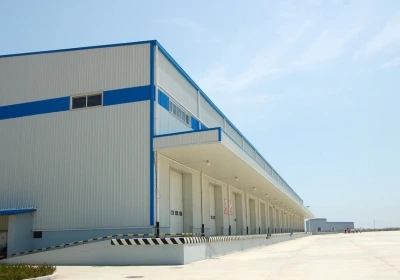

India’s warehousing industry has changed significantly over the last decade. With the rapid growth of ecommerce, expansion of manufacturing into multiple regions, and rising expectations for faster deliveries, warehousing is no longer just about storing goods. It has become a core part of how businesses manage inventory, control costs, and serve customers efficiently.
As a result, warehousing companies in India now operate at very different scales and capability levels. While many providers appear similar on the surface, their actual performance can vary widely based on location strategy, technology adoption, operational processes, and scalability.
When businesses search for the best warehousing companies in India, they often find generic lists that mention popular names but offer little clarity on how these companies differ in real-world operations. This guide takes a practical approach. Instead of focusing only on brand names, it helps businesses understand the warehousing landscape in India and evaluate providers based on operational fit, technology readiness, inventory type, and long-term growth needs.
Warehouse Industry Trends & Market Size in India
Warehousing has become a key supply chain element that organisations depend on to operate their businesses. The rise of ecommerce and direct-to-consumer brands has created a greater need for warehousing services in India, which now serve metropolitan areas and both tier two and tier three regions. Companies have started building storage facilities closer to their clients because this strategy enables them to achieve faster shipments while reducing shipping expenses.
Organised warehousing operations have received support for growth through government programs such as GST, Make in India, and PM Gati Shakti. Companies began consolidating their storage operations after the GST implementation by using large warehouses instead of multiple small facilities, thereby improving operational efficiency and inventory management.
The warehousing sector is currently attracting increasing interest from major investors and industrial real estate developers. Modern Grade A warehouses, with improved safety standards, stronger compliance, and enhanced infrastructure, are beginning to replace traditional storage spaces. The Indian market is seeing rising demand for professional warehousing services as supply chains adopt better organisational structures.
The Different Types of Warehousing Services Available in India
Indian warehousing operations today extend beyond their original purpose of storing products. Businesses use different types of warehousing services based on their inventory quantity, product type, order processing requirements, and upcoming business development plans. Indian businesses can enhance their inventory management systems and reduce storage expenses by selecting appropriate warehouse providers.
Dedicated warehousing
Dedicated warehousing is primarily used by large companies and manufacturing plants that require exclusive access to their storage facilities. The dedicated warehouse model provides dedicated storage space to a single organization. This method enables companies to handle their inventory throughout their operations while keeping their facilities secure from unauthorized access. Dedicated warehouses work best for businesses that maintain consistent inventory levels and require extended storage periods.
Shared warehouse
Shared warehousing is the primary storage solution for both small businesses and ecommerce platforms. Multiple companies utilize the same warehouse space under this model, while paying only for the specific areas and services they use. This system reduces permanent expenses while enabling businesses to adjust storage capacity to their current requirements.
3PL Warehouse
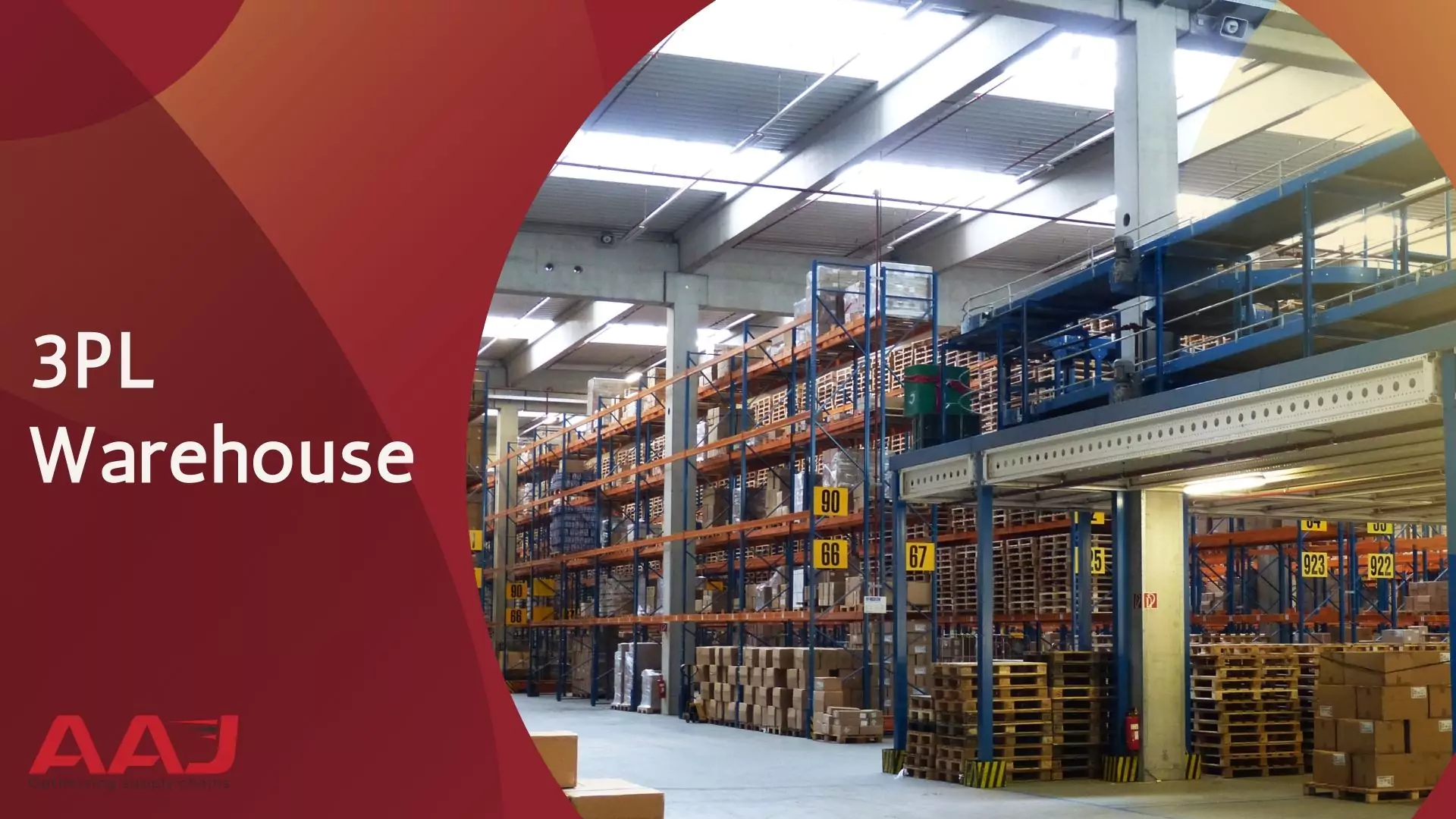
Third-party logistics (3PL) warehousing provides storage solutions, along with inventory management, order processing, packaging, and transportation services. The majority of warehousing companies in India function as 3PL service providers. Outsourcing a 3PL warehouse enables companies to focus on business development while handing over their daily logistics responsibilities.
Cold Storage Warehouse
Temperature-controlled and cold storage facilities are necessary to store products such as medicines, food, dairy products, and agricultural commodities. The warehouses operate at predetermined temperature and humidity settings to protect products, thereby extending their shelf life.
Bonded warehouse
Imported products are primarily stored in bonded warehouses. Customs duty is delayed until the products leave the bonded warehouses to enter the market. This solution helps businesses maintain cash flow until domestic sales of their products begin.
Types Of Warehousing Companies In India
There are various types of warehousing companies in India.
- Asset-Based Warehousing Companies: These companies own or lease their warehouses.
- Aggregator & Marketplace LED Warehouse Networks: These companies connect businesses with third-party warehouse space.
- 3PL Warehousing Companies: These companies manage storage, transportation, order fulfillment services, and inventory management.
- Regional vs. Pan-India Warehouse Operators: Regional operators are cost-effective options for a business. But they have limited reach. Pan-India operators provide nationwide coverage and are ideal for growing businesses.
Top 10 Warehousing Companies In India
This list includes a mix of enterprise logistics & warehousing companies, fulfillment specialists, aggregators, and integrated 3PL operators. Service capabilities may vary by location, industry, and business requirements. The information below is intended to help businesses compare providers based on operational fit rather than ranking superiority.
1. Mahindra Logistics
Company type: Enterprise-grade asset-heavy logistics & warehousing provider
Best suited for: Large enterprises, automotive, manufacturing, and industrial supply chains
Network strength: Over 22 million sq. ft. of warehousing space across India
Core warehousing capabilities: Large-scale storage, inbound logistics, plant logistics, distribution warehousing, and value-added services.
Technology & systems: Advanced WMS, TMS, and digital visibility tools.
Key strengths: Deep enterprise experience, compliance-driven operations, and high process maturity.
Limitations to consider: Cost structure may be higher for small or early-stage businesses.
Typical use cases: Automotive supply chains, FMCG distribution, and enterprise warehousing.
2. Warehousing Now
Company type: Aggregator-led warehousing marketplace
Best suited for: Startups, traders, importers/exporters, and businesses needing short-term storage
Network strength: Presence in 150+ cities across India
Core warehousing capabilities: On-demand warehousing access, flexible contracts, and regional storage options.
Technology & systems: Digital platform for space discovery and booking; limited operational tech control.
Key strengths: High scalability and flexibility without long-term commitments.
Limitations to consider: Service quality and infrastructure depend on third-party warehouse partners.
Typical use cases: Temporary storage, seasonal inventory, and short-term distribution hubs.
3. AAJ Supply Management
Company type: Asset-backed 3PL warehousing & logistics provider
Best suited for: SMEs, growing ecommerce brands, D2C companies, and B2B distributors
Network strength: Warehouses across Delhi NCR, Bangalore, Hyderabad, Kolkata, Bhiwandi, Sonipat, Kundli, and other strategic locations
Core warehousing capabilities: End-to-end warehousing, inventory management, B2B & B2C fulfillment, transportation, returns processing, and value-added services such as labeling and packaging.
Technology & systems: Uses WMS and TMS platforms for inventory visibility, order tracking, and movement coordination.
Key strengths: Strong operational control, flexible storage models, and integrated transportation support.
Limitations to consider: Operational standardisation may vary slightly across regions due to multi-location operations.
Typical use cases: ecommerce fulfillment, regional distribution, and integrated B2B logistics.
4. Shiprocket Fulfillment
Company type: Technology-led ecommerce fulfillment provider
Best suited for: Small to mid-sized ecommerce sellers and D2C brands
Network strength: Fulfillment centres across major metros including Delhi NCR, Mumbai, Bengaluru, Kolkata, and Chennai
Core warehousing capabilities: Inventory storage, order processing, last-mile shipping integration.
Technology & systems: Strong platform-based inventory and shipping management tools.
Key strengths: Seamless integration with ecommerce marketplaces and courier networks.
Limitations to consider: Limited suitability for non-ecommerce or industrial storage; no specialised cold-chain.
Typical use cases: ecommerce order fulfillment and D2C shipping.
5. Quickshift
Company type: ecommerce-focused fulfillment & 3PL provider
Best suited for: Small and mid-sized D2C and omnichannel brands
Network strength: Warehouses across Mumbai, Bengaluru, Pune, Kolkata, Chandigarh, and other regions
Core warehousing capabilities: Order fulfillment, inventory management, reverse logistics, and omnichannel support.
Technology & systems: Order and inventory automation with marketplace integrations.
Key strengths: Fast turnaround times and strong ecommerce process alignment.
Limitations to consider: Not designed for heavy industrial or bulk commodity storage.
Typical use cases: Fast-moving ecommerce and D2C fulfillment.
6. TVS Supply Chain Logistics
Company type: Enterprise 3PL & integrated supply chain provider
Best suited for: Medium to large enterprises across multiple industries
Network strength: Pan-India presence across NCR, Mumbai, Chennai, Bengaluru, Hyderabad
Core warehousing capabilities: Warehousing, transportation, last-mile delivery, and value-added services.
Technology & systems: Enterprise-grade logistics technology platforms.
Key strengths: End-to-end supply chain coverage and sector-specific expertise.
Limitations to consider: Higher cost structure for small businesses.
Typical use cases: Retail distribution, automotive, healthcare, and technology logistics.
7. Prozo
Company type: Hybrid asset-light warehousing & fulfillment provider
Best suited for: SMEs, D2C brands, and fast-scaling businesses
Network strength: 40+ warehouses across NCR, Bengaluru, Hyderabad, Chennai
Core warehousing capabilities: Shared, dedicated, and on-demand warehousing models.
Technology & systems: Centralised platform for inventory and order visibility.
Key strengths: Flexible warehousing formats and strong tech orientation.
Limitations to consider: Best aligned with ecommerce and D2C models.
Typical use cases: D2C fulfillment, quick commerce, and scalable storage.
8. Holisol Logistics
Company type: Omnichannel warehousing & logistics provider
Best suited for: Medium to large D2C, retail, fashion, and lifestyle brands
Network strength: 25+ fulfillment centres across India
Core warehousing capabilities: Warehousing, reverse logistics, customised packaging, and returns management.
Technology & systems: Integrated logistics platforms with omnichannel focus.
Key strengths: Strong returns and urban fulfillment capabilities.
Limitations to consider: May be cost-intensive for early-stage startups.
Typical use cases: Omnichannel retail and urban distribution.
9. Emiza
Company type: ecommerce and D2C fulfillment specialist
Best suited for: Growing D2C and ecommerce brands
Network strength: 20+ fulfillment centres across India
Core warehousing capabilities: Inventory storage, order fulfillment, and returns processing.
Technology & systems: Order and inventory automation tools.
Key strengths: Scalable fulfillment operations for D2C brands.
Limitations to consider: Primarily ecommerce-focused; limited industrial warehousing.
Typical use cases: D2C and ecommerce fulfillment.
10. Warehousing Express
Company type: Asset-light warehousing & distribution provider
Best suited for: Small to mid-sized businesses
Network strength: Warehouses across 20+ Indian cities
Core warehousing capabilities: Storage, inventory handling, and distribution support.
Technology & systems: Basic warehouse management systems.
Key strengths: Wide city coverage and flexible entry.
Limitations to consider: Operational consistency varies by location.
Typical use cases: Regional fulfillment and inventory storage.
Comparison of Top Warehouse Companies in India
| Company | Ideal Business Size | Primary Model | Network Reach | Tech Maturity | Best Use Cases |
|---|---|---|---|---|---|
| Mahindra Logistics | Large enterprises | Asset-heavy 3PL | Pan-India | High | Automotive, FMCG, enterprise distribution |
| Warehousing Now | Startups & SMEs | Aggregator marketplace | 150+ cities | Medium | Short-term storage, flexible warehousing |
| AAJ Supply Management | SMEs & growing brands | Asset-backed 3PL | Multi-city India | Medium–High | ecommerce, B2B distribution |
| Shiprocket Fulfillment | Small–mid ecommerce brands | Fulfillment platform | Metro-focused | High | D2C & marketplace fulfillment |
| Quickshift | D2C & omnichannel brands | Fulfillment + 3PL | Multi-city | Medium–High | Fast ecommerce fulfillment |
| TVS Supply Chain Logistics | Medium–large enterprises | Integrated 3PL | Pan-India | High | End-to-end supply chain |
| Prozo | Scaling businesses | Hybrid warehousing | 40+ warehouses | High | D2C, quick commerce |
| Holisol Logistics | Mid–large brands | Omnichannel 3PL | Pan-India | Medium–High | Retail & urban fulfillment |
| Emiza | D2C & ecommerce brands | Fulfillment specialist | Multi-city | Medium | ecommerce fulfillment |
| Warehousing Express | Small–mid businesses | Asset-light storage | 20+ cities | Basic | Regional warehousing |
What Business Should Evaluate Before Choosing A Warehousing Company In India?
There are various warehousing companies in India. But all of them do not provide the same services. The business needs to consider a few factors while choosing a warehousing company in India.
- Warehouse Location Strategy: The business should choose a warehouse closer to ports, railways, or highways to transport goods seamlessly to its destination.
- Technology Capabilities: The business should choose a warehouse Company in India that uses advanced technology like WMS, AI, and robotics. Advanced software and technology will improve order fulfillment processes and reduce errors.
- Compliance, Safety & Audit Readiness: The business should choose a warehouse Company in India that follows fire safety norms and industry regulations.
- Pricing Structure: The warehousing company in India should provide the business with a transparent pricing structure. There should be no hidden fees for handling returns or for extra product volume.
Questions Businesses Should Ask Before Finalising a Warehousing Partner
Choosing a warehousing company in India is a long-term operational decision. Once inventory and order flows are integrated, changing partners can be costly and disruptive. Asking the right questions before onboarding helps businesses avoid operational issues later.
1. How is inventory tracked and updated?
Is inventory visibility available in real time through a warehouse management system, or does the team rely on manual or periodic updates?
2. Can the warehouse handle sudden volume spikes?
What processes are in place during festive seasons, sales campaigns, or unexpected demand surges?
3. What technology systems are used?
Does the warehouse operate with a WMS, barcode scanning, and automated reporting? Can it integrate with your ecommerce platform, ERP, or order management system?
4. How are damages, shortages, and returns handled?
Is there a defined process for damaged goods, inventory discrepancies, and customer returns, along with proper documentation?
5. What compliance and safety standards are followed?
Are fire safety norms, insurance coverage, labour compliance, and audit readiness clearly documented and regularly reviewed?
6. How transparent is the pricing structure?
Are storage, handling, returns, and value-added services clearly priced, or are there additional operational charges that appear later?
7. What level of reporting and visibility will you receive?
Will you receive regular reports on inventory accuracy, order turnaround time, and service performance?
Clear answers to these questions help businesses select warehousing partners that can support both current operations and future growth.
Common Mistakes Businesses Make When Selecting Warehouse Companies In India
Many businesses make mistakes while selecting a warehouse company in India. Some of the mistakes are listed below.
1. Price
Most of the businesses choose warehouse services in India that offer lower prices. But low-cost warehouses use manual methods to manage inventory. They even deliver products late to the customers.
2. Underestimating Volume Spikes
Many businesses do not check scalability features while choosing a warehouse company in India. They cannot handle high-order volumes during peak seasons or holidays.
3. Not Checking Technology
Many businesses do not check technology access when partnering with the warehouse company in India. It can lead to errors or may delay the order fulfillment process.
Warehouse Automation & Technology Trends in India
Indian warehouse operations are becoming more efficient as technological solutions are increasingly adopted. Digital tools and automation systems have become essential for businesses seeking greater accuracy and faster operations while achieving complete warehouse visibility.
Warehouse Management Systems (WMS) serve as the primary system for businesses to monitor their stock levels throughout the day while managing incoming and outgoing shipments and reducing operational errors. A good WMS system enables businesses to maintain precise inventory records while enhancing their order fulfillment capabilities.
The use of automation tools, including barcode scanning and RFID, conveyor belts, and automatic sorting systems, has become more widespread. The equipment helps businesses reduce their need for human resources while enhancing operational efficiency throughout the day.
Indian warehousing companies employ data analytics and reporting systems to enhance space allocation, picking performance, and prediction accuracy for customer demand. Indian warehouses are gradually adopting automation technology, which currently applies only to large-scale operations through advanced robotics systems.
The rise in customer demand for rapid-delivery services that require precise performance has made technology-enabled warehousing vital for businesses selecting warehousing partners in India.
Warehousing vs. Fulfillment vs. 3PL: Understanding the Difference
Business operations require understanding the different supply chain functions, for which organisations use warehouses, fulfillment centers, and third-party logistics interchangeably. The two functions maintain distinct operational functions that control supply chain functions. Understanding this distinction enables businesses to select the appropriate service model, helping them avoid overspending and resource waste.
Warehousing is a system that handles the storage of products. A warehousing company in India provides space to store inventory safely and may offer basic services such as loading, unloading, and inventory counting. The model serves as the standard practice for manufacturers, wholesalers, and companies that maintain constant inventory levels. Businesses that sell products based on customer orders use fulfillment to support their operations, which include their online shops and direct-to-consumer brands.
A fulfillment center handles order picking, packing, shipping, and returns management. The operational model requires organisations to process orders throughout the day while handling substantial order volumes, which depend on their speed, precision, and ability to work with other systems.
Third-Party Logistics (3PL) provides businesses with both warehousing solutions and operational support, including transportation services, inventory control, order fulfillment, and reverse shipping. A 3PL provider handles most of the supply chain management responsibilities, enabling companies to delegate their logistics work while they concentrate on selling, product innovation, and business growth.
Selecting warehousing, fulfillment, or 3PL services requires businesses to evaluate their order patterns and sales methods, their geographical distribution, and their current business development stage.
Final Thoughts
Warehousing in India has evolved far beyond basic storage. Today, warehousing companies directly influence inventory accuracy, delivery speed, customer experience, and overall cost efficiency. From order processing and packaging to returns management and transportation coordination, the right warehousing partner plays a critical role in business performance.
Instead of selecting a provider based only on pricing or brand recognition, businesses should focus on operational capability, technology adoption, scalability, and location strategy. A well-aligned warehousing partner supports long-term growth, while the wrong choice can quickly become an operational bottleneck.
Taking the time to evaluate warehousing companies carefully helps businesses build a supply chain that is reliable, flexible, and ready to scale.