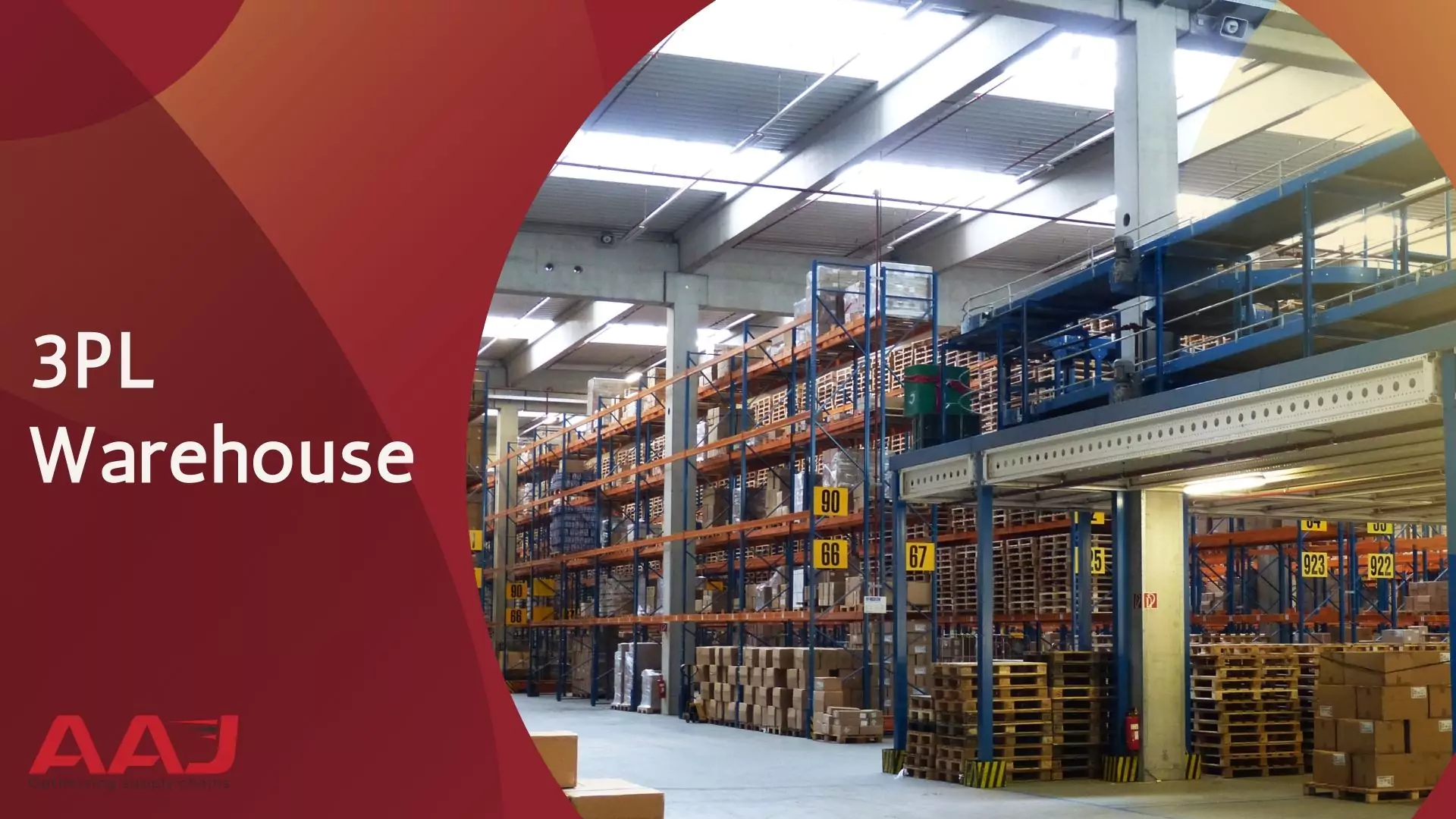

When businesses grow, keeping in-house warehouse, inventory, transportation and order fulfilment management operations can get more complex. Internal logistics can be under pressure due to increased order volumes, seasonal demand, several sales channels and increasing customer expectations.
This is where a 3PL warehouse can come in handy.
Third-party logistics is a way of outsourcing certain or the entire logistics function to a third party. Businesses can tap into an existing logistics network and experience without the heavy expenditure of warehouse, technology, manpower and logistics infrastructure.
Now what is a 3PL warehouse?
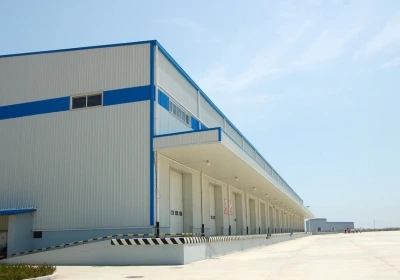
The 3PL warehouse (Third Party Logistics warehouse) is a 3PL (Third Party Logistics) warehouse which stores, manages and processes inventory for a business.
A 3PL provider can be tasked with anything from:
- Inventory receiving and storage
- Inventory management
- Order picking and packing
- B2B and B2C fulfilment
- Transportation and distribution
- Returns management
- Kitting and value-added services
The main purpose of 3PL warehousing is to ease the complexity of logistics operations for businesses, so they can concentrate more on their main business.
In addition to offering access to trained staff, expertise and technology, 3PL warehousing can also offer growing businesses the opportunity to access warehouse space without having to spend time and resources building and maintaining all of that on their own.
1PL vs 2PL vs 3PL vs 4PL
Various logistics models can be adopted based on the extent of the business' internal control of the supply chain and its reliance on outsourcing.
| Factor | 1PL | 2PL | 3PL | 4PL |
|---|---|---|---|---|
Primary responsibility | Managed internally | Transportation-focused | Logistics execution | End-to-end supply chain management |
Typical services | Own logistics operations | Transportation | Storage, fulfilment, transportation, distribution | Supply chain strategy, integration and coordination |
Control over operations | High | Moderate | Lower | Lowest |
Outsourcing level | Low | Moderate | High | Very high |
Typical complexity | Low | Moderate | High | Very high |
For businesses seeking to outsource the execution of everyday logistics functions, a 3PL model is well suited to their needs, as it allows them to maintain strategic oversight of their business and supply chain goals.
How Does a 3PL Warehouse Work?
Of course, the process of a 3PL warehouse will differ depending on the provider and the specific needs of the business, but here are the steps of a typical 3PL warehouse process.
1. Receiving Inventory
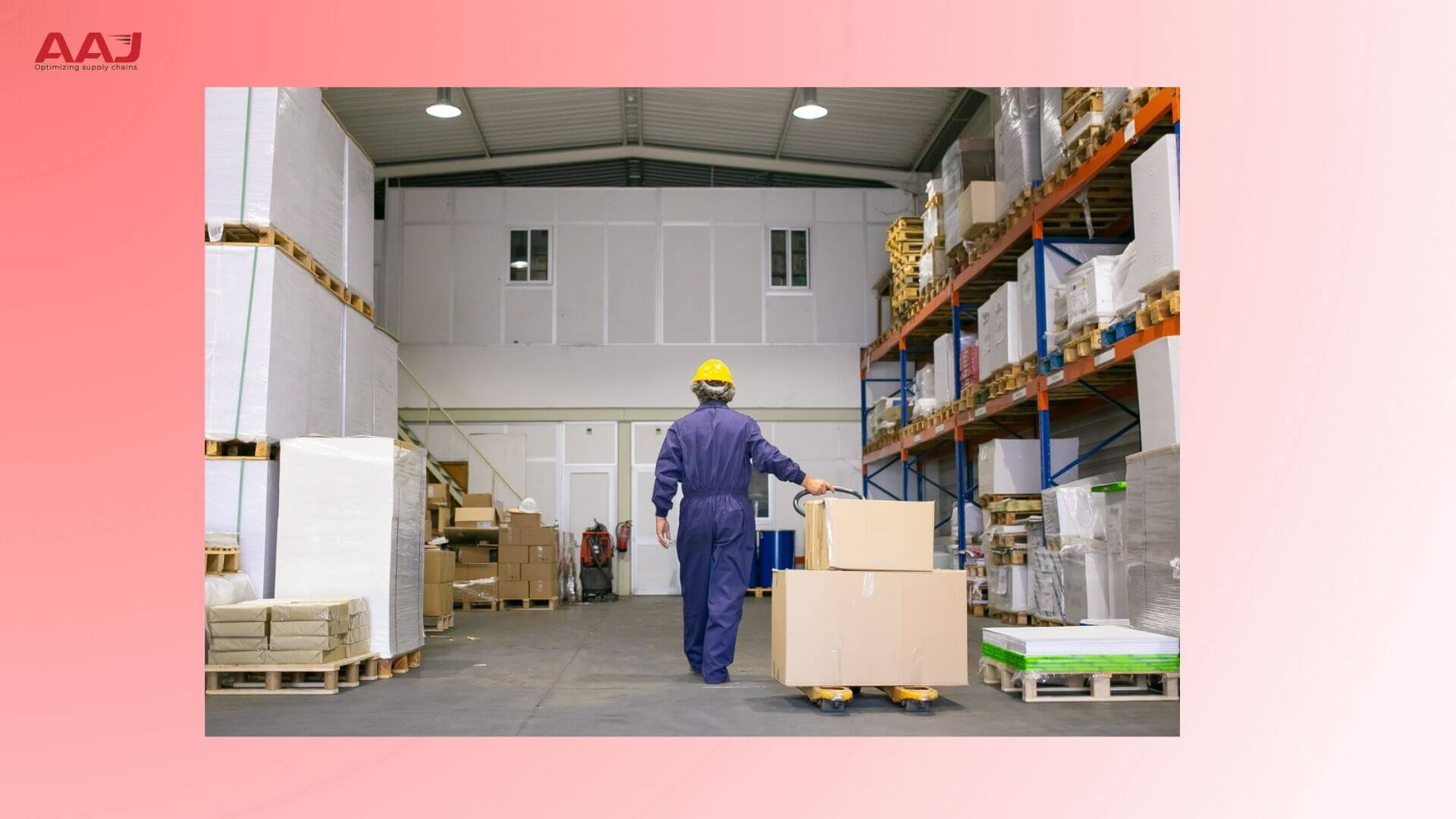
Upon receipt of goods at the warehouse, the 3PL team receives the shipment and checks to verify the goods against the purchase order, transfer document or inbound instructions. Products are checked for quantity and condition and identified before being recorded in the inventory system.
2. Storage and Putaway
Goods received are sorted into appropriate storage areas according to product specifications, requirements in the warehouse and the nature of the product.
The right storage and put away optimises use of space and ensure products are easily found and accessed.
3. Inventory Management
The 3PL vendor monitors goods in and out of the warehouse.
An operation implemented with technology can give information on updated stock levels, product locations, inbound receipts, outbound orders and other inventory activities. Sometimes, this visibility proves beneficial for businesses to reduce the chances of inventory discrepancies and enhance the replenishment planning.
4. Order Fulfilment
Once a customer places an order, the warehouse team will handle the fulfilment process.
This generally includes:
Picking → Checking → Packing → Labelling → Dispatch
Depending on the 3PL business model, 3PLs can help with both B2C ecommerce fulfilment and B2B bulk order fulfilment.
5. Distribution and Transportation
Once orders are packed they are then sent via the relevant transport channel.
A 3PL may oversee carriers, the shipment, tracking and delivery paperwork to facilitate multi-location distribution.
6. Returns Management
If the business is involved in product returns, the 3PL can also be responsible for reverse logistics activities. Products can be returned, inspected, sorted and restocked, repaired, repacked or sent to the next process destination.
What Services do 3PL Warehouse Companies Provide?
One of the significant benefits of using a 3PL provider is that companies can customize their logistics requirements into one operation.
Storage Solutions
The 3PL warehouses offer a flexible size for various inventory needs. It can be anything, such as general storage, specific storage, short or long term warehousing, depending on the facility and product type.
Inventory Management
3PL firms take care of the inventory's movement and status in the warehouse. With WMS supported operations, there is enhanced visibility into stock level, stock location and stock transactions.
Order Fulfilment
Whether it's picking and packing or dispatch, 3PLs can oversee the entire order fulfilment process. This is especially useful for ecommerce companies that have a large number of orders.
B2B Fulfilment and Distribution
The 3PL warehouses might also be able to handle bulk orders, replenishment orders for retail customers, distributors' orders and other B2B order sizes and fulfilment processes that are unique to each customer.
Transportation and Shipping
Many of the 3PLs arrange transportation and carrier networks to transport goods from warehouse facilities to their final destinations.
Returns Management
Reverse logistics can go hand in hand with the fulfilment process and provide a more organised strategy for product returns and exchanges.
Packaging and Labelling
3PLs can also provide typical or customized packaging/labeling services as per the product, customer and brand needs.
Kitting and Assembly
Some operations also offer kitting, bundling and light assembly services, which are when multiple products must be bundled together into a single sellable product or order.
What Does 3PL Warehousing Cost?
3PL warehousing does not have a set price. It is dependent on the services used and the complexity of the operation.
Some common pricing determinants are:
Storage Space
The cost of business can be calculated by the amount of space or capacity used in the warehouse to store their goods.
Inventory Volume and Handling
This could impact on the overall cost and may be dependent on the quantity of units, pallets, cartons or orders received, depending on the situation, for receiving and fulfilment activities.
Transportation
Transportation costs vary based on shipment size, shipping destinations, carrier needs and service chosen.
Value-Added Services
Other value added activities like custom packaging, kitting, labelling, process returns and special handling might have separate charges.
When considering 3PL contracts, companies should ensure they know all the prices and minimum charges, handling fees and other service fees.
What's the advantage of outsourcing to a 3PL Warehouse?
1. Lower Infrastructure Investment
It takes a lot of capital to establish an in-house warehousing system. Establishing an in-house warehousing system involves huge investments in space, equipment, technology, security and manpower.
In a 3PL model, a business can leverage its current logistics network rather than building all logistics capabilities.
2. Improved Cost Efficiency
There are a number of fixed operating costs which can be cut by outsourcing as the business can share warehouse facilities and logistics resources with a specialised provider.
But the cost savings will rely on the size, complexity and business model of the operation.
3. Scalability
Demands are not always the same in the year. There can be a seasonal increase or decrease in order quantity, or a sudden surge in orders.
A third party logistics company can provide more scalability in the warehouse space and manpower for fulfilment operations, without having to continuously expand the in-house infrastructure.
4. Technology and Skills Access
3PL providers can provide specialized logistics expertise, warehouse processes and technology including Warehouse Management Systems (WMS), inventory management and reporting operational data.
This enables companies to take advantage of systems that they already have without building their own.
5. Faster and More Consistent Fulfilment
Businesses can have consistent orders processed with standardized warehouse processes, trained staff and defined fulfilment processes.
Improvised fulfilment performance can directly impact delivery reliability and customer experience.
6. Concentrate on core business activities.
Running a warehouse involves constant monitoring of stock, employees, equipment, upkeep, receiving, dispatch and compliance.
These tasks can be delegated to free up time for internal teams to focus on product development, sales, marketing and customer experience and business growth.
7. Better Support During Market Expansion
Companies that are new to a city, region or sales channel, may not wish to make large scale infrastructure investments upfront.
Depending on the provider's network and capabilities, a 3PL network may offer a more flexible option to expand distribution coverage.
How 3PL Warehousing Can Improve Customer Satisfaction
Logistics is not only an operational function; it directly affects the customer experience.
Satisfaction can be lost with late delivery, order misfills, damaged products and lack of visibility. The right 3PL service can help solve these problems with improved processes, technology and more.
Rapid and reliable service
A streamlined fulfilment process and effective distribution and transportation coordination can assist businesses in a more precise order processing and delivery.
In ecommerce, shipping time can impact customer expectations, repeat purchases and brand experience.
Better Order Accuracy
A defined picking, checking and packing procedure can minimise picking and packing mistakes and ensure that the correct item is delivered to the correct customer.
Shipment Visibility
Using technology in 3PL operations can deliver shipment and inventory data that aids in order tracking and answering customer queries.
Efficient Returns
A good returns policy allows for more streamlined return of products, making it easier to receive, check and process returns, which, in turn, leads to a better post-purchase experience.
Challenges of Using a 3PL Warehouse
While there are a number of benefits to outsourcing, there are also some things to think about.
Reduced Direct Control
If the warehouse functions as an external entity, the business will not be in direct control of the on-going activities in the warehouse.
Service-level agreements, well-defined processes and clear performance metrics are important.
Communication and Data visibility.
If the business and its third party logistics provider do not communicate well, it's possible that the business will have inventory inaccuracies, fulfilment issues and slow decision making.
For maintaining visibility, it is important to integrate technology and to have well-established reporting procedures.
Additional or Variable Costs
Some 3PL contracts might also contain extra fees for the storage change, special handling, returns, custom packaging or others.
How to Choose the Right 3PL Warehouse Partner
When selecting the best 3PL warehouse provider, look for the following key qualities:
The selection of a 3PL provider is more that just a warehouse price comparison.
1. Location and Network
Review the warehouse locations and their ability to provide service to your primary customer and distribution bases.
The strategic placement of a network can impact transportation costs and delivery times.
2. Services and Capabilities
Ensure that the provider is able to meet the actual needs of your business, such as storage, fulfillment, B2B distribution, returns, kitting, special handling and transportation.
3. Technology and Integration
Verify the provider has a competent WMS and that their systems open up with your ecommerce platform, ERP, OMS or any other pertinent system.
4. Scalability
Think about the partner's ability to grow with the business as orders, product range, channels and distribution areas expand.
5. Operational Track Record
Assess the provider's track record, infrastructure and processes, as well as its service quality and compare them with the operational needs of similar providers.
6. Pricing Transparency
Request a breakdown of storage, receipt, handling, fulfilment, transport and value added charges.
7. Service-Level Agreements
Set measurable expectations for services on inventory accuracy, order processing, dispatch, reporting and issue resolution.
8. Customer Support and Communication
To have a successful 3PL partnership, it is essential that there is regular communication, an open escalation plan and available information to run the supply chain successfully.
When should a business consider a 3PL Warehouse?
A 3PL warehouse can be particularly beneficial for a business if it:
- Is growing faster than its internal logistics infrastructure
- Wants to avoid significant warehouse investment
- Experiences seasonal or fluctuating demand
- Needs professional order fulfilment capabilities
- Wants access to logistics technology and expertise
- Is expanding into new markets
- Needs to streamline B2B, B2C or ecommerce fulfilment
- Wants its internal team to focus more on core business activities
The Role of Technology in Modern 3PL Warehousing
Today, 3PL operations are increasingly technologically based. Systems and automation help warehouses provide increased visibility and fulfilment accuracy, as well as planning and operational efficiency.
A powerful Warehouse Management System (WMS) can assist you with inventory control, receiving, putaway, picking, packing and dispatching and integrations can tie the warehouse to the rest of the supply chain.
It's critical as companies increasingly demand quick fulfillment times, visibility and flexibility in their logistics. 3PL continues to be a significant force in India logistics and warehousing market and the market is also shifting towards technology-driven and automated warehouses.
Conclusion
A 3PL warehouse offers organizations an opportunity to outsource a range of warehousing, fulfilment, transportation and other logistics functions to a specialized partner.
From their receipt and storage to order fulfilment, distribution and returns, 3PLs can support companies’ operations and contribute to their efficiency in both simple and complex ways.
At the same time, it is important to recognize that the choice of a particular 3PL partner plays a crucial role in the outcome of such cooperation. Thus, attention should be paid to the 3PL warehouse’s ability to meet the organization’s requirements and expectations in terms of logistics functions, technology, growth impact and other factors. Considering the opportunities and benefits described above, 3PL warehousing can be a great solution for many companies that seek to optimize their supply chains and operations through the use of outside expertise and technology.