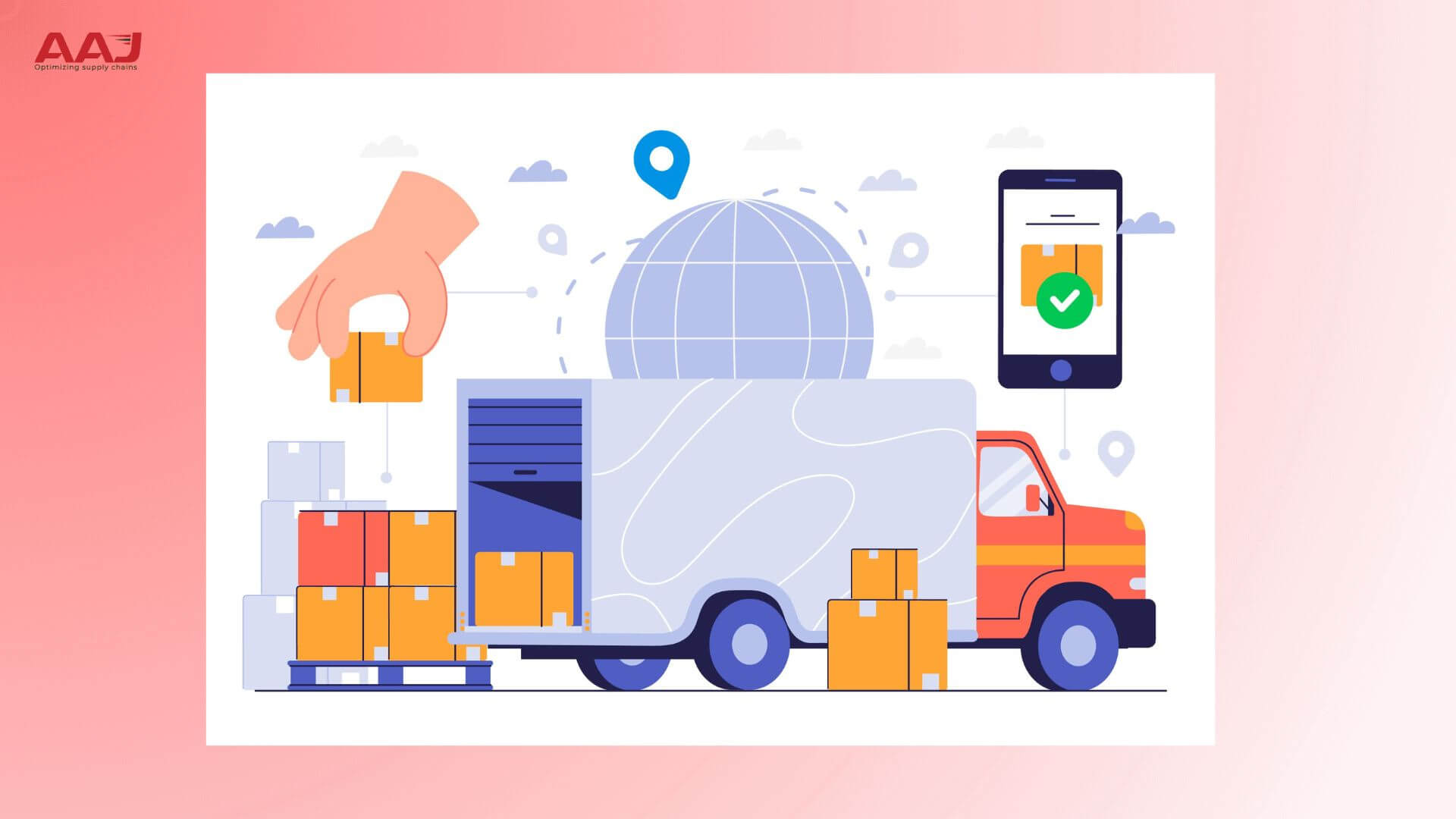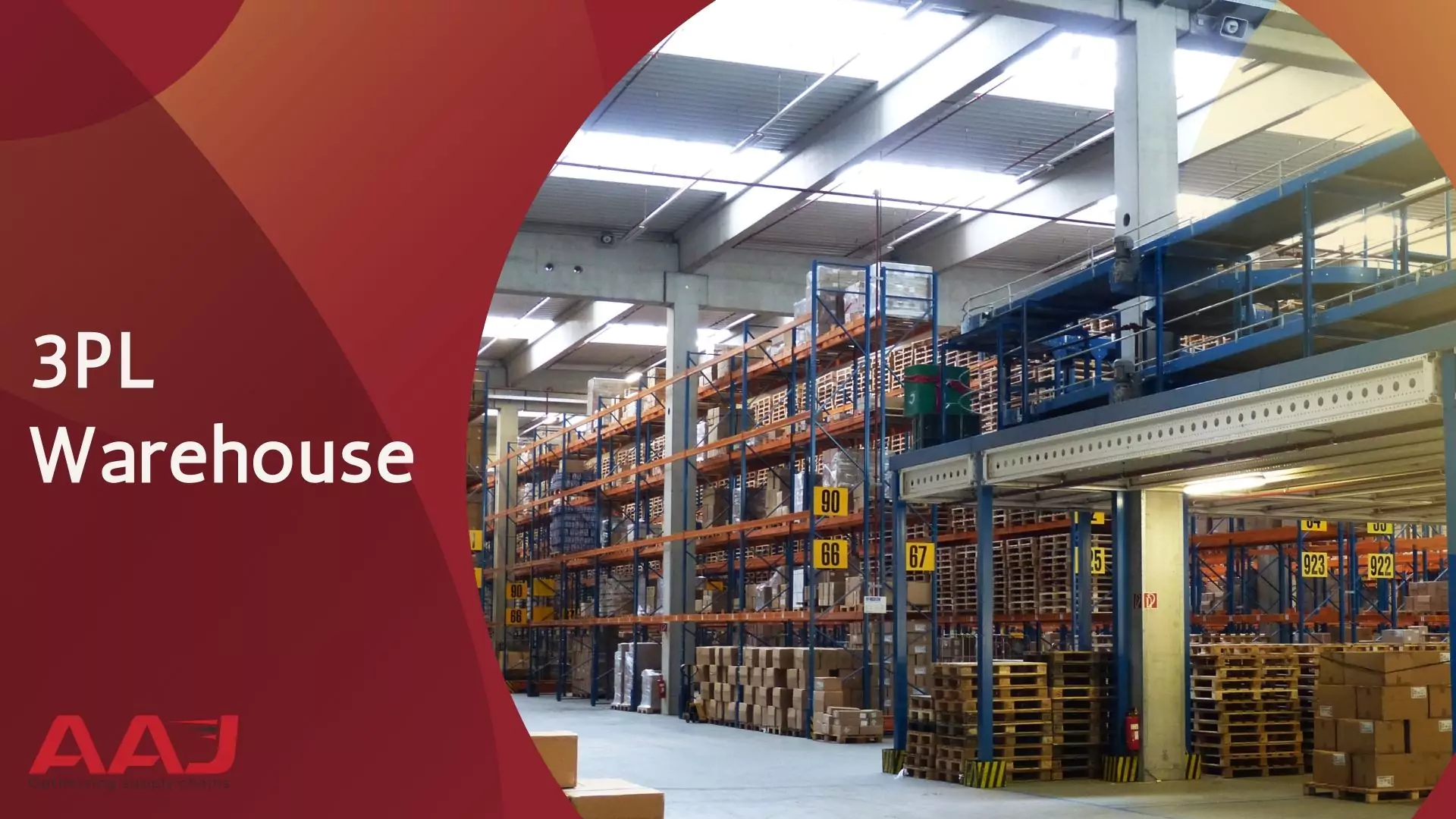
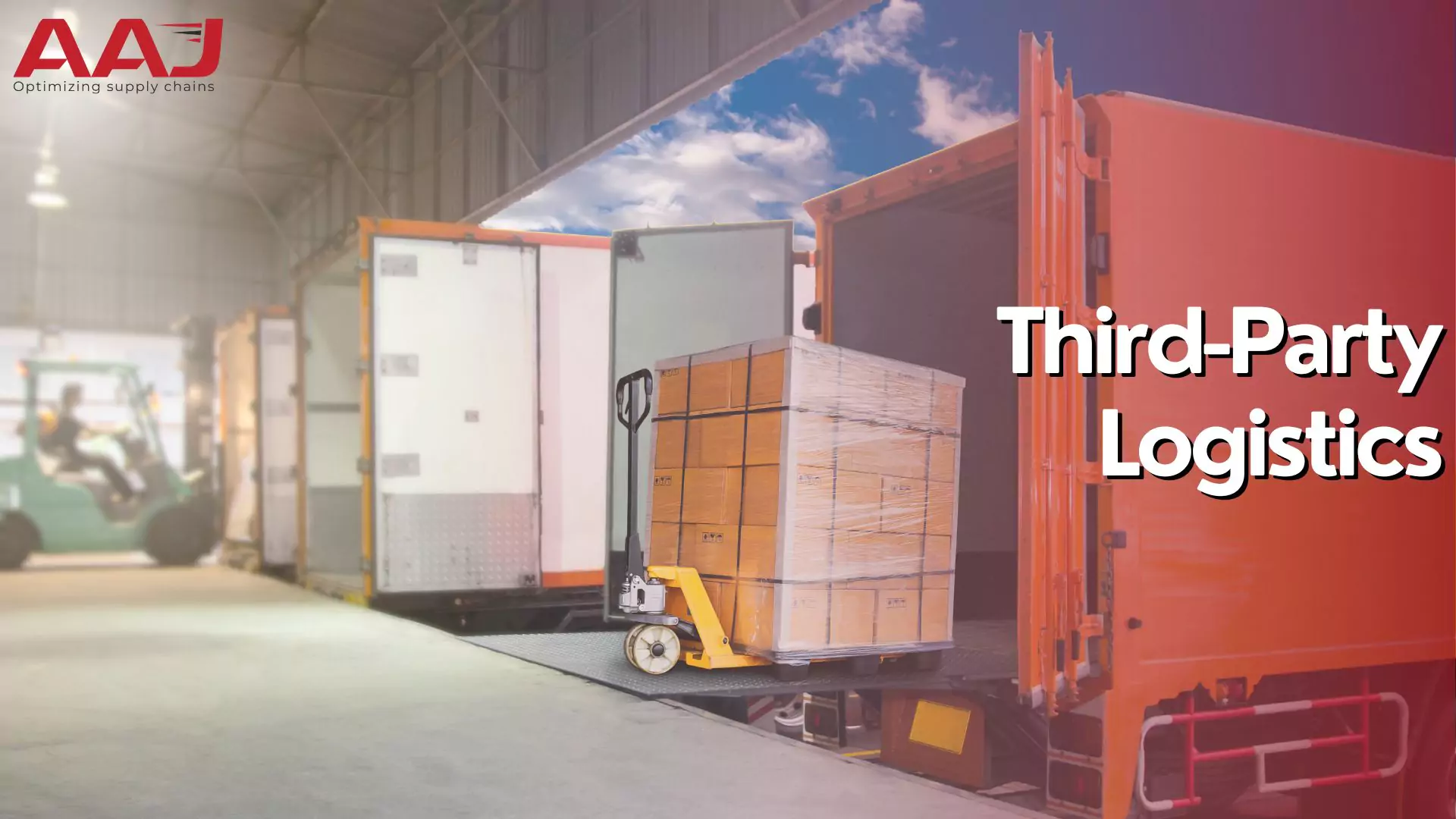

As a business grows, logistics becomes harder to manage in-house. More inventory means more storage space. More orders require more warehouse staff, fulfillment capacity and transportation coordination. Managing these operations internally also requires investment in warehouses, equipment, technology and logistics expertise.
A third-party logistics provider, or 3PL, takes on these logistics activities on behalf of a business. The scope can range from warehousing and inventory management to order fulfillment, transportation, distribution and returns.
This model has become an important part of India's logistics ecosystem. CBRE reported that 3PL companies accounted for about 44% of total industrial and logistics space absorption in India during H2 2025, making 3PL the largest occupier group during the period.
But choosing a 3PL is not simply about finding warehouse space or comparing per-order rates. Warehouse locations, technology, operating processes, service levels and scalability all affect how well the logistics operation performs.
This guide explains what 3PL means, how a 3PL provider works, the services it handles, the benefits and trade-offs of outsourcing logistics, and what to check before choosing a 3PL partner.
What Is Third-Party Logistics (3PL)?
Third-party logistics is the outsourcing of logistics activities to an external provider. Instead of building and managing the entire logistics operation internally, a business uses a 3PL company to handle specific functions or an end-to-end workflow.
A 3PL commonly handles:
- Warehousing and storage
- Inventory management
- Order fulfillment
- Pick and pack operations
- Transportation and distribution
- Packaging and value-added services
- Returns management
- Shipment tracking and reporting
The scope varies by business. One company may outsource warehousing and transportation, while another may hand over receiving, storage, fulfillment, delivery and returns to the same provider.
The business remains responsible for its products, customer requirements and overall supply chain decisions. The 3PL manages the logistics activities covered by the service agreement.
How Does a 3PL Provider Work?
A 3PL operates as an extension of a business's logistics team. Inventory moves into the provider's warehouse, where it is received, stored and tracked. When an order comes in, the warehouse processes it, prepares the shipment and coordinates dispatch.
A typical 3PL workflow looks like this:
Inventory & Requirements → Receiving → Storage & Inventory Management → Order Processing → Picking & Packing → Dispatch → Tracking → Returns
The exact services and responsibilities are defined in the agreement between the business and the 3PL.
1. Inventory Is Sent to the 3PL
The business sends products to the 3PL warehouse according to its inventory requirements. The provider receives the shipment, verifies the stock and records it in the warehouse system.
2. Goods Are Received and Stored
The 3PL checks incoming inventory and assigns products to their storage locations. A warehouse management system (WMS) records stock movements and provides a central view of inventory within the facility.
3. Orders Are Sent to the 3PL
When a customer places an order, the order details reach the 3PL through an ecommerce platform, ERP, order management system or another integration.
The warehouse then processes the order according to the agreed fulfillment workflow.
4. Products Are Picked and Packed
Warehouse staff pick the required products, verify the order and pack it according to the business's packaging and shipping requirements.
The same stage can include labeling, kitting, bundling and other value-added activities when they form part of the operation.
5. Orders Are Dispatched
Once packed, the shipment is handed over to the selected carrier or transportation partner.
The 3PL coordinates dispatch and shares the relevant shipment information with the business.
6. Tracking and Performance Data Are Shared
The business receives information about inventory, orders, shipments and other warehouse activities through reports, dashboards or connected systems.
This gives the business visibility into its logistics operation without requiring its own team to manage every warehouse activity.
7. Returns Are Processed
When returns management is included in the service, the 3PL coordinates the return flow, receives the returned product, inspects it and updates its status.
The product is then routed according to its condition and the agreed disposition process. It may return to saleable inventory, move to repacking or repair, or go through another recovery or disposal route.
For a closer look at the backward movement of products through the supply chain, see our guide to reverse logistics.
Example: How a D2C Business Uses a 3PL
Consider a growing D2C brand that does not want to build and operate its own fulfillment warehouse.
The brand sends its inventory to a 3PL facility. The provider receives and records the stock, stores it and connects its systems with the brand's order channels.
When a customer places an order, the 3PL picks and packs the product, hands it to the carrier and shares the tracking information with the brand.
Returns follow the same operational connection. Returned products reach the warehouse, go through inspection and are assigned their next action according to the brand's return rules.
The brand therefore avoids building a separate fulfillment operation while retaining visibility into inventory, orders and shipments. The warehousing services handled by the 3PL are defined in the commercial and operational agreement.
What Services Does a 3PL Provider Offer?
A 3PL can manage a single logistics function or combine several services into one operation. The right setup depends on the business's products, order volumes, sales channels and distribution requirements.
1. Warehousing and Storage
A 3PL provides warehouse space and manages the day-to-day handling of inventory. This includes receiving, putaway, storage, stock movement, picking and dispatch preparation.
The warehouse setup needs to match the inventory. SKU count, product characteristics, storage conditions and order frequency all influence how the facility is organized.
2. Inventory Management
The 3PL tracks inventory as products move through receiving, storage, picking, dispatch and returns.
WMS-based processes record stock movements and help teams maintain inventory accuracy and visibility.
3. Order Fulfillment
The 3PL receives orders from ecommerce platforms, marketplaces, ERP systems or other sales channels and processes them through the warehouse.
Fulfillment covers activities such as picking, order verification, packing, labeling and dispatch.
4. Transportation and Distribution
A 3PL coordinates transportation between warehouses, customers, distributors, retailers and other destinations.
The transportation mode is selected according to shipment requirements, delivery timelines, product characteristics and destination. Road transportation is common for domestic distribution, while air and rail are used where the shipment and network require them.
5. Returns Management
Returns management handles the logistics work that begins when a product comes back.
The 3PL coordinates return pickups, receives the products, verifies and inspects them, updates inventory and routes each item according to the defined disposition rules.
For high-return businesses, this process needs its own warehouse workflows because returned inventory cannot simply be placed back into saleable stock without inspection and reconciliation.
6. Value-Added Services
Many 3PL operations also handle activities beyond basic storage and fulfillment, including:
- Kitting and bundling
- Product labeling
- Quality checks
- Repackaging
- Promotional packaging
- Product assembly
- Customized warehouse services
These services prepare products for dispatch, retail distribution or a specific customer requirement without requiring the business to manage the work separately.
What Are the Benefits of Using a 3PL Provider?
Outsourcing logistics reduces the infrastructure and operational workload a business needs to manage internally. The actual financial and operational impact depends on the services, volumes and commercial terms agreed with the provider.
1. Lower Infrastructure Investment
A business does not need to build its entire warehouse operation when those activities are outsourced.
The 3PL provides the facility, equipment and operational workforce covered by the agreement, while the business pays for the capacity and services it uses.
This is particularly relevant for businesses entering new markets or growing faster than their existing logistics infrastructure.
2. Access to Logistics Expertise
Logistics providers work with established warehouse, ecommerce fulfillment, inventory and transportation processes.
A business gains access to that operational expertise without having to recruit and build every capability internally.
3. Easier Scaling
Order volumes change with seasonality, promotions, product launches and business growth.
A 3PL adjusts warehouse and fulfillment capacity around these changes, subject to the capacity and terms agreed with the provider. This gives businesses more flexibility than building permanent infrastructure for their highest expected volume.
4. Technology and Visibility
3PL operations use systems such as WMS, inventory tracking, order integrations, shipment tracking and reporting platforms.
These systems connect physical warehouse activity with digital inventory and order records, giving businesses better visibility into stock and fulfillment performance.
Technology capabilities differ between providers, so they need to be assessed during the selection process.
5. More Focus on the Core Business
Logistics requires people to manage inventory, warehouse operations, transportation, fulfillment and exceptions.
Outsourcing these activities gives internal teams more time to focus on product development, sales, marketing, customer relationships and business strategy.
6. Support for Market Expansion
A 3PL with facilities and transportation capabilities across multiple locations gives businesses access to an established distribution network.
Instead of setting up a warehouse in every new market, the business can use the provider's existing infrastructure where it fits the operation.
7. Operational Flexibility
A 3PL provides established processes and logistics capacity for managing changing order volumes, seasonal peaks and distribution requirements.
Outsourcing does not eliminate operational risk. Businesses still need to assess the provider's infrastructure, service levels, contingency plans, communication processes and ability to handle disruptions.
8. Better Customer Experience
Accurate fulfillment, reliable dispatch, shipment visibility and efficient returns all influence the customer experience.
A well-managed 3PL operation supports these activities from the warehouse through final delivery and, where included, the return journey.
3PL vs In-House Logistics
A business has two broad choices: build and operate its logistics infrastructure internally or outsource some or all of it to a 3PL.
| Factor | 3PL | In-House Logistics |
|---|---|---|
Infrastructure | Uses the provider's warehouse and equipment | Business owns or leases and manages its infrastructure |
Upfront investment | Lower initial infrastructure requirement | Higher investment in facilities, equipment and setup |
Operational control | Managed through the service agreement | Direct control |
Logistics expertise | Provided by the 3PL team | Built and maintained internally |
Scalability | Capacity is adjusted through the provider | Business expands its own infrastructure and workforce |
Technology | Uses the provider's systems and integrations | Business selects, implements and manages its systems |
Staffing | Provider manages outsourced operations | Business recruits and manages logistics staff |
Best suited for | Businesses seeking flexible capacity or specialized logistics expertise | Businesses with the scale and resources to operate logistics internally |
Neither model is automatically better. The decision comes down to the level of control the business needs, the investment it is prepared to make and the operational complexity it wants to manage.
Which Industries Use 3PL Providers?
3PL services are used across industries that need to store, move, fulfill or distribute physical products.
Retail and Ecommerce
Retail and ecommerce businesses manage large SKU ranges, changing order volumes and customer delivery expectations.
A 3PL handles inventory, fulfillment, transportation and returns while providing the warehouse capacity needed to support changing volumes.
Manufacturing
Manufacturers use 3PL services for activities such as raw material movement, finished-goods warehousing, B2B distribution and transportation.
The logistics setup needs to align with production schedules, component handling and distribution requirements.
Pharmaceuticals and Healthcare
Pharmaceutical and healthcare products require careful handling, storage and transportation. Depending on the product, operations may also require temperature control, batch-level tracking and specialized processes.
The logistics provider needs the infrastructure, controls and compliance processes required for the products it handles.
Food and Beverage
Food and beverage businesses often require temperature-controlled storage and transportation, inventory rotation and careful handling of perishable products.
The logistics operation needs to account for shelf life, storage conditions and distribution requirements.
How to Choose a Third-Party Logistics Provider
Choosing a 3PL provider is not simply about finding the cheapest warehouse or the lowest per-order rate.
The provider needs to fit your products, customer locations, technology environment, service requirements and growth plans.
Here are the factors worth evaluating before you choose a partner.
1. Define the Services You Need
Start by deciding which logistics activities you want to outsource.
This may include:
- Warehousing
- Inventory management
- Pick and pack
- Ecommerce fulfillment
- B2B fulfillment
- Transportation
- Returns management
- Value-added services
A defined scope makes provider comparisons more useful because you can evaluate the same services and costs across each proposal.
2. Evaluate Warehouse Locations and Network
Look at where the provider's warehouses are located and how those locations fit your customer and distribution network.
Inventory positioned closer to major demand centers reduces unnecessary transportation movement and supports delivery requirements.
Also evaluate warehouse capacity, storage conditions, operating hours, security and the facility's experience with your type of inventory.
3. Check Technology and Integrations
Technology determines how easily your team can monitor outsourced logistics.
Ask about:
- WMS
- Inventory visibility
- Ecommerce and marketplace integrations
- ERP and OMS integrations
- Shipment tracking
- Operational dashboards and reporting
- APIs where required
The systems need to connect with your existing technology and provide the level of visibility your operation requires.
4. Check Scalability Before You Need It
Sales growth, product launches and seasonal demand can change logistics requirements quickly.
Ask how the 3PL handles peak volumes, additional storage, increased staffing and higher fulfillment requirements.
Also clarify what happens when your actual volumes exceed the initial capacity plan.
5. Look for Relevant Industry Experience
The provider needs to understand your product and its handling requirements.
This becomes especially important for temperature-sensitive, fragile, regulated or high-value inventory.
Ask about experience with similar products and the processes used for storage, security, quality checks, handling and compliance.
6. Understand the Complete Pricing Model
Do not compare providers using warehouse rent or a single per-order rate.
Review the full pricing structure, including:
- Storage
- Inbound handling
- Outbound handling
- Pick and pack
- Transportation
- Packaging
- Returns processing
- Value-added services
- Minimum order or storage commitments
- Seasonal or other applicable charges
A complete cost view gives you a better estimate of the actual cost of outsourcing logistics.
7. Set Clear SLAs and KPIs
Define how the provider's performance will be measured.
Common KPIs include:
- Inventory accuracy
- Order processing time
- Order accuracy
- Dispatch performance
- Damage or loss rates
- Returns processing time
- Reporting accuracy
The agreement needs to define responsibilities, service levels, reporting frequency and the process for addressing performance issues.
8. Evaluate Customer Support and Escalation
Logistics problems need clear ownership and quick resolution.
Before signing an agreement, identify the day-to-day point of contact, escalation process and reporting structure.
This becomes particularly important when dealing with delayed orders, inventory discrepancies, damaged shipments or system issues.
What Should You Look for in a 3PL Provider?
The right 3PL brings together relevant infrastructure, suitable locations, reliable processes, useful technology, transparent pricing, measurable SLAs and the capacity to scale.
Cost is only one part of the decision. A lower rate does not necessarily reduce total logistics costs if poor inventory accuracy, slow processing or limited visibility create problems elsewhere in the supply chain.
For businesses evaluating a 3PL partner in India, AAJ Supply Chain Management provides warehousing, fulfillment, transportation, returns management and related supply chain services through a technology-enabled operating model. AAJ states that it serves 200+ brands through 12+ locations and uses integrated WMS, TMS and RMS capabilities.
When Should a Business Switch to a 3PL?
A business does not need to wait until its logistics operation becomes unmanageable before outsourcing.
A 3PL becomes worth evaluating when:
- Warehouse capacity is becoming a constraint.
- Internal teams spend too much time managing logistics.
- Order volumes are growing faster than fulfillment capacity.
- Inventory accuracy is becoming difficult to maintain.
- The business needs to enter new regions without building new warehouses.
- Transportation coordination is becoming complex.
- Returns are taking too long to process.
- The business needs logistics technology that it does not have internally.
- Seasonal peaks require more capacity than the current operation can support.
There is no universal order-volume threshold for switching to a 3PL. The better question is whether the cost and complexity of running logistics internally still make sense for the business.
Conclusion
Third-party logistics gives businesses a way to outsource logistics without building every part of the operation internally.
A 3PL can take responsibility for warehousing, inventory management, fulfillment, transportation and returns management while giving the business access to established infrastructure, technology and logistics expertise.
The important decision is not simply whether to outsource. It is which logistics activities to outsource and which 3PL partner can handle them reliably as the business grows.
Start by defining your service requirements, target markets, expected volumes and technology needs. Then compare providers on infrastructure, locations, processes, pricing, SLAs and scalability.
If you are evaluating 3PL partners for warehousing, fulfillment, transportation or returns management, talk to AAJ Supply Chain Management about your requirements.
Frequently Asked Questions About 3PL
3PL stands for third-party logistics. It refers to outsourcing logistics activities such as warehousing, inventory management, fulfillment, transportation and returns to an external logistics provider.