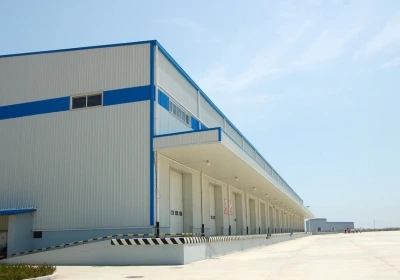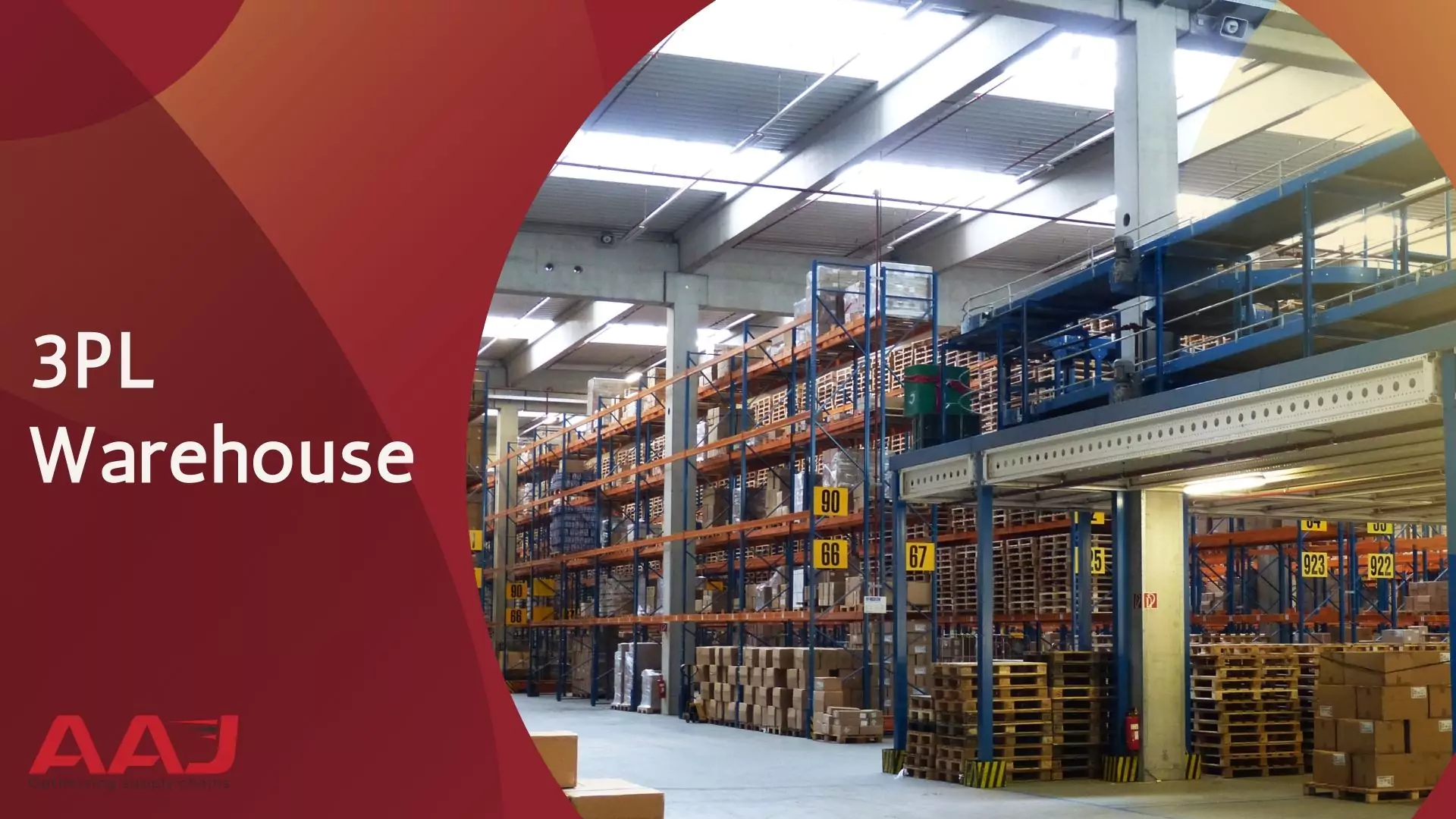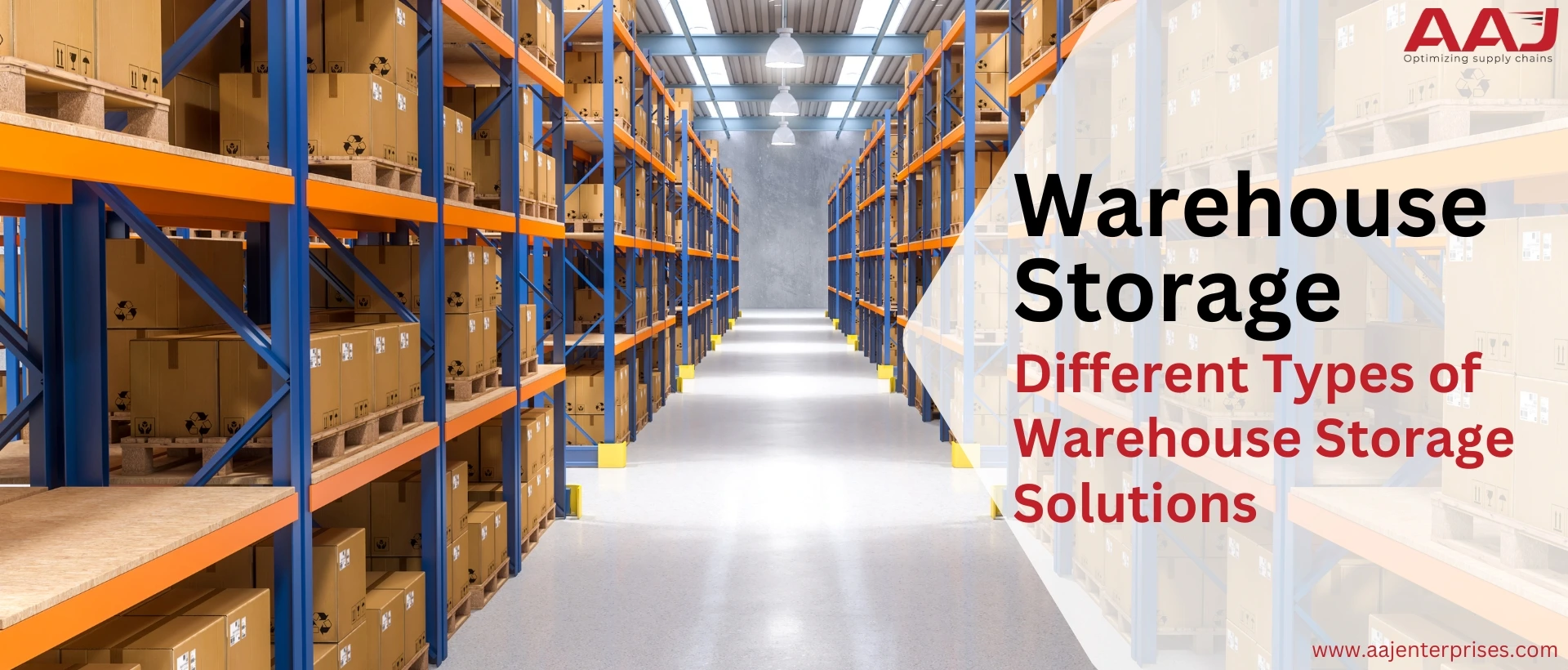
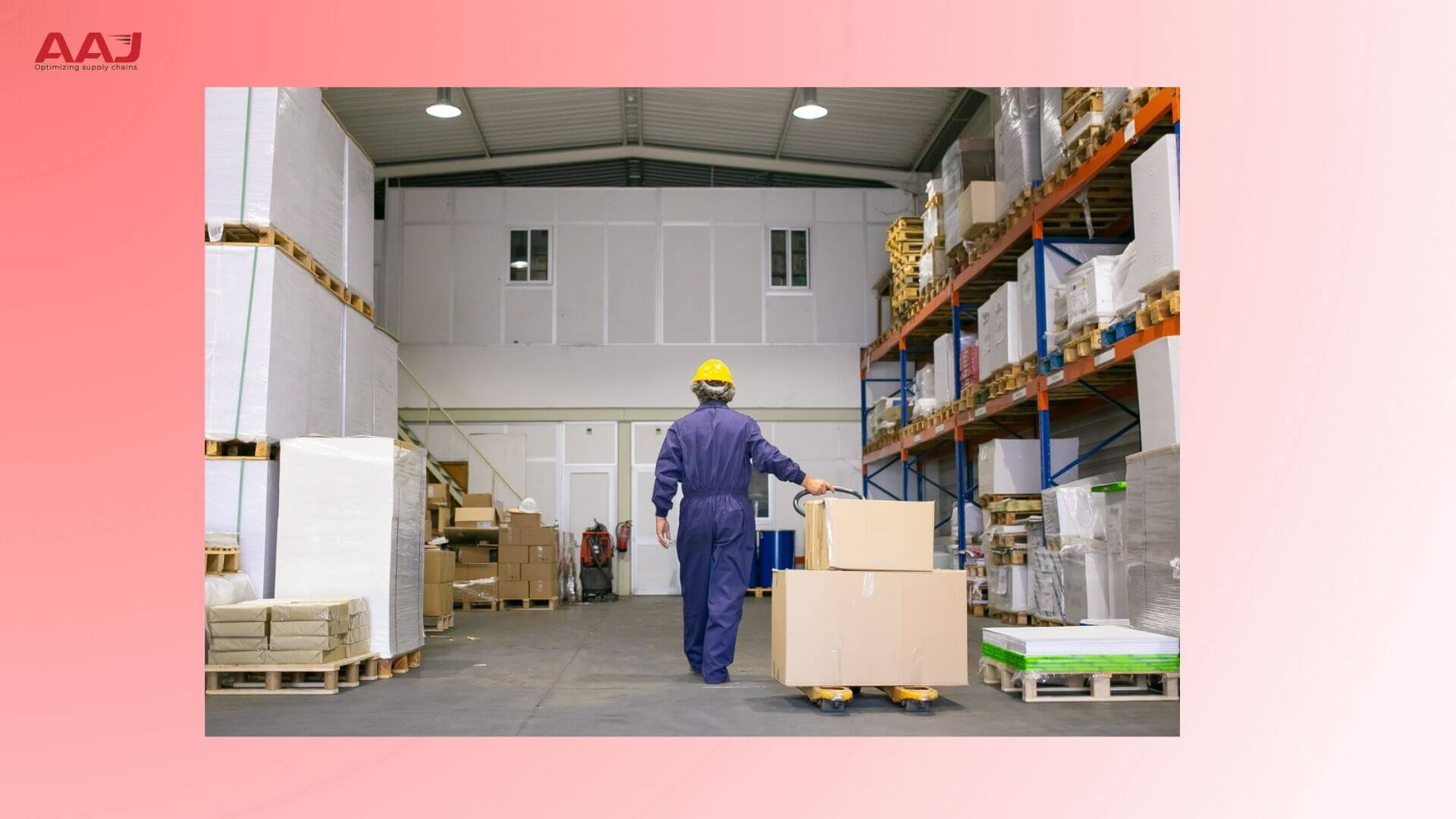

While warehousing is an integral component of the supply chain, finding the perfect warehouse goes beyond just securing sufficient storage space. The nature of the products you're storing and handling, volume, distribution needs, location, storage environment and business expansion plans can all affect the type of warehouse you need.
Different businesses need different types of warehouses. A business that is ecommerce-heavy might want to have a distribution-centric facility while a food or pharmaceutical business might need a cold storage facility. A bonded warehouse may be needed for a company engaged in international trade, whereas a business with fluctuating inventory needs might want to use on-demand storage.
By knowing the types of warehouses and what they are for, businesses can make better warehousing decisions, manage their inventory and optimise their supply chain.
10 Different Types of Warehouses
The warehouse models are available in various forms, depending on the operational needs. Some of the more common types of warehouses are listed below:
1. Public Warehouse
A public warehouse is run by an outside company and is typically accessible to a number of companies for storage.
They can be beneficial for companies which do not wish to invest in their own warehouse system or need space for a brief time frame. They are often ideal for small and start-up businesses that require flexibility but do not have to invest too much in a specific premises.
Ideal for: Small businesses, startups, seasonal stock and businesses requiring flexible storage solutions.
2. Private Warehouse
Private warehouse is owned or leased and used principally for the storage and movement of the owner's or lessee's goods.
Private warehouses provide greater control over storage, processes, equipment and operations. They also need a considerable amount of infrastructure, technology, people, maintenance and security costs, however.
Ideal for: Large businesses, manufacturers, wholesalers and companies with consistent high storage volume.
3. Smart Warehouse
A smart warehouse is an improvement in warehouse operations through the use of technology, software, automation and modern material handling systems.
These warehouses might employ a Warehouse Management System (WMS) combined with other technologies like barcode scanners, automated machinery, robotics and data-driven inventory management.
The goal is to increase visibility, accuracy, productivity and the use of resources and limit manual processes.
Ideal for: High volume businesses, ecommerce and businesses with complex inventory and fulfilment needs.
4. Cooperative Warehouse
Cooperative warehouse is a warehouse that is owned by a group of businesses, typically businesses in the same line of business or that have similar product lines.
Through the sharing of warehouse facilities and costs, enterprises can obtain storage space without having to pay for running their own warehouse.
Ideal for: Small businesses, producers and businesses with similar storage needs.
5. Consolidated Warehouse
A consolidated warehouse is the process of combining smaller shipments or inventories from multiple sources to use them or transport them more efficiently.
It can assist companies to optimise transportation usage and minimise the need for transporting smaller quantities of goods.
Ideal for: Companies that are dealing with smaller shipments, distributed suppliers, or operations in which shipment consolidation can help them become more efficient.
6. Bonded Warehouse
A bonded warehouse is a facility in which goods are stored while waiting for customs duties or taxes to be paid on imports.
This kind of warehouse is especially relevant for trade organizations that carry on overseas trades. Goods are subject to customs controls until such duties and procedures are undertaken and fulfilled.
Ideal for: Importers, exporters and businesses handling international shipments.
7. Government Warehouse
Government warehouses are owned or run by government bodies and can be used for a variety of storage, agricultural, public distribution and other institutional needs.
They can provide structured storage facilities, although the eligibility, documentation and operating requirements can differ from those of commercial warehouses.
Ideal for: Enterprises and institutions that conform to the requirements set by the government for storage.
8. Cold Storage Warehouse
Cold storage warehouses are unique facilities that provide controlled temperature storage for products that need it.
They are typically used to transport perishable foods, pharmaceuticals, plants and other temperature-sensitive items. Control of the right temperature and environment is important for products, quality and shelf life.
Ideal for: Food, pharmaceuticals, beverages, plants and other items that require temperature control.
9. On-Demand Warehouse
An on-demand warehouse is a space that is available to use when a business requires extra storage, but without having to sign a long-term lease contract for a dedicated warehouse.
This can be helpful when there is a seasonal demand, temporary surge in inventory, or a promotional period or sudden shift in storage needs.
Ideal for: Seasonal businesses, growing companies, businesses with changing inventory that require quick turnaround storage.
10. Distribution Center
A distribution centre is fundamentally intended to help the efficient flow of products towards the retailers, businesses or end customers, rather than just store products for a long time.
Distribution centers usually deal with receiving, sorting, picking, packing and dispatch and transportation coordination. Can be a significant part of ecommerce and high volume distribution networks.
Ideal for: Ecommerce business, retailers, wholesalers and businesses that need rapid stock turnover and order fulfillment.
What are the services offered by a Warehouse?
A warehouse is more than just a place to store products. Warehousing can be used to facilitate a number of activities in the supply chain, depending on the facility and service provider.
Storage and Safeguarding
Warehouses provide a controlled environment for storing raw materials, finished goods and other inventory. Good storage prevents products being damaged, stolen, exposed to the elements, or exposed to unsuitable environmental conditions.
In addition, buffer stock can be maintained by the warehousing system to buffer against fluctuations in demand or unexpected stoppages in supply.
Inventory Management
Warehouse Operations include the ability to receive, store, track and move inventory.
A structured inventory management process enables businesses to understand what inventory they have, which is where it is and how it is flowing through the supply chain.
Order Fulfilment
The warehouse can pick, pack and dispatch the goods that the customer/cash orders requires for the order.
Precision fulfilment can help deliver the right product, right place, right time, which contributes to a positive customer experience.
Consolidation and Distribution
Warehouses can merge items from various suppliers or inventory locations and ship them to various markets.
This can enhance the efficiency of transportation and reduce needless transportation of small shipments.
Value-Added Services
Many modern warehouses also offer value added services including:
- Packaging
- Labelling
- Kitting
- Light assembly
- Product customization
- Repacking
- Other order-specific processing
These services enable businesses to carry out more activities nearer to the point of fulfilment.
Returns Management
Warehouses can also facilitate reverse logistics, such as the collection of returned products, their inspection, sorting and processing.
The accuracy of inventory is maintained through effective returns handling and the decision on whether products need to be restocked, repaired, repackaged, or otherwise handled is made.
The importance of technology in warehouse operations.
A Warehouse Management System (WMS) can track and control data pertaining to incoming goods, storage areas, goods flow, goods picking, goods packing and outbound shipping. This helps enhance visibility of the warehouse operations and can contribute to better planning and decision making.
Other technologies, such as modern racking, material handling equipment, barcode systems, automation and digital technologies can also be integrated into smart warehousing to boost productivity and minimise operational mistakes.
But, technology needs to be chosen based on the operational needs in reality. The right system is one that makes the process of the warehouse more efficient rather than complicated.
How to Choose the Right Type of Warehouse
Choosing the right warehouse is one of the most important decisions in developing an efficient supply chain. No single type of warehouse is suitable for all businesses.
It makes all the difference depending on the products, business model, customers, distribution channels, cost and future needs.
1. Start With the Type of Products You Store
The first question you should ask is: What will you be storing?
The needs of the warehouse are directly influenced by the characteristics of the product.
For example:
- Some perishable food may need to be stored cold.
- Bonded storage may be required for imported goods.
- Some fragile items may require special handling.
- Special safety and storage may be necessary for hazardous or regulated products.
- In the case of high value products, more robust security measures might be needed.
Factors such as temperature, humidity, shelf life, product size, packaging and handling considerations must also be taken into consideration when choosing a warehouse.
2. Consider Your Inventory Volume and Storage Requirements
Determine the quantity of stock that you require to store at the moment and what you likely will need to store in the future.
Consider:
- Number of SKUs
- Units per SKU
- Pallet or carton requirements
- Inventory turnover
- Peak inventory levels
- Required storage duration
- Seasonal fluctuations
Focusing on the current stock may lead to issues that arise if the business expands at an accelerated rate. Meanwhile, if the capacity is unused, it may be a waste of the operating cost to pay for it.
The right warehouse should be able to offer enough capacity and some flexibility to adjust as needed in the future.
3. Evaluate Your Order Fulfilment Model
The kind of your fulfilment model can dictate the sort of warehouse you require.
A business that is doing hundreds or thousands of small orders might require a warehouse set up for piece-picking, packing and quick shipment.
Significant bulk handling and loading, bulk handling and loading and stronger pallet storage requirements may be needed by a business involved in a large number of B2B shipments.
For companies that require inventory to move fast, a distribution center might be needed and for products that are stored for extended periods of time, a traditional storage facility may be enough.
4. Look at Warehouse Location and Market Proximity
The location of the warehouse has an impact on the transport expense, delivery schedules and response to the supply chain.
When choosing a site for a house or building, take into account the distance to:
- Major customer markets
- Suppliers
- Manufacturing facilities
- National highways
- Ports
- Airports
- Rail networks
- Major urban consumption centers
The right location for a warehouse can serve to minimize transportation distances and delivery time. The accessibility of the road is also important. Road and traffic congestion and difficult access can cause delays in transportation and result in higher operating costs.
5. Consider Seasonal Demand and Business Growth
You may need more or less space in the warehouse this year. There might be times when extra capacity is needed for businesses during festive seasons, promotional or seasonal inventory peaks.
An on-demand or flexible warehousing approach might be more appropriate in these cases than building excess capacity to accommodate future growth.
Likewise, companies that anticipate quick expansion must evaluate if the warehouse will be able to accommodate the expansion in inventory levels, increase the number of SKUs and raise order volume.
6. Determine the Level of Technology You Need
There is no universal level of warehouse technology needed for all businesses. A low SKU, low volume ecommerce business might only need basic inventory management, while a high volume ecommerce business might require a WMS, barcode system, inventory visibility, automation and system integrations.
Check to see if the warehouse is capable of matching the technology you will need for your operations and if the systems can integrate with your ERP, ecommerce platform or order management system.
7. Assess Security and Safety Requirements
The warehouse should be suitable to protect the products and people who work in the warehouse.
Assess characteristics including:
- CCTV and access control
- Fire protection systems
- Emergency procedures
- Security personnel
- Product handling standards
- Infrastructure condition
- Safety compliance
For special products, ensure that facility is designed to provide storage and handling requirements.
8. Examine Available Value-Added Services
A warehouse can really offer a ton more value if it serves the activities you already have. For example, a business may benefit from a facility that combines storage with:
Receiving → Inventory Management → Picking → Packing → Labelling → Dispatch → Returns
These activities could be better managed by a single operation, thus helping to reduce the multiple logistics partnerships.
9. Compare Total Cost, Not Just Storage Price
The quoted storage rate is not the sole factor to consider when choosing a warehouse.
Consider all the costs of the operation such as:
- Storage
- Receiving and handling
- Labour
- Picking and packing
- Transportation
- Technology
- Packaging
- Returns processing
- Value-added services
- Additional or seasonal capacity
It is not always the warehouse that levies a lower storage charge that is the most economical choice when all operating costs are taken into account.
10. Think About Scalability and Flexibility
Last but not least, check how adaptable the warehouse is to the changes and growth of your business. Ideally, a good warehouse will be able to accommodate changes in:
- Storage volume
- SKU count
- Order volume
- Customer geography
- Fulfilment model
- Value-added services
- Seasonal demand
The warehouse you select now should not restrict your business the next day.
What makes a good Warehouse?
There are some characteristics that are relevant and necessary for any warehouse, regardless of its nature.
Adequate Storage Capacity
Current inventory and reasonable growth and peak needs should be accommodated.
Reliable Technology
Stock and warehouse data should be kept and readily accessible to the teams involved.
Efficient Material Handling
Use of appropriate racking, equipment and warehouse structure can help to enhance movement, space utilization and productivity.
Strong Security
Security systems should safeguard inventory against theft, damage and unauthorized access.
Safety, Emergency Preparedness.
The facility should have the appropriate safety procedures and emergency protocols in place that are related to the products and operations that it receives.
Accessible Location
Well-connected roads and close to key markets and transport infrastructure can enhance distribution efficiency.
Consistent Service Quality
A reliable receiving, storage, fulfilment and dispatch process are vital to supply chain performance.
Quick Guide: Which Warehouse Type Is Right for You?
Your business requirement can provide an initial direction:
| Business Requirement | Suitable Warehouse Type |
|---|---|
Small or growing business needing flexible storage | Public / On-Demand Warehouse |
Large business requiring dedicated control | Private Warehouse |
High-volume, technology-driven operations | Smart Warehouse |
Shared storage requirements | Cooperative Warehouse |
Smaller shipments needing consolidation | Consolidated Warehouse |
International imports requiring customs-controlled storage | Bonded Warehouse |
Temperature-sensitive products | Cold Storage Warehouse |
Fast movement and high-volume distribution | Distribution Center |
This is only a starting point. The final decision should consider product requirements, capacity, location, technology, cost and operational processes together.
Conclusion
Choosing a warehouse is not just a matter of storage space; it's a strategic supply chain decision. There are various warehouse types that best suit the different business functions, including public warehouses, private and smart warehouses, bonded warehouses, on-demand warehouses, distribution centers, cold storage and more.
The most suitable solution will depend on several factors such as product attributes, stock levels, fulfilment arrangements, customer distribution, transport needs, technical solutions, security levels, cost levels and future expansion.
So, businesses should consider warehouse options not only on the basis of their space or pricing but also the overall operational need.
The appropriate warehouse type and location, combined with the appropriate infrastructure and processes, can help businesses to control inventory, streamline fulfilment, optimize logistics costs and ensure that the supply chain is ready for expansion.