
Warehousing has evolved significantly with the growth of ecommerce, faster delivery expectations and increasingly complex supply chains. Modern warehouses are no longer limited to storing and moving products; they are becoming technology-enabled operations where real-time information, automation and connected systems play an important role.
The right digital technology in warehousing can enable a business and 3PL to enhance the efficiency of their operations, visual inventory, accuracy, safety and responsiveness.
What is Digital Technology in Warehousing?
Digital technology within a warehouse is defined as the use of connected devices, software, data and digital systems to manage and enhance warehouse activities.
These technologies can provide a link between the warehouse personnel, inventory, equipment and management systems, helping businesses to capture information in real time and make quicker management decisions.
Here are some of the vital technologies employed in today's warehouses:
- Internet of Things (IoT)
- Digital twins
- Warehouse mobility solutions
- Wearable devices
- Smart glasses and augmented reality
- Warehouse management and connected software systems
Key Digital Technologies Transforming Warehousing
Internet of Things (IoT)
The Internet of Things (IoT) is a technology that enables real-world devices and equipment to be linked to each other via sensors and communication links to gather and share information.
In the warehousing sector, IoT can be used to track items in real-time, monitor inventory levels, view equipment, monitor environments and automate processes. If a product needs a controlled environment, the connected sensors can also enable the monitoring of such parameters as temperature and humidity.
Digital Twins
A digital twin is a virtual, simulated model of a physical warehouse, asset or process and can include operational data in real-time.
This can enable warehouse teams to gain insight into the current situation, analyse processes, identify any potential delays and simulate various operating scenarios before making any changes to the warehouse operation. The original article highlights the ability of digital twins to combine physical simulation with real-time updates.
Warehouse Mobility Solutions
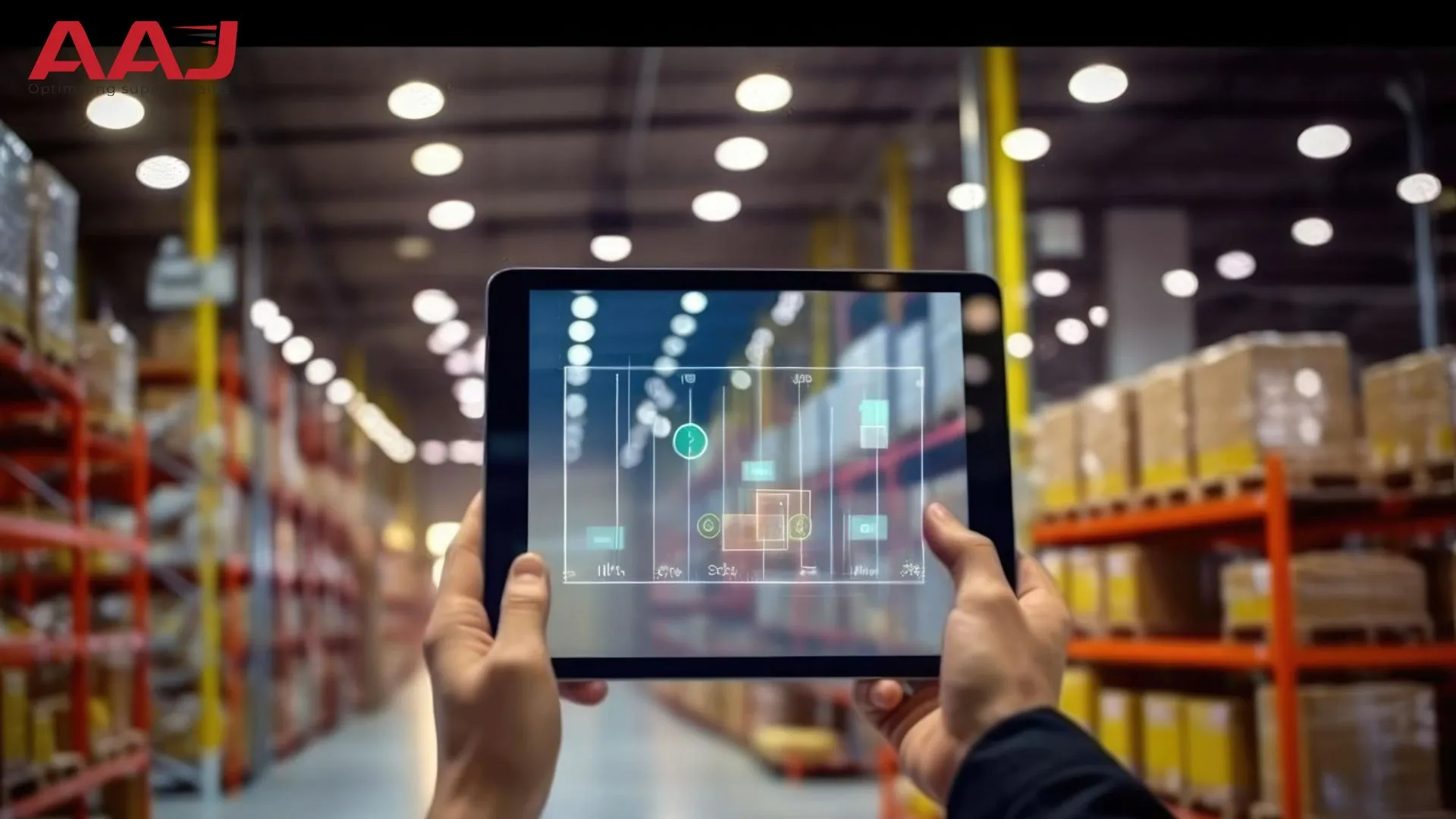
Warehouse workers and managers can access warehouse systems from rugged tablets and vehicle-mounted computers as they move about the warehouse.
These devices can eliminate the need to frequently go back to fixed workstations and offer easy access to inventory data, performance data, documents and operational communication from the warehouse floor.
Wearables and Smart Glasses
Wearable devices are used to access information without interfering with activities at the warehouse. Smart glasses can be used to assist with navigation, product identification, labeling and picking assistance and other wearable devices can give access to operational information without forcing employees to use handheld devices constantly.
Benefits of Digital Technology in Warehousing
With the help of technology, several warehouse aspects can be improved:
Higher Operational Efficiency
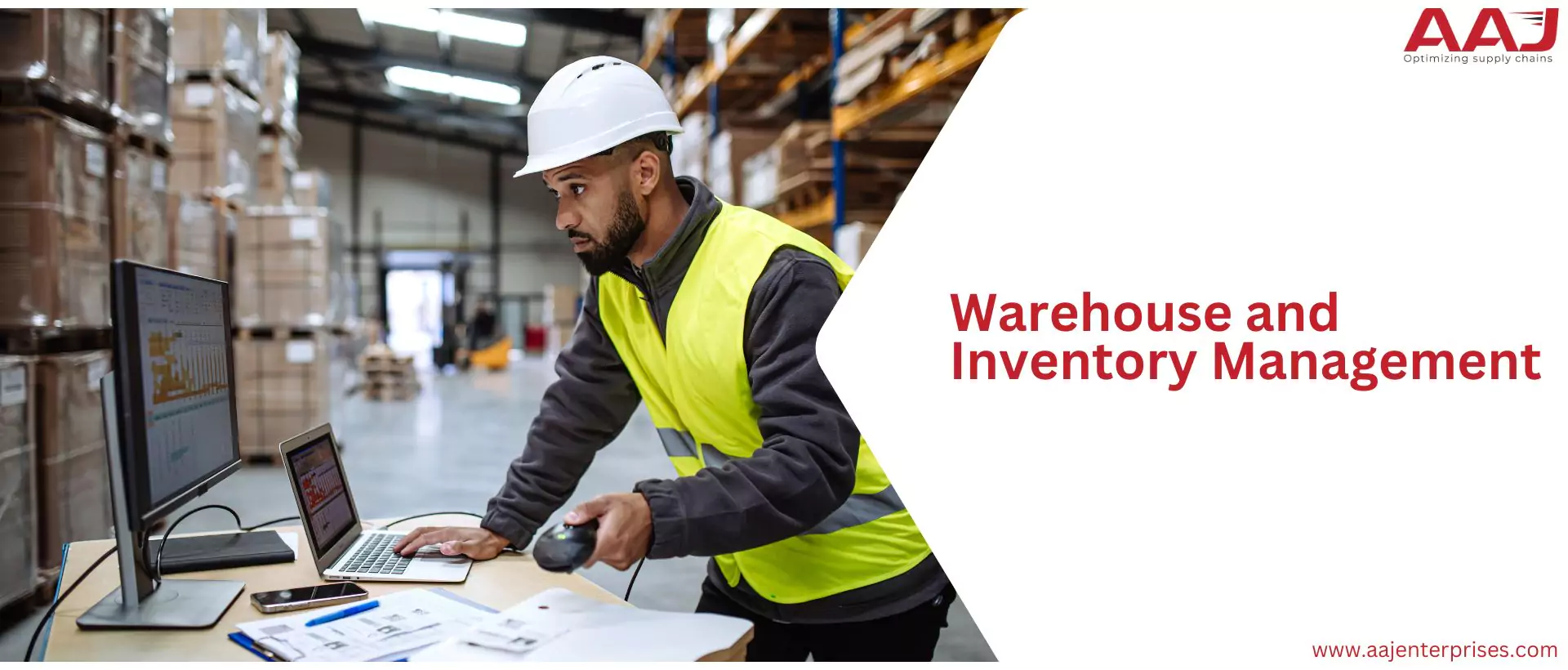
Access to inventory and operational data in real-time minimises unnecessary movement and tasks are completed faster. Mobile and connected devices can deliver information where it is needed, not to the fixed workstation and can provide that information repeatedly without the employee having to go back to the workstation.
Better Accuracy
Digital systems can reduce dependence on manual data entry and repetitive processes, helping minimize errors in inventory handling and warehouse transactions.
Greater Inventory Visibility
By connecting systems, they can gain a greater insight into where, how and what is happening in their warehouse. This can help businesses detect a stock that is out of place, improve the management of inventory and make informed decisions on replenishment and operations.
Improved Warehouse Safety
Wearables and sensor-enabled devices can help to make warehouse operations safer by giving workers the relevant data and in some instances warning of potential threats.
Building a More Connected Warehouse
In warehouses, digital or technology transformation isn't just about adding more technology. The true impact lies in the synergy between technology and the appropriate processes, people, data and business goals.
A well-connected warehouse can offer more visibility into the inventory and activities, allow faster decision making, minimize unnecessary mistakes and provide a more responsive operation. This technology, warehouse experience and process efficiency can serve as a rock-solid base for scalable and efficient warehousing for 3PL providers and businesses with complex supply chains.
Conclusion
Digital technology is becoming an important part of modern warehousing. IoT, digital twins, mobility solutions, wearables and connected warehouse systems can help businesses improve efficiency, accuracy, visibility and safety.
However, successful digitalization depends on selecting technologies that solve real operational challenges rather than adopting technology for its own sake. When implemented alongside effective warehouse processes and skilled teams, digital technology can help transform traditional warehouses into more connected, data-driven and scalable operations.