
E-commerce has transformed the way consumers shop and businesses sell. As online order volumes continue to grow, logistics has become an increasingly important part of the customer experience. Warehousing, packaging, transportation, last-mile delivery and returns all contribute to how efficiently an e-commerce business operates.
At the same time, these activities can have a significant environmental impact through fuel consumption, emissions, packaging waste, energy use and product returns. This has made sustainable logistics an important consideration for e-commerce businesses looking to improve operational efficiency while reducing their environmental footprint.
Third party logistics (3PL) providers can be very useful in optimizing transportation, warehousing, fulfillment, packaging and reverse logistics to the businesses. The article goes through some of the most essential sustainable logistics practices and how companies can create greener and more efficient eCommerce supply chains.
The Benefits of Sustainable Logistics Practices for E-Commerce Businesses
Sustainable logistics is more than just about minimizing environmental footprint. The benefits to businesses could also include greater efficiency, more effective use of resources, increased customer trust and increased resiliency.
Reduced Environmental Impact
The application of sustainable logistic practices may contribute to emission reduction, reduction of packaging waste, energy saving and unnecessary transportation. Optimised routes, minimising consignment sizes, optimising warehouse energy use and eliminating unnecessary returns can all help to reduce the environmental impact of a business.
Cost Savings
Sustainability and cost efficiency can go hand in hand. Improved shipment consolidation can lower shipping expenses, energy-efficient warehouses and optimized inventory movements can lower operating costs.
Optimizing packaging material and packaging dimensions can also contribute to the reduction of material use and transportation costs.
The experience and trust of the customer is enhanced.
Online shoppers are more relevant to the topic of sustainability. According to DHL's 2026 ecommerce trends research, sustainability and circular economy become significant factors for consumers and companies, while its 2025 research revealed high consumer interest in sustainable delivery, recycling, reusing and circular business practices.
For ecommerce brands, this extends beyond a mere change in perception to impacting buying and conversion rates.
Better Compliance & Business Resilience
The markets are changing in their environmental regulations and expectations for sustainability. A more efficient and transparent logistics process can better equip businesses to meet the evolving requirements.
Sustainable logistics can also help build supply chain resilience by minimising unnecessary resource use and maximising the efficiency of operations.
Role of 3PL services in Sustainable logistics.
Third party logistics providers assist businesses in a variety of ways including warehousing services, transportation, fulfillment, distribution and returns management. This is where 3PL services become valuable when a company aims to enhance sustainability in various aspects of its logistics chain.
Route Optimization and Shipment Consolidation.
3PL providers can leverage transportation management systems and shipment data to optimize shipment routes, increase vehicle utilization and consolidate shipments where feasible.
Businesses can control transportation costs, minimize fuel consumption and emissions, by keeping unnecessary trips to a minimum and optimizing load utilization.
Sustainable Warehousing
Improved energy efficiency lighting, space utilization, solar power, responsible waste management and optimized material handling are all ways in which warehouses can contribute to sustainability.
An efficient warehouse layout can also minimise movement at the warehouse and enhance productivity.
Sustainable Packaging
One of the significant components of e-commerce logistics is packaging. Appropriate packaging size, reduction in unnecessary materials and where appropriate, the use of reusable or recyclable packaging can help to reduce waste.
UN Trade and Development lists the following as some of the key areas that require rethinking to help reduce the environmental footprint of eCommerce logistics: Warehousing, Packaging, Transportation and Returns.
Return/Reverse Logistics
Returing is a crucial logistics element of ecommerce and can add more transportation, packaging and processing workload.
A successful reverse logistics process can assist businesses in inspecting products that are returned and then develop a decision of whether they can be resold, repackaged, refurbished, repaired, recycled, or disposed of in an environmentally responsible manner.
This way, e-commerce logistics can also be transformed to go circular, rather than linear, with returned products automatically being considered as waste.
Emerging Trends in Sustainable E-Commerce Logistics.
Sustainable logistics is changing from the classic recycling and energy saving operations. The new opportunities that technology and customer expectations present to businesses to decrease their environmental footprint while enhancing logistics performance.
Data-Driven Logistics Optimization
By analyzing data and making use of analytics, businesses can pinpoint inefficient routes, underutilized transportation capacity, excess packaging, inventory imbalances and avoidable returns.
AI and predictive analytics also increasingly being integrated into e-commerce activities. Rather than just pursuing an AI technology goal, it's about optimizing the use of data and decision-making to eliminate inefficiencies in the supply chain. AI and sustainability are emerging as prominent trends - along with others - with DHL's recent e-commerce research indicating that these areas will have a significant impact on the sector.
Electric and Lower-Emission Delivery
In urban and last-mile logistics, EVs and other lower-emission modes are becoming more relevant as they are increasingly being deployed in environments and situations where such operating conditions and infrastructure prevail.
Rather than vehicle electrification as the sole sustainability option, businesses should consider these options in the context of a wider transportation strategy.
Renewable Energy in Warehousing.
Renewable energy measures, like rooftop solar panels, coupled with LED lights, energy-efficient machinery and improved facility management, can help cut down on the use of traditional energy sources at warehouses.
With large warehouse networks and multi-site operations, businesses can benefit from reducing energy consumption in their operations in the context of environmental concerns as well as long-term running costs.
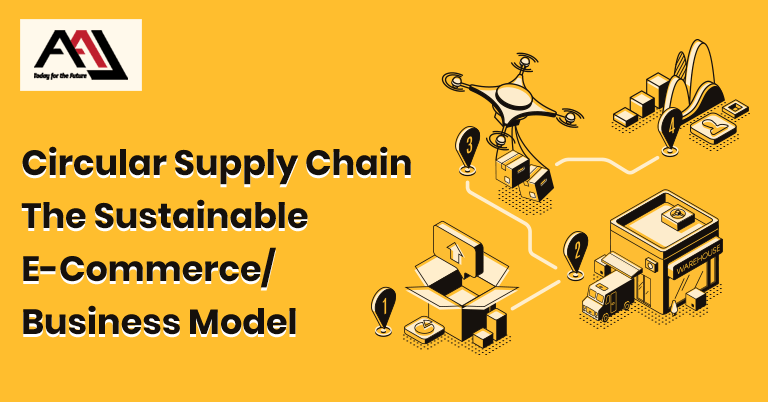
Circular Supply Chains
To achieve this, circular supply chains work to keep products and materials in use for longer by reusing, repairing, refurbishing, reselling, recycling and recovering them.
Circular logistics can be used in e-commerce, in particular, with regard to returned products, used products, packaging and inventory that is no longer needed.
Resale, refurbished products and recycling programs are gaining in popularity, further highlighting the viability of circular models for ecommerce businesses.
Businesses are increasingly reaching out to 3PL providers to become more sustainable. Sustainable logistics practices can be difficult to implement, especially for SMEs and small e-commerce stores that may not be able to implement them on their own.
An effective 3PL service provider can assist companies in a number of ways.
Eco-Fostering and Operational Evaluation
A logistics partner can evaluate current warehousing, transportation, packaging and returns processes to understand the inefficiencies and opportunities to make improvements to sustainability.
Technology Integration
3PL providers can help businesses adopt new systems, such as WMS, TMS, shipment tracking, analytics and others, to enhance visibility and enable businesses to make informed decisions about their operations.
Sustainable Packaging Solutions
A logistics partner can help businesses to assess packaging sizes, materials and processes to minimize packaging waste whilst ensuring product protection during transportation.
Reverse Logistics and Circularity
A 3PL can assist companies with establishing a process for inspection, restocking, refurbishment, resale, recycling, or responsible disposal, all of which fall under the umbrella of returns management.
Planning a Sustainable Ecommerce Supply Chain.
Sustainability must be woven into the entire supply chain and not be a stand-alone project.
The full logistics chain, from warehousing and packaging through transportation to delivery and returns, should be assessed for its environmental effects in businesses. The goal should be to look for places where environmental enhancements can be environmental efficiency enhancements as well.
So the sustainable e-commerce supply chain can integrate:
- Efficient warehouse operations
- Efficiently managed transport and shipment consolidation
- Lower-waste packaging
- Data-driven logistics planning
- Renewable energy
- Lower-emission transportation
- Effective returns management
Optimizing Sustainable Logistics chain for e-commerce sector.
Technology, operational efficiency, customer expectations and circular business models will all be key factors in shaping the future of sustainable logistics.
There will be an increasing need for businesses to have more visibility of logistics performance and environmental impact. Consumers also are increasingly interested in sustainable shipping, recycling, resale and second life products. DHL's latest research reveals that sustainability has become a purchase criterion and that consumers demand that retailers make sustainable logistics more transparent and easier to use.
This is a chance for logistics companies to transcend the status of mere warehousers and transporters and partner more effectively in a more sustainable supply chain.
Conclusion
Sustainable logistics is gaining significance as part of modern-day e-commerce supply chain strategy. Minimizing environmental footprint can be achieved by streamlining transportation, optimizing warehouse operations, cutting down on packaging waste, using renewable energy when feasible and enhancing reverse logistics.
The 3PL provider is also changing. By leveraging the right infrastructure, technology, operational know-how and sustainability measures, 3PL partners can support e-commerce businesses to create logistics networks that meet their speed, cost, customer expectations and sustainability goals.
There's no need to sacrifice efficiency for a greener e-commerce supply chain. Many of the same practices that cut waste and unnecessary motion, energy and use of resources, can also lead to an efficient and resilient logistics operation. Circular Supply Chains