
A business can have an inventory management strategy in place and still struggle if its physical stock does not match its system records, products are stored incorrectly, inventory movements are not recorded, or damaged and ageing stock goes unnoticed.
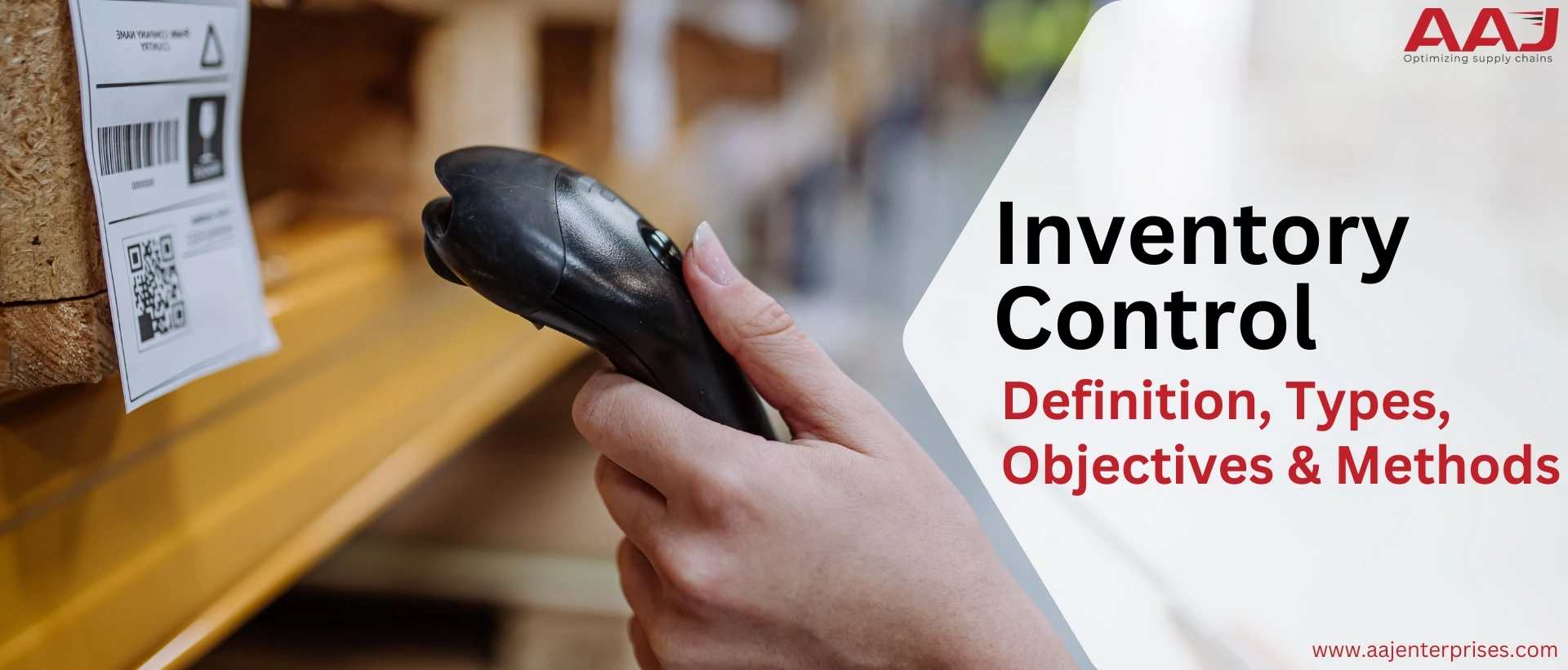
Inventory control is the operational discipline of keeping physical inventory, inventory records and stock movements accurate and aligned. It helps businesses know what they have, where it is stored, how much is available and what has changed as inventory moves through the operation.
Effective inventory control supports accurate replenishment, order fulfillment and stock decisions while reducing avoidable discrepancies, losses and inventory-related disruptions.
What Is Inventory Control?
Inventory control is the set of processes used to track, store, move, count and protect inventory so that physical stock remains accurate, accessible and properly controlled.
It applies to inventory throughout the operation, including raw materials, work-in-progress (WIP), finished goods and maintenance, repair and operations (MRO) supplies. The controls required can differ by inventory type. Raw materials require production availability and lot tracking, finished goods require precise location and order control, while MRO supplies need to remain available to support ongoing operations.
Inventory control includes activities such as recording stock movements, maintaining accurate storage locations, checking physical quantities, identifying discrepancies and controlling damaged, aging or excess inventory.
The objective is not simply to reduce holding costs. Effective inventory control balances stock accuracy, availability, storage and handling requirements, shrinkage, damage, obsolescence, carrying costs and required service levels.
Inventory Control vs Inventory Management
Inventory control and inventory management are closely related, but they differ in scope. Inventory management is the broader discipline, while inventory control focuses more specifically on the accuracy, movement, storage and condition of inventory already within the operation.
| Inventory Management | Inventory Control |
|---|---|
Broader discipline | Operational subset |
Decides what and how much inventory to stock | Controls inventory already held |
Demand planning | Stock tracking |
Purchasing and replenishment | Receiving and put-away accuracy |
Supplier planning | Storage-location control |
Inventory policies | Counting and reconciliation |
Stock-level planning | Movement and transaction accuracy |
Service-level decisions | Shrinkage and traceability control |
For example, deciding how much inventory a business should purchase next month is an inventory management decision. Verifying the quantity received, recording its storage location and ensuring the system reflects each subsequent movement are inventory control activities.
The two functions overlap in practice managed through the same team or systems. The distinction is mainly about scope and purpose, not organizational structure.
What Are the Objectives of Inventory Control?
The primary objective of inventory control is to keep stock accurate, available and properly controlled throughout warehouse operations. Key objectives include:
1. Maintain Inventory Accuracy
Ensure that physical inventory matches system records by accurately recording receipts, movements, adjustments and issues. Reliable records are essential for knowing what stock is actually available.
2. Keep Stock Available and Accessible
Maintain the required inventory in the correct location so products can be found and issued when needed. Good location control also reduces unnecessary searching and handling.
3. Reduce Shrinkage, Damage and Loss
Track and protect inventory to identify losses caused by theft, misplacement, damage or handling errors. Regular checks can help identify discrepancies before they become larger problems.
4. Control Unnecessary Inventory and Storage Costs
Inventory control helps identify excess, ageing or poorly positioned stock so businesses can avoid using more storage capacity than necessary and limit avoidable carrying costs.
5. Improve Order and Warehouse Execution
Accurate stock and location information supports receiving, picking, ecommerce order fulfillment and dispatch. When the system reflects physical inventory correctly, warehouse teams can make operational decisions with greater confidence.
6. Maintain Traceability Where Required
Businesses handling regulated, serialized, batch-controlled or expiry-sensitive products need to trace inventory through specific movements or locations. Appropriate records and controls help maintain that traceability.
7. Provide Reliable Stock Data for Replenishment
Inventory control does not determine future demand, but it provides the accurate stock information needed for replenishment decisions. Without reliable on-hand quantities and movement records, reorder calculations can be based on incorrect data.
How Does Inventory Control Work?
Inventory control works as a continuous cycle of recording, verifying, monitoring and reconciling inventory. The process keeps system records aligned with physical stock and helps identify problems before they affect operations.
1. Establish Item and Location Records
Each SKU should have a reliable identifier and defined storage location. Where relevant, the inventory record can also include attributes such as batch, lot, serial number or expiry date.
2. Receive and Verify Inventory
When goods arrive, the receiving team checks the SKU, quantity, condition and other required attributes against the purchase order, shipment or receiving documentation. Any discrepancies should be identified before the inventory is put away.
3. Put Inventory Away Correctly
After verification, inventory is moved to its assigned storage location. The system should be updated so that the recorded location matches the physical location of the stock.
4. Record Every Inventory Movement
Inventory records should be updated whenever stock is moved, picked, transferred, adjusted, damaged, returned or dispatched. Consistent transaction recording helps maintain an accurate picture of available inventory.
5. Monitor Stock Status
Inventory control should distinguish between different stock conditions, such as:
- Available stock
- Reserved stock
- Damaged stock
- Blocked or held stock
- Ageing stock
- Low-stock items
This prevents inventory that cannot be used or sold from being treated as freely available.
6. Count and Reconcile Inventory
Physical inventory should be counted periodically and compared with system records. Businesses can use cycle counting for regular checks or perform broader physical counts where appropriate.
7. Investigate Variances
When physical and recorded quantities differ, the discrepancy should be investigated rather than simply corrected in the system. Possible causes include receiving errors, picking mistakes, incorrect locations, unrecorded transfers, damage, theft or shrinkage, and system errors.
8. Trigger Replenishment or Corrective Action
Once inventory information is reliable, businesses can use it to trigger replenishment when stock reaches defined thresholds or take other corrective action when discrepancies, damage or ageing inventory are identified.
Inventory control is therefore more than counting stock. It is the ongoing process of keeping inventory records, physical stock and inventory movements aligned.
What Technology Supports Inventory Control?
Technology can strengthen inventory control by making stock identification, movement recording, location management and monitoring more consistent. The right setup depends on the operation; effective inventory control does not require every available technology.
| Control Requirement | Technology |
|---|---|
Identify items | Barcode and RFID |
Record inventory movements | Mobile scanning devices |
Manage storage locations | WMS |
Connect inventory with business transactions | ERP and system integrations |
Monitor inventory across locations | Cloud-based inventory systems |
Track temperature or other conditions | IoT sensors |
Identify demand or movement patterns | Analytics |
Trigger stock or exception alerts | Inventory rules and dashboards |
Barcode, RFID and Mobile Scanning
Barcodes and RFID can help identify individual products, cartons, pallets or assets, depending on the application. Mobile scanning devices allow warehouse teams to record transactions as inventory is received, moved, picked, transferred, returned or dispatched, creating a more reliable transaction trail.
Warehouse Management System (WMS)
A WMS can maintain inventory quantities and storage locations while coordinating warehouse transactions such as receiving, put-away, transfers, picking and dispatch. This gives teams a centralized operational record of where inventory should be and how it has moved.
ERP and Inventory System Integration
ERP systems connect inventory information with transactions such as purchasing, sales and other business processes. Integrating the relevant systems can reduce duplicate data entry and help keep inventory information consistent across connected operations.
Cloud-Based Inventory Systems
Cloud-based systems can provide access to inventory information across connected locations and devices. This can be particularly useful for businesses managing inventory across multiple warehouses, stores or other operating sites.
IoT Sensors
IoT sensors can capture environmental or equipment data where inventory requires additional monitoring. For example, temperature and humidity sensors can help monitor conditions for products that are sensitive to their storage environment.
Analytics and Inventory Alerts
Analytics can identify patterns in stock movement, ageing or discrepancies, while inventory rules and dashboards can alert teams when stock reaches defined thresholds or when exceptions require investigation.
AI and predictive analytics can support demand forecasting, anomaly detection or other inventory decisions, but they are not a core requirement for effective inventory control. A business can maintain strong control with accurate master data, barcode scanning, disciplined processes, a suitable WMS and regular cycle counting.
Common Challenges in Inventory Control
Inventory control becomes difficult when businesses cannot maintain a reliable connection between physical stock, inventory records and actual inventory movements. Common challenges include:
1. Inventory Inaccuracies and Transaction Errors
Manual data entry, counting mistakes, incorrect quantities or wrong SKU identification can cause system records to differ from physical stock. Even small errors can affect replenishment, picking and order decisions when they accumulate over time.
2. Unrecorded Stock Movement
Inventory can be physically moved without the corresponding system transaction being recorded. For example, a transfer completed between two locations but remains unchanged in the system, creating incorrect availability and location information.
3. Demand Variability
Changes in demand can make it difficult to maintain the right level of available inventory. Unexpected increases can create shortages, while weaker demand can leave businesses holding stock longer than planned.
4. Multi-Location Complexity
Inventory control becomes more difficult when stock is spread across multiple warehouses, stores, distribution centers or third-party locations. Teams need consistent location records and transaction processes to know where inventory is actually available.
5. Slow-Moving and Obsolete Inventory
Inventory that remains unused for extended periods can occupy storage space and tie up working capital. Products with limited shelf life, changing specifications or declining demand eventually become difficult to sell or use.
6. Shrinkage and Damage
Inventory can be lost through theft, misplacement, handling errors or other forms of shrinkage. Damaged goods also need to be identified and removed from available inventory records so unusable stock is not treated as sellable or usable.
7. Supply Disruptions
Supplier delays, transportation interruptions, natural events and other disruptions can affect inventory availability and replenishment. Effective control helps businesses identify the resulting stock changes quickly and distinguish actual shortages from problems caused by inaccurate records.
How Can Businesses Improve Inventory Control?
Effective inventory control depends on consistent records, disciplined transaction handling and regular verification. Businesses can strengthen control by applying the following practices:
1. Standardize Inventory Records
Use consistent SKU codes, units of measure, storage locations, batch or lot information and inventory status codes across the systems and locations involved. Standardized records reduce ambiguity and make inventory easier to identify and track.
2. Record Inventory Movements Immediately
Update inventory records when stock is received, moved, transferred, picked, damaged, returned or dispatched. Avoid situations where physical transactions happen first and system updates are entered later, as these gaps can create inaccurate availability and location information.
3. Use Cycle Counting
Regularly count selected inventory and compare the physical quantities with system records. Counting frequency can be based on factors such as inventory value, movement rate, criticality or risk, rather than treating every SKU in the same way.
4. Segment Inventory
Use an appropriate classification method to determine the level of control each item requires. Depending on the operation, this could include ABC analysis, FSN analysis, product criticality or expiry characteristics.
5. Set Clear Receiving and Put-Away Procedures
Inventory accuracy starts when stock enters the operation. Verify incoming quantities, product identity and relevant attributes before putting items away, and make sure the recorded storage location matches the physical location.
6. Control Inventory Adjustments
Manual inventory adjustments should have a defined reason and appropriate authorization. Changes caused by damage, discrepancies, write-offs or other exceptions should be documented so unusual adjustments can be reviewed and investigated.
7. Monitor Ageing and Slow-Moving Stock
Review inventory ageing and movement regularly to identify products that are becoming slow-moving or at risk of obsolescence. Early identification gives the business more options for reallocating, selling, consuming or otherwise managing the stock.
8. Train Warehouse Teams
Training should focus on process discipline, including receiving, scanning, location control, inventory movements, counting, exception handling and documentation. Consistent execution is essential for keeping physical stock aligned with system records.
9. Use Technology Where It Solves a Real Control Problem
Use barcode or RFID scanning, WMS capabilities, dashboards or other technology where they address a specific control weakness. The objective is not to automate every inventory activity, but to make identification, transaction recording, visibility and reconciliation more reliable.
How AAJ SCM Supports Inventory Control
AAJ Supply Chain Management supports inventory control through warehouse processes and technology designed to keep inventory movements, records and physical stock aligned. Its current warehousing offering includes scanning-based operations, live data visibility, ERP integrations and regular internal operations audits.
Inventory Receiving and Verification
AAJ uses scanning-based warehouse operations to record inventory activity as goods move through the facility. This supports product identification and verification during warehouse transactions.
WMS-Enabled Inventory Management
AAJ's in-house Warehouse Management System (WMS) provides centralized visibility into warehouse and inventory activity. The WMS can integrate with ERP systems where required, helping connect warehouse information with relevant business processes.
Stock Visibility and Reporting
Live data visibility allows businesses to monitor inventory information within the managed warehouse operation rather than relying entirely on delayed manual updates. This supports stock monitoring and operational decision-making.
Inventory Accuracy and Audits
Scanning-based processes and regular internal operations audits provide additional controls for maintaining inventory records and identifying discrepancies.
Inventory Through Fulfillment and Returns
Inventory control continues beyond storage. AAJ's fulfillment operations connect inventory with order processing and dispatch, while its returns operation uses WMS-based processes, scanning and verification to bring returned stock back into controlled inventory workflows where applicable.
The specific inventory-control setup should be based on the business's products, locations, transaction volumes and operational requirements.
Conclusion
Effective inventory control is about keeping physical stock and inventory records aligned throughout every stage of warehouse operations. Accurate receiving, location control, movement tracking, regular counting and timely corrective action help businesses maintain reliable stock information without losing sight of availability and cost.
For businesses that need stronger inventory visibility and control, the right combination of disciplined processes, appropriate technology and warehouse expertise can make inventory operations more reliable and easier to scale.
Frequently Asked Questions
Inventory management is the broader discipline covering demand planning, purchasing, replenishment and inventory policies. Inventory control focuses on keeping physical stock, inventory records, locations and movements accurate and aligned.