
Warehousing is an important part of supply chain management, but not every product needs to spend days or weeks in storage before reaching its destination.
Short shelf life, unpredictable or seasonal demand, promotional requirements or known customer orders can require rapid movement of products through the supply chain. In these instances, cross-docking offers the benefit of minimizing storage and streamlining the flow of products from supplier to next destination.
The term ‘cross-docking’ is significant when it comes to 3PL's business, as the logistics provider is able to combine, separate and reroute goods with minimal traditional storage.
What Is Cross-Docking?
Cross-docking is a logistics strategy in which products received from inbound shipments are sorted, consolidated and transferred to outbound shipments with little or no intermediate storage.
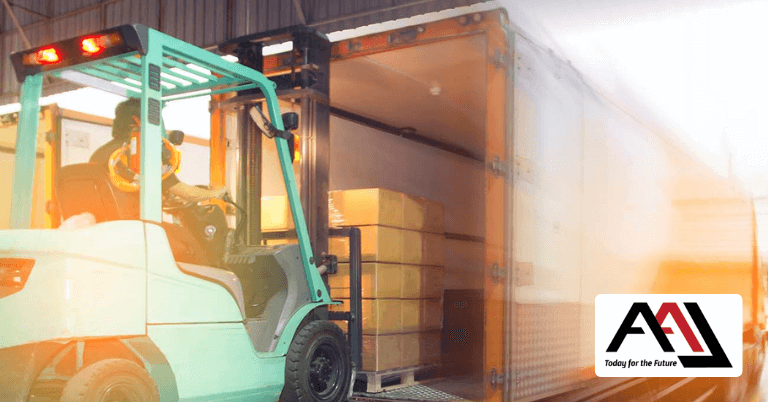
Instead of storing a product in a warehouse, picking it up later and then sending it to the correct outbound dock, a cross-dock facility has products moving directly from the inbound dock to the correct outbound dock.
The typical cross docking process involves:
Inbound receiving → Sorting and verification → Consolidation → Outbound staging → Dispatch
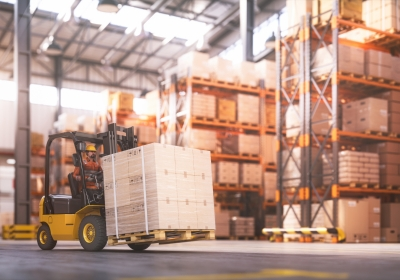
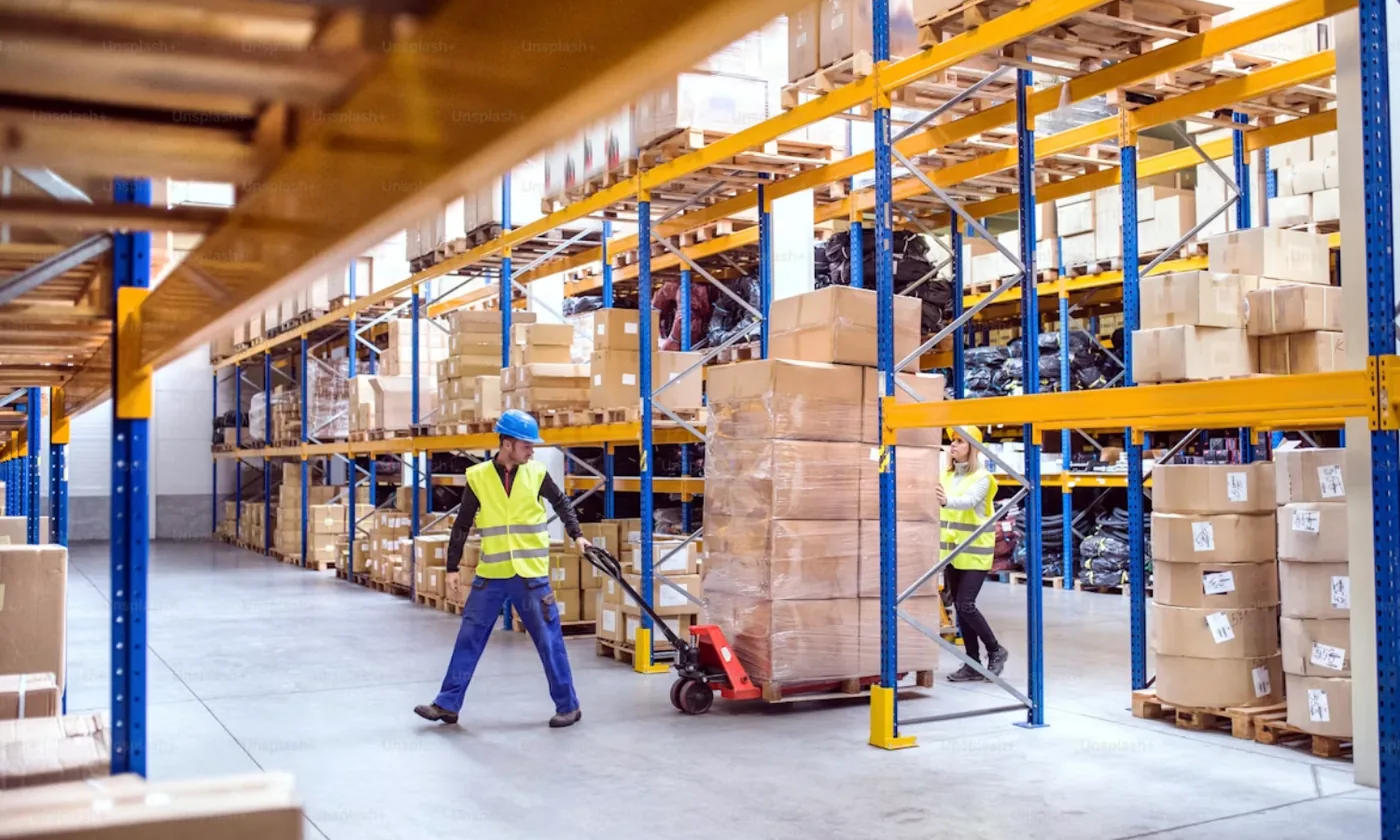
Products can be handled with forklift, pallet truck, conveyors, scanning systems, or any other material handling equipment, depending on the operation.
Objective is to move products, not just sit in inventory.
When is Cross-Docking Useful?
Cross-docking can be especially beneficial in situations where goods must be moved swiftly, or where demand is already forecasted.
Common examples include:
Short-shelf-life products: Fresh food and other products that may get deteriorating during long storage.
High demand or seasonal products: Products that require distribution in a timely fashion during seasonal peaks.
Promotional and campaign inventory: Products that are part of a promotion or high volume sales campaign.
Pre-sold/allocated inventory: Goods that have a known destination or customer requirement.
Products that must be distributed quickly: Products that must be sent to regional distribution centres as soon as possible without storage.
Not all products can be handled using cross-docking. When choosing a logistics company, businesses must take into account the predictability of demand, volume of shipments, product attributes, transportation times and logistics network capabilities.
Types of Cross-Docking
The forms of cross-docking will vary based on the source of goods, destination and the level of consolidation and sorting needed.
1. Manufacturing Cross-Docking
Manufacturing cross-docking supports production operations by moving incoming materials, components, or sub-assemblies toward manufacturing facilities with minimal storage.
This can help to ensure that the necessary materials arrive at the production at the right time and minimize the need to hold inventory.
2. Distribution Cross-Docking
Distribution cross-docking involves the receiving, sorting and consolidation of shipments from a number of suppliers based on the destinations of the shipments.
For instance, products from multiple vendors can be sent in a single outbound shipment to a regional distributor or customer.
This can optimize the usage of the vehicles involved and minimize the need for individual shipments.
3. Retail Cross-Docking
Retail cross-docking is the ability to receive goods from several sources and move them to retail locations with minimal delays.
It could be helpful for items that move quickly like food ingredients and grocery items and for seasonal products that must be delivered to stores in a given time frame.
4. Opportunistic Cross-Docking
Opportunistic cross docking is the practice of allocating any product shipped in to an assigned outbound shipment or customer, as soon as it arrives.
The shipment is delivered directly to its necessary destination out of the warehouse without being placed in storage and removed later.
This can be particularly helpful when demand is already known and an effective coordination of the inbound and outbound schedules is possible.
The six major benefits of cross docking are
1. Faster Product Movement
The cross-docking shortens the product’s time in the logistics system.
Businesses can streamline some of the receiving and storage processes and possibly enhance order fulfillment speed as goods can transit directly from receiving to outbound dispatch. This can be especially useful for products that need to be sold at a specific time and for large volume orders that are scheduled in advance.
2. Reduces Warehousing and Storage Costs
Conventional warehouses have the costs of the space, inventory management, utilities, equipment and other resources used in the warehouse.
If a product flow is appropriate, cross-docking can be used to minimize the need for traditional storage. While it doesn't eliminate the need for warehouses, it can prevent unnecessary storage in the business where products can flow through the system.
3. Reduces the inventory holding costs
Products with shorter storage times will need less storage space and may have lower carrying costs.
This can be very helpful in the case of products with a short shelf life, or products for which it is known where they are going. Therefore, cross-docking can be used in conjunction with inventory strategies that aim to minimize holding of unnecessary inventory.
4. Reduces Handling and Damage Risk
Each subsequent handling and storage action may provide another chance for products to be lost, damaged, or misprocessed.
Cross-docking can help to minimize risks associated with handling by minimizing unnecessary movement and storage. But that requires an accurate receiving, sorting, scanning and loading process.
5. Improves Shipment Consolidation
Cross-docking may combine items from various suppliers and bundle them into outbound shipments by destination.
Even greater consolidation can help to maximize the use of transportation and minimize the need to ship multiple, light loads. This is especially useful in a distribution network that provides several stores, customers or regional sites.
6. Can Improve Labor and Operational Efficiency
In fact cross-docking can minimize the need for laborious putting away and subsequent pick-up operations since goods can be transferred directly from inbound to outbound docks. But skilled coordination, receiving, sorting, staging and loading are still required.
The aim is not just to cut down on staff, but to eliminate unnecessary activities of the warehouse and optimise the use of resources.
What Makes Cross-Docking Successful?
Cross dock operations demand a great amount of coordination between suppliers, logistics service providers, warehouse staff, carriers and customers.
Several factors are particularly important:
Accurate Shipment Information
Information for inbound and outbound shipment must be correct to ensure that products can be identified and shipped to the appropriate location.
Coordinated Transportation
Inbound/Outbound Schedules must be synchronized. Waiting on one end can cause congestion on the other end or waiting time.
Efficient Material Handling
Unloading, sorting and scanning, staging and loading products must be efficient to ensure continuous flow.
Technology and Visibility
Cross-docking coordination with barcode scanning, warehouse management systems, transportation systems and real-time shipment visibility can help minimize cross-docking errors.
Predictable Demand
Cross-docking is ideal for those products that are known to be destined for the same location or for the same purpose.
If the products are not coordinated or if there is no visibility of demand, the products can get stuck at the cross-dock facility which will reduce the benefits.
Cross-Docking vs Traditional Warehousing
The main difference is the time products spend in the facility.
| Traditional Warehousing | Cross-Docking |
|---|---|
Products are received and stored | Products are received and quickly redirected |
Inventory may remain in storage | Little or no intermediate storage |
Put-away and retrieval are required | Put-away may be avoided |
Suitable for inventory that needs to be held | Suitable for products with known or immediate demand |
Greater storage requirement | Lower storage requirement for suitable flows |
More inventory handling stages | Fewer handling stages |
Depending on the product, demand pattern, supply chain design and requirements of the service, a choice should be made between the two. In many of these networks cross-docking and traditional warehousing are used in tandem, not in opposition.
Conclusion
Cross docking is a supply chain approach to maintaining proper product flow through the supply chain with little storage.
With less intermediate storage, businesses may be able to optimize the flow of products, minimize storage and handling needs, reduce inventory holding costs and enhance transportation efficiency. But cross-docking isn't all about speed. It demands information, coordination, material handling, technology and demand.
When these conditions are present, cross-docking can be a valuable component of a modern logistics and 3PL network, particularly for time-sensitive, high-volume, seasonal, or pre-allocated products.