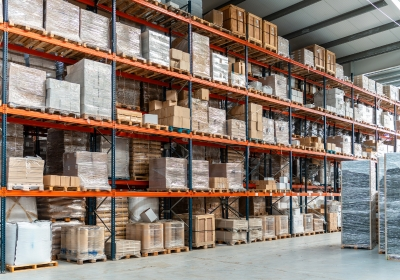


An organized warehouse is essential for efficient supply chain and fulfillment operations. The way inventory, equipment, workspaces and processes are arranged can directly affect productivity, safety, inventory accuracy and order fulfillment.
Organized warehouse operations can be challenging as they become more complex. Wasted time, congestion, errors and safety hazards can all be caused by stock organization, unnecessary materials on the shelves, unclear storage and inconsistent processes.
The 5S system is a workplace structure that is used to create and keep a clean, organized and efficient workplace. 5S is a framework based on the Toyota Production System that is associated with the Japanese practice of eliminating the unnecessary, organizing the essentials, cleaning up the workplace, standardizing the processes and sustaining these improvements over time.
What is 5S in Warehouse Management?
5S is a workplace organization method that includes 5 principles:
- Sort (Seiri)
- Set in Order (Seiton)
- Shine (Seiso)
- Standardize (Seiketsu)
- Sustain (Shitsuke)
These principles can be used in a warehouse for inventory, storage areas, equipment, work stations, aisles, inventory documentation and daily operations.
The goal isn't just to make the warehouse clean. When 5S is done right, it can help minimize unnecessary motion, increase visibility, increase uniformity of processes and help to make the work more safe and effective.
Why Does 5S Matter in Modern Warehouse Operations?
An efficient warehouse can't be achieved without the proper organization of its physical environment and processes.
5S will address some of the basic root causes of operational inefficiency.
Improves Operational Efficiency
If products, tools and equipment have specific places, employees have less time to look for what they need. This can help with the flow of materials and to enable quicker picking and fulfillment.
Optimizes Warehouse Space
Eliminating excess materials and maintaining a neat inventory can help maximize space usage of racks, shelves, floor space and other storage areas.
Improves Workplace Safety
Avoidable hazards can be minimized and a safer working environment can be created through clear aisles, storage areas, housekeeping and maintaining equipment.
Supports Inventory Accuracy
When inventory is stored in a way that is clearly defined and has a consistent procedure inventory can be more easily located, counted and managed.
How to Implement 5S in a Warehouse
1. Sort (Seiri)
Sorting is a process of recognising what is needed and removing what isn't.
Begin by looking at the inventory, tools, packaging materials, equipment, documents and other products that are taking up warehouse space. Unused equipment, empty containers, damaged materials, obsolete inventory and unnecessary items should be removed or relocated.
This will help to alleviate congestion and reduce clutter and provide easy access to useful space.
Sorting does not need to be seen as a one-off clean up. It's important to regularly inspect stock in storage areas or working areas to ensure that they still need to be in the warehouse.
2. Set in Order (Seiton)
Set in Order: Organize items that are needed to be easily accessible and in place when needed and easily returned when finished.
Each item of inventory, tool or equipment should be assigned to a specific area. Labels, signs, barcodes or other methods of visual management can be used to identify storage locations.
Teams in the warehouse can also arrange their stock according to the following factors:
- Product type
- SKU
- Size and weight
- Order frequency
- Handling requirements
- Storage conditions
If there are picking and dispatching zones, the high-speed products can be placed nearer to the zones to minimize the distance practice for picking and dispatching.
The objective is straightforward – the employee working at a warehouse should know where to place an item without having to guess.
3. Shine (Seiso)
Shine emphasizes cleanliness, organization and proper maintenance of the warehouse.
Normal clean-ups include work areas, racks, shelves, floors, equipment, conveyors and areas where the equipment is being used.
Cleaning may also be used as an inspection activity. As the employees are cleaning, they can find broken racks, leaking equipment, obstructed aisles, broken tools, or other conditions that could impact safety or operations.
Assigning tasks and establishing schedules can help prevent housekeeping from relying on task reminders from individual staff members.
4. Standardize (Seiketsu)
Standardize: Ensure that procedures have been established to maintain the first three S's.
Standard operating procedures (SOPs) are guidelines that should be documented to be readable and meaningful in warehouse processes. Using visual controls, checklists, labels, floor markings, schedules and other simple tools can keep workers on the right track to ensure they always do the right thing in the right place at the right time.
Standardization can include activities like:
- Inventory placement
- Cleaning schedules
- Equipment inspections
- Labeling
- Workplace organization
- Safety checks
Training is also key. It is important for employees to know not only what the standard is, but why it is important to the operation.
5. Sustain (Shitsuke)
Sustain is the idea of "keeping up" the standards set in the first four steps.
This can be the most challenging aspect of 5S, as warehouse organization can deteriorate over time unless processes are monitored and reinforced.
Businesses can sustain 5S by:
- Conducting regular audits
- Reviewing workplace standards
- Tracking recurring issues
- Providing refresher training
- Assigning ownership of specific areas
- Recognizing good practices
- Taking corrective action when standards are not followed
The goal is to incorporate 5S into the warehouse's normal operating routine and not a periodic cleaning spree.
Tools and Technologies That Support 5S
5S is a process and workplace organization methodology, which can be supported by technology in its implementation and maintenance.
Warehouse Management System (WMS)
The WMS can offer visibility of inventory locations and stock movements, receiving, picking and the rest of the warehouse activities. This can help with the organised storage and handling principles of 5S.
Barcode and RFID Technology
Barcodes and RFID can be used to track inventory and storage areas, increase visibility and minimize manual data entry and picking mistakes.
Visual Management Tools
Warehouse standards can be improved with the help of labels, floor markings, location identifiers, signage, dashboards and checklists.
Maintenance and Inspection Tools
Routine inspection and maintenance processes can be used to detect equipment or infrastructure problems before they cause bigger operational or safety issues.
The goal is to use technology to facilitate the 5S approach and not to supplant it. Having a complex system in place is a great thing in a warehouse, but it won't organize it by itself if employers don't know where to put items, how to get to them and who is responsible for them.
Common Mistakes to Avoid During 5S Implementation
1. Treating 5S as a One-Time Cleanup
A one time warehouse clean and tidy is not a 5S (Sustainable) system. The standards need to be maintained continuously.
2. Limited Management Involvement
When there is no active management support for 5S, employees may consider it as an extra work activity instead of the important activity of operations. Clarify expectations and engage in review and improvement efforts.
3. Inadequate Employee Training
Employee must have an understanding of the system and expectations. If not properly trained, 2 teams could have different practices, which would decrease the consistency that 5S is supposed to bring.
4. Making the System too Complicated
If too much information is provided as documents, too many steps are required or visual controls are too complicated, 5S can be hard to follow. Generally, systems are kept reasonably simple so that employees can easily understand and apply them.
5. Ignoring the "Sustain" Stage
Immediately after implementation, a warehouse may appear orderly, but with no monitoring of standards it will slowly become disorderly again. It is therefore necessary for there to be regular audits, ownership and corrective action.
How 5S is beneficial for the efficiency in the warehouse.
If applied regularly, 5S can be a part of the following operational improvements:
Faster Material Movement
Clear and logical storage areas make it easier for staff to find, move, pick and put away goods.
Better Space Utilization
Simplifying and streamlining the space in and around a warehouse can help it function more efficiently.
Improved Safety
Avoidance of hazards in the workplace can be achieved through clear aisles, designated areas, organized work areas and regular equipment inspections.
Reduced Operational Waste
Unnecessary movement and waiting can be minimized by spending less time searching for products, tools, documents or equipment.
Better Employee Experience
A neat and tidy environment can help make the day-to-day tasks easier to 'read' and perform, decreasing confusion and unnecessary stress.
More Consistent Operations
Standardized processes ensure that all employees and shifts are working in the same way, which helps to create more predictable warehouse performance.
How to Sustain 5S in a Warehouse
It is important to continually monitor progress to ensure that 5S is successful. Warehouse managers can set up regular 5S checks to evaluate: Organization; Cleanliness; Storage; Labelling; Safety and Standard procedures.
The next step in the process is to translate the performance observations into corrective actions and improvement initiatives.
It is best that 5S is integrated into regular warehouse management and not used as a project. The benefits are more likely to be sustained when sorting, organization, housekeeping, standardization and continuous improvement are part of the daily work.
Conclusion
5S provides a structured way to create a more organized, efficient and safer warehouse environment.
Warehouses can minimise waste and streamline operations by sorting out unnecessary items, prioritising essential resources, keeping the work area tidy, standardising processes and upholding that standard. Of course, technology like WMS, barcode systems, RFID and visual management tools can help support these practices, but ultimately implementing successful 5S implementation is all about clear standards, employee involvement, management support and discipline.
The goal is not simply to have a cleaner warehouse. It is to build a workplace where people can find what they need, follow the right process, work safely and move inventory efficiently.