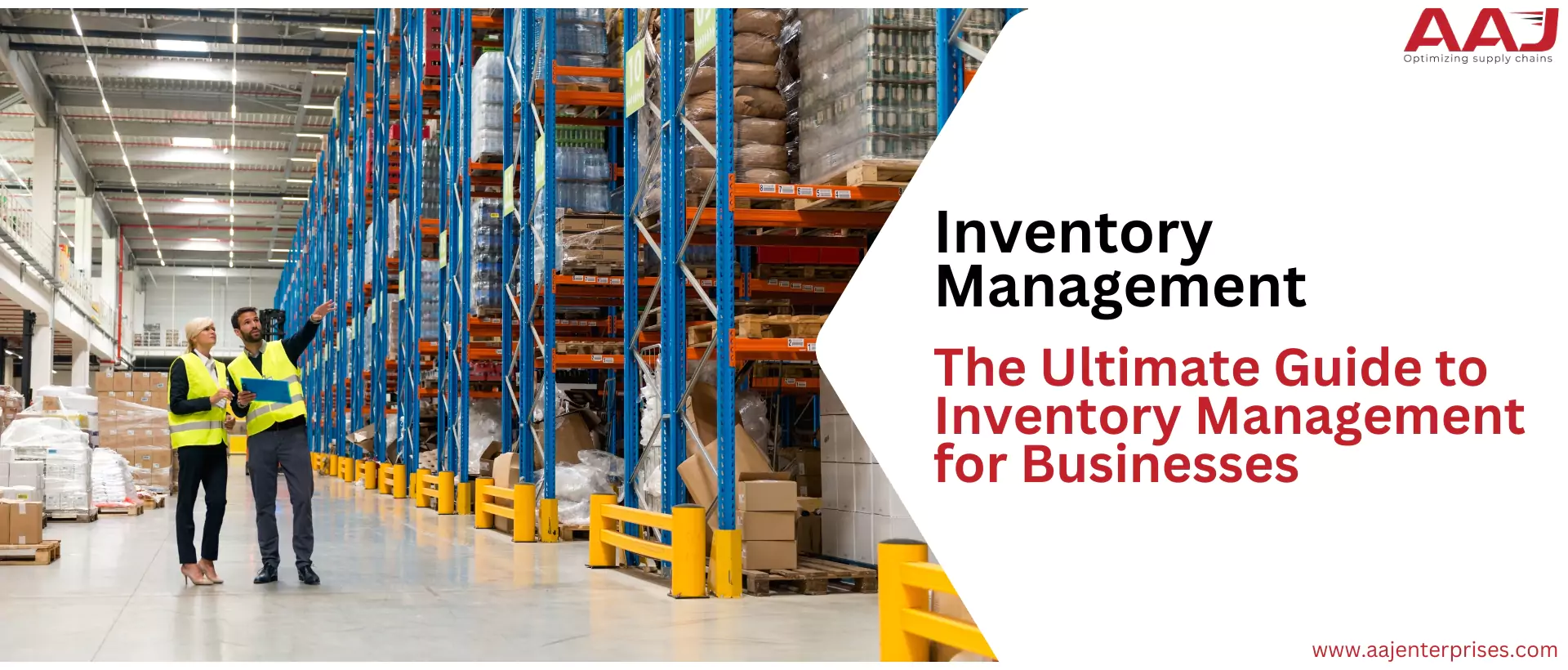

Inventory refers to the raw materials, components, or finished goods a business holds to meet customer demand or support production. Maintaining the right inventory level is essential for smooth operations. Overstocking increases storage and holding costs, while insufficient inventory can lead to stockouts, delayed orders and dissatisfied customers.
That's where inventory management models can come in handy. They offer businesses a framework for calculating the amount of stock needed, when to buy more and what items to focus on.
What Are Inventory Management Models?
A model used for ordering, replenishing, producing or prioritizing inventory.
Some models employ mathematical calculations to identify the optimal order quantity and/or reorder level, while others assist businesses in prioritizing inventory based on value and/or demand.
The goal is to keep sufficient stock to satisfy demand and not to be associated with capital and room used to unneeded degree.
Common Inventory Management Models
- Economic Order Quantity (EOQ)
The Economic Order Quantity (EOQ) is a model that calculates which is the most economical quantity of any given product or service that a business should buy or order at one time, taking into account the costs of holding inventory and ordering the product or service.
EOQ = √(2DS/H)
Where:
- D = Annual demand
- S = Ordering cost per order
- H = Annual holding cost per unit
For example, if a bookstore sells 14,000 books annually, the ordering cost is ₹200 per order, and the annual holding cost is ₹5 per book:
EOQ = √(2 × 14,000 × 200 / 5) ≈ 1,058 units
The business would therefore order approximately 1,058 books per replenishment cycle under the model's assumptions.
EOQ is most useful when demand and costs are relatively stable.
2. Economic Production Quantity (EPQ)
The Economic Production Quantity (EPQ) model is applied when the inventory is manufactured in-house and not bought through one big order from a supplier.
It estimates a proper production batch size which takes into account production rate, demand, setup costs and holding costs.
EPQ = √[(2DS / H) × (P / (P − D))]
Where:
- D = Annual demand
- S = Setup cost per production run
- H = Annual holding cost per unit
- P = Annual production rate
For example, a manufacturer with annual demand of 12,000 units, setup cost of ₹600, holding cost of ₹3 per unit, and production capacity of 24,000 units per year would have an EPQ of approximately 3,098 units.
EPQ is more applicable to the manufacturing companies that make products in batches.
3. Reorder Point (ROP)
Reorder Point (ROP): A model that is used to decide on the level of inventory to order when leaving it at a level that it is replenished before it is depleted.
ROP = (Average Daily Demand x Lead Time) + Safety Stock
For instance, if a retailer sells 100 units per day, the supplier takes 5 days to deliver and the retailer has a safety stock of 200 units:
ROP = (100 × 5) + 200 = 700 units
The retailer should thus reorder when the inventory level gets close to 700 units.
ROP is especially valuable in minimizing stockout risks and taking into account the supplier response time.
4. Just-in-Time (JIT) Inventory
Just-in-Time (JIT) is a method of inventory management in which businesses try to receive or manufacture inventory as close to the time it is required as possible.
Keeping stock levels low can lower stock holding costs and storage space. For perishable goods or companies with consistent demands and suppliers, JIT can be especially beneficial.
Less buffer inventory means, however, that unplanned demands can raise the risk of stockouts, as can disruptions to suppliers. This means that close co-ordination between supplier(s) and other supply chain partners is required for JIT.
5. ABC Analysis
ABC analysis is a classification of inventory based on the relative value or importance, which enables different degrees of control over the various items in stock.
- A Items: High-value or high-impact items requiring close monitoring.
- B Items: Medium-value items requiring moderate control.
- C Items: Lower-value items that can generally be managed with simpler controls.
For instance, if the consumption of three products are ₹14,000, ₹9,000 and ₹4,000 per year, respectively, then the higher valued products would see higher inventory-management attention.
ABC analysis should be interpreted as a prioritization system and the percentages applied to each category will vary depending on the type of business.
How Do Inventory Management Models Improve Business Operations?
Businesses can benefit from using the appropriate inventory management model by:
Reduce Inventory Costs
EOQ and other replenishment strategies can be used to balance ordering costs and holding costs and minimise unnecessary stock.
Prevent Stockouts
ROP assists businesses in deciding when it's time to reorder in response to demand, lead time and safety stock.
Improve Working Capital
Effective inventory management helps avoid the over-investment of capital in dead capital stock or stock that isn't necessary for the business.
Improve Customer Service
Ensuring that the inventory is maintained appropriately allows businesses to deliver orders in time and help them to avoid any delays that could be brought about by the lack of stock.
Reduce Waste
Improved inventory management can minimise spoilage, obsolescence and product holding, especially with perishables or short-lived product.
How to Choose the Right Inventory Management Model?
No business is alike by any means. The correct way will rely on the type of inventory and the business goal. It's important to take the following things into account:
Demand Pattern: Where demand is stable and predictable, then EOQ can be appropriate, but if demand is extremely variable, then the forecasting and safety-stock approaches will need to be more robust.
Product characteristics: Perishable, seasonal, high value and high speed products might need different approaches.
Supplier lead times: When reordering times are long or unpredictable, reorder points and safety stocks become more critical.
Business objective: When the goal is to optimize order quantities then EOQ might be helpful. ROP may be a better way to go if the goal is to avoid running out of stock. ABC analysis can be used to prioritise inventory by value.
Businesses can also combine different approaches. For example, ABC Analysis can prioritize inventory, EOQ can determine order quantity, and ROP can determine when to reorder.
Key Challenges in Inventory Management
Inventory management models depend on reliable information and consistent processes. Some common challenges include:
- Inaccurate data: Incorrect stock, demand, or lead-time information can lead to poor decisions.
- Unpredictable demand: Sudden changes in customer demand can result in overstocking or stockouts.
- Supply disruptions: Supplier delays and transportation issues can affect planned replenishment.
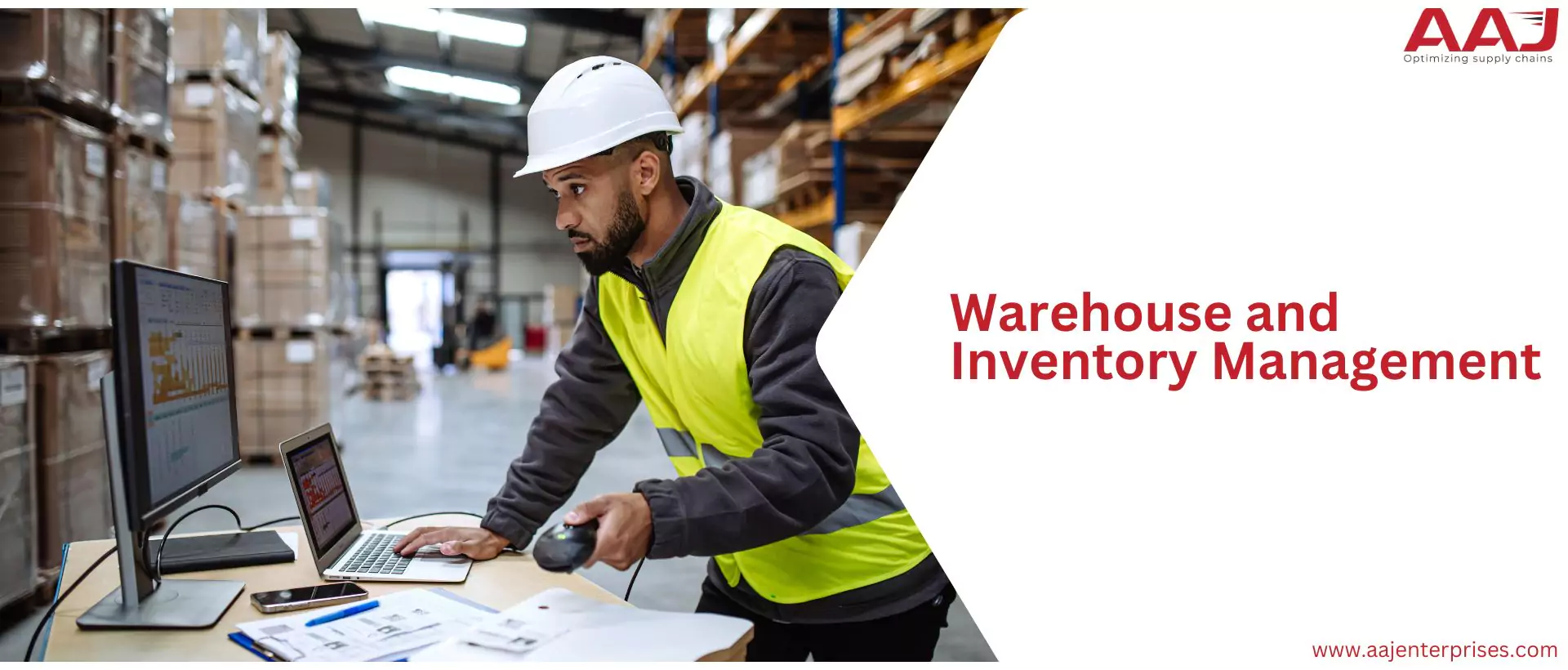
- Technology limitations: Larger operations may require WMS, ERP, barcode systems and analytics to maintain accurate inventory information.
Conclusion
Inventory management models help businesses make better decisions about how much stock to maintain, when to replenish it and which inventory requires greater control.
EOQ, EPQ, ROP, JIT and ABC Analysis each address different inventory-management requirements. The most effective approach depends on demand patterns, product characteristics, lead times and business objectives.
With the correct model chosen, or models combined, companies can increase the availability of their products, save on costs, limit waste and enable more effective warehouse and supply chain management.