
As an ecommerce business grows, managing inventory, warehousing, order processing, packing and shipping in-house can become increasingly complex. What may begin with a small team handling every order can eventually require dedicated infrastructure, technology and operational expertise.
That's where an ecommerce fulfillment service partner can come into play. Outsourcing to a third-party logistics (3PL) company gives companies access to the warehousing infrastructure and fulfillment capabilities without having to construct and manage their own.
But selecting the right partner is not just about comparing storage space or fulfil prices. The right provider should match your order volume, product needs, customer expectations, technology needs and future growth.
What Does an Ecommerce Fulfillment Partner Do?
An ecommerce fulfillment company manages part or all of the tasks involved in getting an online order to the customer.
Depending on the provider and business requirements, services may include:
- Inventory receiving and storage.
- Inventory management
- Order processing
- Picking and packing
- Shipping and dispatch
- Shipment tracking
- Returns management
- Customized packaging and branding
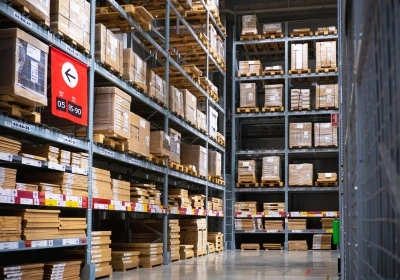
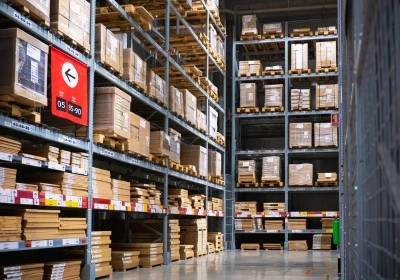
Fulfillment centers are equipped with warehouse infrastructure and technology to store inventory and execute orders efficiently. In today's business, fulfillment systems can also leverage warehouse management systems (WMS), automation and integrated order data to enhance inventory visibility and order accuracy.
The right fulfillment partner should thus be assessed as a component of your business, not merely a place to store inventory.
Key Factors to Consider When Choosing an Ecommerce Fulfillment Partner
- Understand Your Business and Fulfillment Requirements
When reaching out to fulfillment providers, have a clear understanding of your level of fulfillment needs and what you anticipate in the future.
Share relevant information such as:
The total number of products and SKUs.Total number of products and SKUs.
The dimensions and weight of the product.The size and weight of the product.
- Inventory levels
- Average and peak order volumes
- Order destinations
- Seasonal fluctuations
- Expected business growth
- Special handling or storage requirements
This information can help a fulfillment service know how much space, manpower, machines and capabilities are needed to accommodate your business.
Having a clear idea of what you need makes it easier to compare providers like-for-like.
- Perform Warehouse Location and Network assessment.
Your fulfillment center can have a direct impact on your delivery speed, transportation costs and customer satisfaction.
The first step is to know where your orders are focus. Having stock stored near customers who are primarily in a certain area can help reduce delivery distances and increase fulfillment performance.
A distributed fulfillment network can also help businesses that serve customers in several regions by strategically placing inventory in various facilities.
Choosing the nearest fulfillment center to your business is not the sole goal here, but finding the fulfillment coverage that is best suited for your customers.
- Check Scalability and Capacity
Your fulfillment partner ought to be able to scale with you.
Product launches, marketing campaigns, seasonal sales or overall business growth can cause order volumes to change. A provider that can support the current volume but doesn't perform well during peak times can soon become a pain point.
Inquire with prospective partners about:
- Available storage capacity
- Peak-season handling capabilities
- Workforce flexibility
- Processing capacity
- Ability to add storage locations
- Ability to support increasing order volumes
Ideally, your partner should offer enough flexibility so that you don't need to go through a complete change in your fulfillment processes when the business expands.
- Evaluate technology and system integration.
Technology is a critical element to ecommerce fulfillment today.
All your ecommerce systems, order management systems, stock management systems and fulfillment systems must play well together. Orders can be integrated to flow automatically to the fulfillment provider and inventory and order status is available.
When evaluating a provider, consider:
- WMS capabilities
- Ecommerce platform integrations
- Order data synchronization
- Inventory visibility
- Shipment tracking
- Reporting and analytics
- API or other integration capabilities
It's not about the amount of features technology has. Whether it increases visibility, accuracy, efficiency and control for your specific operation is what is important.
5. Evaluate Service Quality and Operational Performance
Measurable operational performance is the only way to gauge a fulfillment provider's capabilities.
Inquire about metrics used by prospective partners and how they measure service quality.
Relevant metrics may include:
- Order accuracy
- Inventory accuracy
- Order processing time
- On-time dispatch
- Receiving turnaround time
- Return processing time
- Customer issue resolution
Understanding how they manage high volume order and exception orders, damaged stock and unexpected business events is also helpful.
You should have clear expectations of the processes and performance standards that your fulfillment partner should follow and this should match your expectations for the customer.
6. See the bigger picture: the headline price.
While cost is a key factor, the lowest fulfillment price doesn't necessarily mean the lowest overall price.
When comparing providers, evaluate the complete cost structure, including:
- Storage charges
- Receiving fees
- Pick-and-pack charges
- Packaging costs
- Shipping charges
- Returns processing
- Technology or integration fees
- Additional handling charges
It's better to compare the overall cost of fulfillment against the level of service and capabilities offered.
7. Think Packaging & Brand Experience
Order picking is not the end of fulfillment. Packaging is also a part of customer experience.
If your brand relies on a distinctive unboxing experience, ask whether the fulfillment provider can support:
- Branded packaging
- Customized inserts
- Product-specific packaging
- Kitting or bundling
- Packaging material customization
Make sure you know what options are available for packaging and if there will be extra fees before signing a contract.
8. Ensure Product-Specific Capabilities and Compliance
Not all fulfilment centers can manage all sorts of products.
Depending on your inventory, you may require specialized capabilities such as:
- Temperature-controlled storage
- Heavy or oversized product handling
- Specialized storage infrastructure
- Additional product-handling controls
- Specific certifications or compliance requirements
Before signing up the provider, ensure they have the necessary infrastructure, processes and certifications for your products.
Questions to Ask Before Choosing a Fulfillment Partner
- Before signing an agreement, ask potential providers:
- Where are your fulfillment centers located?
- What order volumes can you currently support?
- How do you handle peak-season demand?
- Which ecommerce platforms and systems can you integrate with?
- How is inventory accuracy measured?
- What are your order processing and dispatch SLAs?
- What packaging and customization options are available?
- How are returns handled?
- What additional fees could apply?
- How easily can storage and fulfillment capacity be scaled?
The answers can reveal operational differences that may not be obvious from a pricing proposal or sales presentation.
Choosing a Fulfillment Partner for Long-Term Growth
Your ideal ecommerce fulfillment partner should be able to help your business right now and have the flexibility for the future.
When considering the provider, look at the entire fulfillment model: location, capacity, technology, service quality, product capabilities, pricing, packaging and scalability – not just the price or the size of the warehouse.
A robust fulfillment partnership can benefit ecommerce businesses by eliminating the need for constant investment in their logistics systems, streamlining operations and enhancing order fulfillment speeds and efficiency.
Conclusion
A decision made with respect to operational and strategic implications of ecommerce fulfillment partner. Your choice affects your inventory management efficiency, order processing time and customer satisfaction with timely deliveries.
Find out what fulfillment needs are for yourself and assess your potential fulfillment partners for their location, scalability, technology, service and quality, overall cost, packaging capabilities and product-specific needs.
The right partner should not simply fulfill today's orders. It should provide the infrastructure, flexibility and operational capabilities needed to support your ecommerce business as it grows.