
Running an e-commerce business becomes more complex as sales volume grows. Managing inventory, storage, order processing, packing, shipping, and returns can become difficult to handle entirely in-house. Businesses therefore outsource some processes to an ecommerce fulfillment partner.
A fulfillment partner works as an operational extension of the ecommerce business. It can receive and store inventory, manage stock, pick and pack orders, prepare shipments, and handle returns. This allows the business to focus on sales and growth while the fulfillment partner manages the storage, inventory management, and order fulfillment activities.
What Is a Fulfillment Partner?
A fulfillment partner is a third-party service provider that manages a business's order fulfillment operations.
Instead of building and operating the entire fulfillment infrastructure in-house, an ecommerce business can outsource these activities to a specialized partner. The partner stores inventory in its own fulfillment center or another agreed facility and manages the required warehouse operations on the business's behalf.
Key Services Offered by Fulfillment Partners
A fulfillment partner can provide different warehouse and logistics services depending on the business's requirements. Common services include:
1. Warehousing
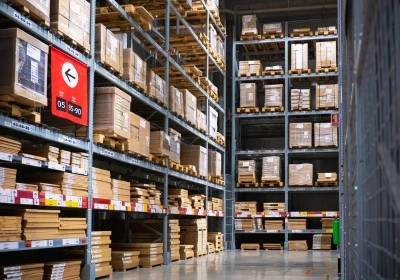
A fulfillment partner provides storage space and the infrastructure needed to handle inventory safely. Fulfillment partners use suitable storage locations, racking, material-handling equipment, inventory systems, and access controls to support daily warehouse operations.
Security measures vary by facility but include CCTV, access controls, and other monitoring systems. A WMS can also provide visibility into stock locations and warehouse activities.
2. Inventory Management
Inventory management starts when stock arrives at the fulfillment center. The warehouse team receives and checks the shipment, records the inventory, and assigns storage locations.
Fulfillment partners integrate their WMS or other inventory systems with an ecommerce platform or marketplace. This can synchronize stock and order information and reduce the risk of inventory mismatches.
3. Order Processing
When an order reaches the fulfillment operation, the system can route it to a suitable fulfillment location based on factors such as available inventory, customer destination, delivery requirements, warehouse capacity, and business rules.
The warehouse team then processes the order for picking and packing. The exact workflow depends on the ecommerce fulfillment setup and systems used by the business.
4. Shipping and Delivery
A fulfillment partner can schedule shipments through one or more transportation or courier providers. Available delivery options depend on the warehouse location, destination, carrier network, order cut-off time, product type, and selected service level.
The company also supports standard, expedited, or same-day/next-day delivery in selected service areas. Some providers also handle domestic and international shipments.
5. Reverse Logistics
A fulfillment partner can manage the physical handling of returned products after a return request is approved. The returned item is received at the facility and inspected according to the agreed return process.
The product is restocked, quarantined, refurbished, returned to the seller, or disposed of appropriately depending on its condition. This helps businesses bring eligible inventory back into live while keeping damaged or unsuitable products separate.
Why Ecommerce Businesses Need a Fulfillment Partner?
An ecommerce business can choose a fulfillment partner when its order volume, inventory requirements, or operational workload becomes difficult to manage in-house. The main advantages include:
1. Reduces Operational Complexity
Managing warehouse operations alongside sales, marketing, product development, and customer service can be difficult for an ecommerce business. A fulfillment partner takes responsibility for the warehouse and fulfillment activities. This allows the ecommerce business team to focus on its core operations.
2. Can Reduce Upfront Infrastructure Investment.
Running an in-house fulfillment operation requires warehouse space, equipment, staff, and tech capabilities. A fulfillment service provider gives businesses access to established infrastructure without requiring them to build the entire operation themselves.
Outsourcing does not reduce total fulfillment costs. The actual cost depends on storage volume, order volume, handling, packaging, shipping, returns, and additional services.
3. Provides Scalable Fulfillment Capacity
Ecommerce demand can change sharply during festive sales, promotions, and product launches. A fulfillment partner has scalable infrastructure that helps a business increase operational capacity during sales season without building permanent infrastructure for its highest annual demand.
This flexibility also helps growing brands expand their order volume without immediately setting up additional warehouse operations.
4. Supports a Better Customer Experience
Fulfillment directly affects the customer experience. Accurate orders, secure packaging, reliable dispatch, shipment tracking, and smooth returns all contribute to a better post-purchase customer experience.
Delivery speed also matters, but it depends on factors such as inventory location, carrier performance, order cut-off times, and the selected delivery service.
Factors To Consider When Choosing a Fulfillment Partner
Selecting the right fulfillment partner is essential for an e-commerce business because it directly affects supply chain efficiency and brand reputation.
The e-commerce business needs to consider several factors when choosing a fulfillment service provider.
1. Technology And Integration Capabilities
The fulfillment partner should leverage advanced technology, such as a WMS, IMS, and OMS. It should even seamlessly integrate with the e-commerce platforms.
2. Geographical Reach And Warehouse Locations
Evaluate whether the provider's warehouse locations can support your target customer regions and desired delivery timelines. It reduces shipping costs and delivers products to customers faster.
3. Pricing And Service Flexibility
A business can compare pricing models of various fulfillment partners and then select the one that provides good services at a reasonable cost. Businesses have to compare the complete cost structure, such as:
- Storage
- Receiving
- Pick & pack
- Packaging
- Shipping
- Returns
- Value-added services
Additionally, there should be no hidden charges when choosing a partner.
4. Experience And Industry Expertise
The fulfillment partner should have Experience with similar products
or industry of the business. The e-commerce business should thoroughly review and consider testimonials before selecting a provider.
5. Service Level Agreements
The fulfillment partner should provide service level agreements that clearly define the following:
- Inventory accuracy
- Order processing/dispatch timelines
- Damage/loss handling
- Escalation process
- Reporting frequency
Common Mistakes To Avoid With Fulfillment Partners
There are a few mistakes that an e-commerce business should avoid while selecting a fulfillment center service.
- Not Evaluating Integration Capabilities: Many fulfillment partners do not integrate seamlessly with the e-commerce platforms. Many businesses do not give importance to it when choosing, which leads to errors, overstocking, and out-of-stock issues.
- Ignoring Hidden Costs: Many businesses overlook hidden costs, such as storage and handling fees, when selecting a fulfillment partner. Businesses often end up paying more to the partners and reducing their profit margins. In short, an ecommerce business needs to review the complete cost structure, including seasonal surcharges and long-term costs.
- Overlooking Customer Service And Return Handling Processes: Returns management is a part of the e-commerce business. However, a fulfillment service provider cannot handle the return process seamlessly, which dissatisfies customers and decreases brand reputation in the market.
- Not Checking Performance Metrics: Many e-commerce businesses fail to track their fulfillment partners' performance regularly. If the fulfillment company makes a delay in delivering products, then it will result in dissatisfied customers.
Conclusion
A fulfillment partner can take over warehousing and fulfillment activities, helping ecommerce businesses scale without building the entire operation internally. The right partner should be selected based on technology integration, warehouse coverage, pricing transparency, operational capabilities, SLAs and experience with the business's products.