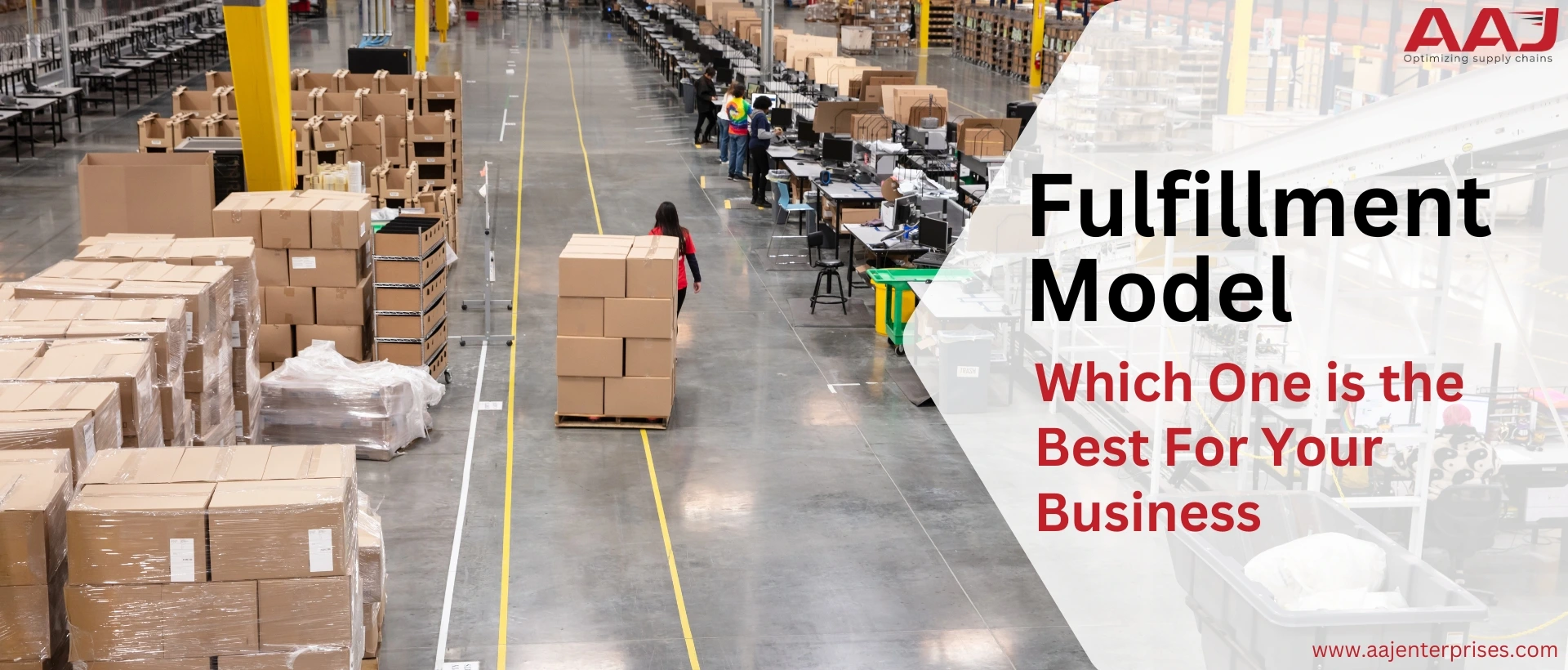


As order volumes grow, fulfillment becomes more than a warehouse task. Inventory has to be received and recorded correctly, orders need to move from sales channels into the warehouse, products have to be picked and packed accurately, and shipments must leave within the promised timeframe.
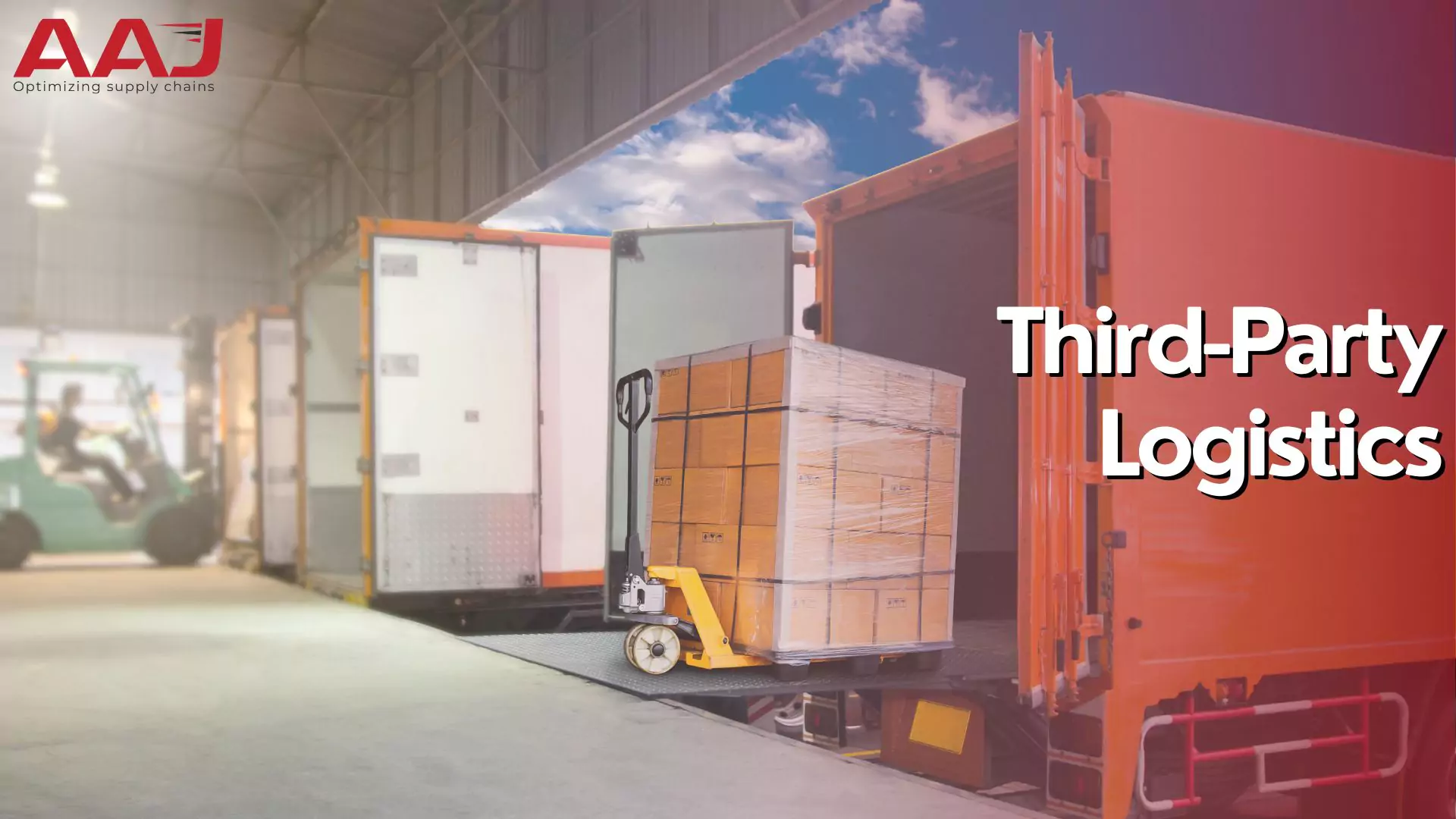
3PL fulfillment moves these operational activities to a third-party logistics provider. The brand retains ownership of its inventory and customer relationship while the 3PL manages the agreed warehouse and fulfillment operations.
For ecommerce businesses in particular, the scale of the operation is significant. India’s e-commerce logistics shipments reached an estimated 6.8–7.4 billion shipments in FY2025, growing at a 34–36% CAGR from FY2020 to FY2025.
That level of shipment growth puts more pressure on warehouse capacity, inventory accuracy, order processing and fulfillment costs — which is why the choice of fulfillment model matters.
3PL Fulfillment in Simple Terms
3PL fulfillment is the outsourcing of inventory storage and order fulfillment operations to a third-party logistics provider.
The basic flow is:
Brand → 3PL Fulfillment Center → Customer
The brand owns the inventory and receives orders through its website, marketplace or other sales channels. The 3PL company stores the products, processes orders, picks and packs the required items, and prepares them for dispatch.
The scope can extend beyond standard pick-and-pack. A fulfillment agreement also includes inbound receiving, inventory management, kitting, packaging, transportation coordination, returns processing and other value-added services.
For a broader explanation of the 3PL model, services, benefits and how to evaluate a provider, see our [Third-Party Logistics (3PL) guide].
What Does a 3PL Actually Handle?
A 3PL fulfillment operation covers the physical and system-driven work required to move inventory through the warehouse and turn orders into shipments.
The responsibilities generally fall into three stages.
Before an Order
The 3PL prepares inventory for fulfillment and maintains the warehouse records required to pick orders accurately.
- Inbound receiving: Receives incoming inventory and checks quantities and product details.
- Put-away: Assigns products to designated storage locations.
- Inventory storage: Keeps products organized and accessible within the warehouse.
- Inventory tracking: Records stock movements and current inventory levels.
- SKU and location management: Maintains product and storage-location records for accurate picking and stock control.
When an Order Arrives
Once an order reaches the 3PL through the connected sales channel, the warehouse executes the fulfillment workflow.
- Order import and integration: Receives order information through connected systems.
- Order validation: Checks order details before fulfillment.
- Picking: Selects the correct products and quantities.
- Packing: Packs the order according to product and shipping requirements.
- Shipping preparation: Prepares labels, documentation and shipments for carrier handoff.
After Dispatch
Fulfillment does not necessarily end when the shipment leaves the warehouse. The 3PL can continue supporting the order through post-dispatch activities included in the service agreement.
- Shipment handoff: Coordinates the transfer of packed orders to the carrier.
- Tracking updates: Shares shipment and delivery information with the business.
- Exception handling: Manages failed delivery attempts, address problems and shipment discrepancies.
- Returns processing: Receives and processes returned products when reverse logistics is included.
- Inventory reconciliation: Updates stock records after fulfillment, returns and other inventory movements.
The key distinction is simple: a 3PL fulfillment provider is not just renting warehouse space. It operates a defined set of inventory, order and fulfillment processes on behalf of the business.
How 3PL Fulfillment Connects Inventory, Orders and Shipping
A fulfillment operation only works properly when sales channels, inventory records and warehouse execution stay connected.
A typical information flow looks like this:
Sales Channel / Marketplace / OMS / ERP
↓
3PL / WMS
↓
Inventory Allocation + Warehouse Execution
↓
Pick & Pack
↓
Carrier
↓
Tracking + Order Status
When a customer places an order, the order details move from the website, marketplace or connected system into the 3PL's WMS. Available inventory is checked, the order is released for fulfillment, and warehouse staff pick and pack the required products.
After dispatch, shipment and tracking information moves back through the connected systems. Inventory is also updated as stock is allocated, picked, shipped, returned or adjusted.
This becomes especially important for brands selling across multiple channels. Without synchronized inventory and order information, the same stock can be committed to different channels, creating overselling, stock discrepancies and delayed fulfillment.
What Types of Orders Can a 3PL Fulfill?
3PL fulfillment is not limited to standard single-item ecommerce fulfillment orders. The warehouse process changes with the order type, product mix and customer requirement.
D2C and Ecommerce Orders
These are individual customer orders placed through a brand's website or ecommerce store.
The warehouse picks the required SKU or SKUs, packs the order and prepares it for carrier handoff. Order accuracy and processing speed matter because each order moves directly to an individual customer.
B2B Orders
B2B fulfillment covers retailers, distributors, corporate customers and other business buyers.
Orders often involve cartons, cases, pallets or multiple SKUs. B2B Fulfillment includes bulk picking, specific packaging, shipment documentation and delivery requirements defined by the receiving business.
Marketplace Orders
Marketplace orders come through platforms such as Amazon, Flipkart and other ecommerce marketplaces.
The fulfillment operation needs to receive marketplace orders correctly and follow the applicable packaging, labeling, dispatch and status-update requirements.
Omnichannel Orders
Omnichannel fulfillment uses shared inventory across multiple sales channels, including a brand website, marketplaces, retail stores and B2B channels.
The operational challenge is inventory allocation. Available stock needs to remain visible across channels so that committed inventory is not sold twice.
Subscription and Kitting Orders
Subscription orders follow recurring schedules, while kitting orders combine multiple products or components into a predefined package.
These operations includes bundling, labeling, inserts, custom packaging or pre-assembly before dispatch.
The fulfillment setup needs to match the actual order volume, SKU mix, channel structure, packaging requirements and delivery destinations rather than relying on a standard warehouse process.
What Does 3PL Fulfillment Cost?
3PL fulfillment usually involves several charges rather than one fixed per-order fee.
A typical cost structure looks like this:
Inbound Handling → Storage → Pick & Pack → Packaging → Shipping → Returns → Value-Added Services
Inbound handling covers receiving and processing inventory. Storage charges reflect the space or inventory used. Pick-and-pack charges cover order preparation, while shipping costs reflect factors such as weight, dimensions, destination and carrier.
Returns and value-added services add separate costs when they form part of the operating model. These services include kitting, bundling, labeling, repackaging and additional product handling.
What Affects 3PL Fulfillment Costs?
Two brands with the same monthly order volume can have very different fulfillment costs because the work behind each order is different.
The main cost drivers are:
- Number of orders: Volume affects warehouse workload and pricing tiers.
- Units per order: Multi-unit orders require additional picking and handling.
- SKU count: A wider catalog increases storage and inventory-management complexity.
- Inventory volume: More stock requires more storage capacity.
- Product size and weight: Larger products consume more warehouse space and increase handling and transportation costs.
- Order complexity: Bundles, multi-SKU orders and customized workflows require additional warehouse activity.
- Packaging requirements: Branded boxes, inserts, protective materials and special packaging add handling and material costs.
- Returns: Returned products create receiving, inspection, restocking and disposition work.
- Value-added services: Kitting, labeling, bundling and repackaging add operational charges.
- Shipping destinations: Customer geography affects transportation costs and the fulfillment network required to serve those orders.
When comparing providers, do not compare only the advertised per-order rate.
Ask for the complete commercial structure covering storage, inbound handling, fulfillment, packaging, shipping, returns and additional services. Then calculate the expected monthly cost using your actual order profile.
A Practical Way to Compare 3PL Quotes
Use your own operating data rather than a generic rate card.
For example:
Monthly Fulfillment Cost = Storage + Inbound + Pick & Pack + Packaging + Shipping + Returns + Value-Added Services
Then compare that total against your current in-house fulfillment cost, including warehouse rent, labor, equipment, software, utilities, supervision and peak-season capacity.
This gives you a more useful comparison than looking at the pick-and-pack rate alone.
What Should You Measure in 3PL Fulfillment?
Once fulfillment is outsourced, the operation needs measurable performance standards.
Shipping more orders does not automatically mean fulfillment is performing well. The useful KPIs cover inventory accuracy, processing speed, order accuracy, dispatch reliability and returns handling.
Order Accuracy
Measures whether customers receive the correct products and quantities.
A declining accuracy rate points toward issues in picking, packing, order processing or inventory records.
Inventory Accuracy
Compares system stock with physical inventory.
Strong inventory accuracy prevents overselling, stockouts and fulfillment delays.
Order Processing Time
Measures the time between order receipt and readiness for dispatch.
Tracking this metric reveals delays inside the fulfillment operation before they become customer-facing delivery problems.
Receiving Turnaround
Measures how quickly incoming inventory is checked, recorded and made available for fulfillment.
Slow receiving creates a common operational blind spot: products are physically present in the warehouse but unavailable as sellable inventory in the system.
Pick and Pack Accuracy
Tracks whether the correct products are picked and packed according to the order and agreed packaging requirements.
This metric helps separate warehouse execution errors from carrier or last-mile issues.
Dispatch Performance
Measures whether orders are handed to the carrier within the agreed processing window.
Track it against defined cut-off times and SLA commitments.
Return Processing Time
For businesses outsourcing returns, measure the time taken to receive, inspect and assign returned products to their next inventory status.
Fast return processing gets sellable inventory back into circulation sooner.
For businesses dealing with significant returns volume, see our [Reverse Logistics guide] to understand how returned products move through inspection, restocking, refurbishment and disposal.
Inventory Discrepancy Rate
Tracks differences between recorded and physical inventory.
Review discrepancies by SKU, location and transaction type to identify recurring problems in receiving, picking, returns or stock adjustments.
These KPIs need to be reviewed against the SLAs agreed with the 3PL provider. Trend analysis matters too. One isolated picking error is different from a steady decline in order accuracy over several months.
When Does 3PL Fulfillment Make Sense?
3PL fulfillment becomes useful when the internal operation starts limiting growth, consuming management time or requiring infrastructure that no longer makes economic sense to maintain internally.
The decision usually comes down to five questions:
- Is the existing warehouse running out of capacity?
- Is fulfillment taking too much internal manpower?
- Are order volumes becoming difficult to process consistently?
- Are multiple sales channels creating inventory and order-management complexity?
- Would building additional fulfillment infrastructure cost more than outsourcing it?
Fulfillment Is Becoming Difficult to Manage Internally
When warehouse teams spend too much time on receiving, inventory handling, picking, packing and dispatch, fulfillment starts competing with the business's other priorities.
A 3PL takes over the agreed operational workload and provides the warehouse processes, staff and infrastructure required to run it.
Order Volume Has Grown
Higher order volumes require more storage, labor, picking capacity and dispatch capacity.
A 3PL provides additional fulfillment capacity without forcing the business to expand its own warehouse operation at the same pace.
Warehouse Capacity Is Constrained
When existing storage is full, adding another facility introduces rent, equipment, staffing and management requirements.
A 3PL provides warehouse space within an existing fulfillment network, allowing the business to add capacity without operating another facility itself.
Multiple Sales Channels Need Centralized Fulfillment
A business selling through its website, marketplaces, retail stores and B2B channels needs one reliable view of inventory and one controlled fulfillment process.
A connected 3PL operation brings those orders into a structured warehouse workflow while maintaining channel-level inventory visibility.
The Business Is Entering New Markets
Expanding into new regions creates a distribution question: where should inventory sit to serve those customers efficiently?
A 3PL with strategically located facilities lets the business position inventory closer to demand without establishing a new warehouse operation from scratch.
Seasonal Demand Creates Capacity Problems
Festive sales, product launches and major campaigns can push order volumes far beyond normal operating levels.
A 3PL with planned peak capacity provides the additional warehouse space, labor and processing capability required during these periods.
The Business Does Not Want to Build Fulfillment Infrastructure
Running fulfillment internally means managing warehouse space, equipment, employees, WMS processes, SOPs, capacity planning and day-to-day supervision.
Outsourcing moves those responsibilities into the 3PL operating model, allowing the business to focus internal resources on product, sales, marketing and growth.
When 3PL Fulfillment May Not Be the Right Fit
Outsourcing is not automatically the better model.
Keeping fulfillment in-house can make sense when:
- Order volume is very low and predictable, making the operation simple to manage.
- Products require highly specialized handling that available 3PL facilities do not support.
- An existing fulfillment operation is already efficient, with suitable infrastructure, systems and staff.
- The business requires unusually high operational control, making an outsourced operating model difficult to align with its requirements.
The decision needs to come down to total cost, operational complexity, required control and future growth rather than the warehouse rate alone.
3PL Fulfillment vs In-House Fulfillment: The Cost and Control Trade-Off
The broader differences between 3PL and in-house logistics are covered in our [Third-Party Logistics guide]. For fulfillment specifically, the more useful comparison is the operational trade-off.
| Fulfillment factor | In-house fulfillment | 3PL fulfillment |
|---|---|---|
Warehouse capacity | Business funds and manages its own space | Capacity comes through the provider |
Labor | Business recruits and manages fulfillment staff | Provider manages warehouse workforce |
Peak capacity | Business plans and funds additional capacity | Provider handles agreed peak requirements |
Cost structure | More fixed operating costs | More service-based operating costs |
Operational control | Direct control over warehouse activity | Control through processes and SLAs |
Scaling | Requires internal infrastructure expansion | Capacity can be added through the provider |
Technology | Business implements and maintains systems | Provider supplies its fulfillment technology stack |
Management effort | Internal teams manage daily operations | Provider manages agreed fulfillment activities |
The important question is not whether 3PL or in-house fulfillment is universally better.
It is whether the business gains enough capacity, execution discipline and operating flexibility from outsourcing to justify the commercial cost and reduced direct control.
Common 3PL Fulfillment Issues to Watch For
Outsourcing fulfillment does not remove operational problems. It changes who manages them.
The areas below deserve regular review because they directly affect inventory, orders, costs and customer experience.
Inventory Discrepancies
System inventory needs to match physical stock.
Receiving errors, incorrect stock movements, picking mistakes, unrecorded returns and manual adjustments can create discrepancies. These differences lead to overselling, stockouts and unreliable inventory reporting.
Order Synchronization Errors
Orders and inventory data often move between ecommerce platforms, marketplaces, ERP systems and the 3PL's WMS.
Failed, delayed or duplicate updates can leave orders or stock in the wrong status, causing fulfillment delays.
Picking and Packing Errors
The wrong SKU, variant or quantity creates an incorrect shipment.
The result is more than a customer complaint. It also creates replacement, reverse logistics and reprocessing costs.
Delayed Order Processing
Orders can get stuck between order receipt, picking, packing and dispatch.
Track each stage against the agreed cut-off times and SLAs instead of measuring only final delivery performance.
Poor Inventory Visibility
Delayed inventory updates or disconnected systems make it difficult to distinguish available, allocated, returned and damaged stock.
The problem becomes more serious when inventory is shared across several sales channels.
Returns Backlog
Returned products need to be received, inspected and assigned the correct inventory status.
When returns sit unprocessed, sellable stock remains unavailable and return-related handling costs continue to accumulate.
Inadequate Peak Capacity
A fulfillment operation that performs well during normal demand can break down during festivals, promotions or major product launches.
Review warehouse space, labor availability, processing capacity and peak-season plans before the high-volume period begins.
Unclear Billing
Fulfillment invoices often contain separate charges for storage, inbound handling, pick and pack, packaging, shipping, returns and value-added services.
If the commercial structure is unclear, finance teams struggle to reconcile invoices with actual fulfillment activity.
Regular KPI reviews, inventory reconciliation and clear SLAs give both sides a structured way to identify and resolve these issues.
What to Look for in a 3PL Fulfillment Provider
The provider evaluation should start with your operating requirements rather than the provider's warehouse size.
Review:
- Fulfillment accuracy: Ask for order accuracy and inventory accuracy benchmarks.
- Warehouse capacity: Check current capacity and how peak requirements are handled.
- Technology integration: Confirm compatibility with your ecommerce platforms, marketplaces, ERP and other systems.
- SLA structure: Define receiving, processing, dispatch and inventory-performance expectations.
- Pricing transparency: Understand every recurring and transaction-based charge.
- Returns capability: Check how returned inventory is inspected, graded and reconciled.
- Geographic coverage: Match warehouse locations with your customer and inventory distribution.
- Scalability: Understand how capacity, manpower and warehouse operations expand as order volumes increase.
- Reporting: Review the dashboards and operational data available to your team.
For a growing ecommerce or omnichannel brand, the right provider is not simply the one offering the lowest fulfillment rate. It is the one whose processes, technology, capacity and commercial model fit the way your business actually operates.
How AAJ Supply Chain Management Supports 3PL Fulfillment
AAJ Supply Chain Management provides warehousing, fulfillment and transportation infrastructure for brands scaling across India.
Its fulfillment operations combine warehouse execution with integrated WMS, TMS and RMS, supporting inventory visibility, order processing, dispatch tracking and returns management. AAJ currently reports 99% order accuracy, 8.5 crore quantities dispatched annually, 5 lakh SKUs in inventory and 20,000+ pincodes served across its operations.
The model covers more than storage and pick-and-pack. AAJ supports B2C and B2B fulfillment, omnichannel order processing, transportation, same- and next-day delivery, value-added services and returns management.
For brands evaluating a fulfillment partner, the useful next step is to compare your current order volumes, SKU profile, warehouse requirements, service levels and fulfillment costs against the operating model a 3PL can provide.
Talk to AAJ Supply Chain Management about your fulfillment requirements and get a tailored proposal for your operation.
Conclusion
3PL fulfillment connects inventory, warehouse operations, order processing and shipping into one managed fulfillment workflow. For growing businesses, the decision is less about simply finding warehouse space and more about building an operation that maintains accuracy, capacity and service levels as order volumes change.
Before choosing a provider, compare the complete fulfillment cost, warehouse capabilities, technology integrations, KPIs, SLAs, returns process and capacity for future growth.
If you are evaluating 3PL fulfillment for your business, AAJ Supply Chain Management can help you assess the operating requirements and build a fulfillment model around your order profile and growth plans.
Talk to AAJ to discuss your fulfillment requirements and get a tailored proposal.
Frequently Asked Questions About 3PL Fulfillment
There is no single 3PL fulfillment rate that applies to every business. Total cost usually includes storage, inbound handling, pick and pack, packaging, shipping, returns and value-added services. Order volume, SKU count, product dimensions, inventory levels and shipping destinations also affect the final cost.